Trending
FSSAI seizes and dumps 1,600 kg of toxic pickles: How to stay safe from chemicals in store-bought jars
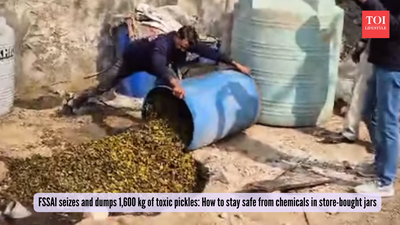
A recent large-scale seizure of over 1,600 kg of unsafe pickles, along with ghee and jaggery, in Rajasthan highlights the critical need for food safety. This incident, part of a nationwide crackdown by FSSAI, serves as a stark reminder to consumers to be vigilant about the purity of their food, especially popular items like pickles.
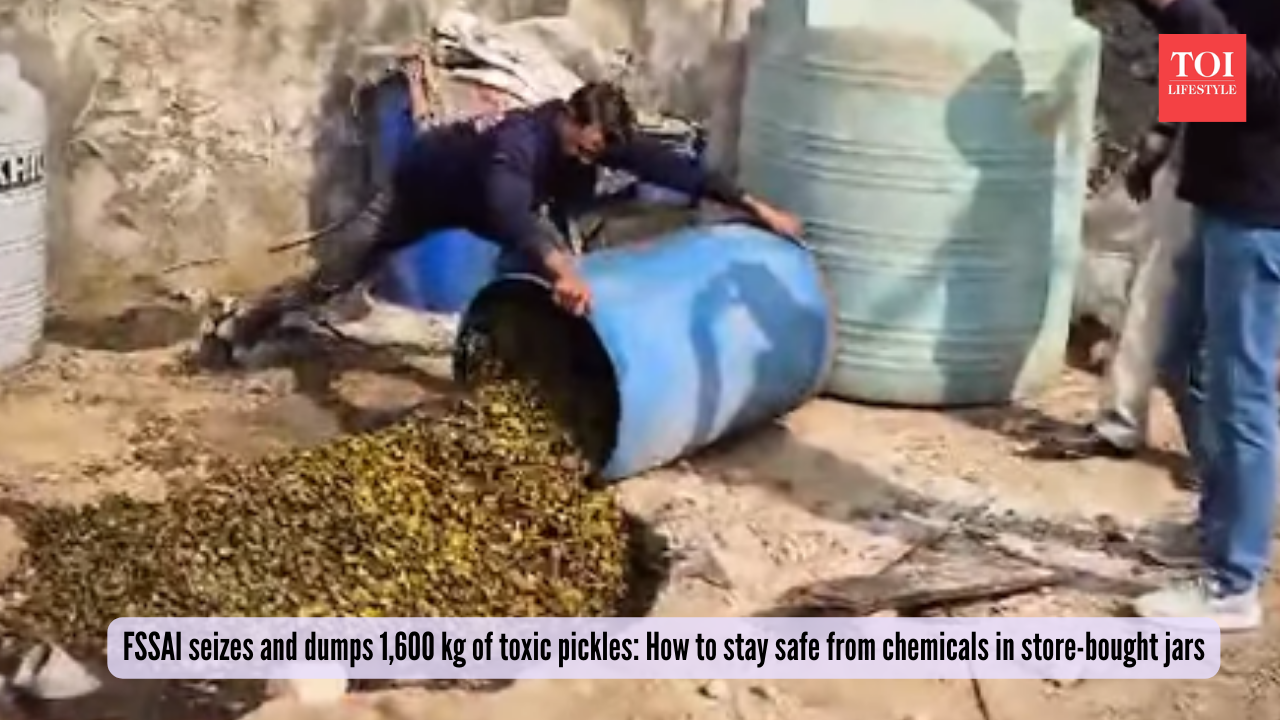
FSSAI seizes and dumps 1,600 kg of toxic pickles: How to stay safe from chemicals in store-bought jars
But what if that tangy bite hides something unsafe?
The big viral Rajasthan pickles and ghee bust
Why are pickles an important part of Indian kitchens
Smart tips for consuming market-based pickles safely
- Go for authentic ones only: Look for brands with cold-pressed sesame oil, natural spices like mustard and fenugreek, and fresh local produce for any type - mango, lemon, chilli, whatever.
- Label scan is a must: Try to look at the manufacturing date, expiry, ingredients, oil, and salt levels. Prefer if it’s homemade-style.
- Making method matters: Good-quality pickles are mostly sun-dried and ferment naturally for maximum flavour and nutrition. One must try avoiding those that are made using pressure cooking or chemicals.
- Ditch fake ones: Mustard oil, vinegar, or salt preserve best naturally. Even though non-synthetic ones have a shorter shelf life, they are tastier, healthier bites.
- Packaging should be correct: Look for leak-proof jars or pouches with tamper-proof seals, full ingredient lists, dates, and storage tips.
End of Article
Follow Us On Social Media
Tired of too many ads?go ad free now
lifestyle videos
Featured In Lifestyle

Tired of too many ads?go ad free now



Hot on the Web
Hindi Movies 2026Thyroid SymptomsKhushi MukherjeeAkshaye KhannaBorder 2 TrailerHappy Patel First ReviewJana NayaganDhurandharCountries With Most VegetariansBaby NamesSteamed Breakfast DishesMicheal JacksonParasakthi CollectionSnake Plant BenefitsBigg Boss Marathi Contestants ListDhanushMary KomAmitabh BachchanZendayaBhuvan BamMarcus AureliusJana Nayagan Movie HearingThe Raja Saab Box Office CollectionKaran JoharGurmeet ChoudharyDhurandhar Movie CollectionAR RahmanMana ShankaraVaraprasad Garu CollectionDhurandhar Movie ReviewAristotleWilliam ShakespeareWorld Most Famous Winter FestivalWorld Largest Beaver DamWorld's Only Floating National ParkTiny Ancient CreatureLongest Venomous King CobraNorthern LightsRichest Men In The WorldApple iPhone 17Veg LaphingFirst Medical Evacuation From ISS
Trending Topics
Latest MoviesBollywood MoviesHollywood MoviesTamil Movies 2026Telugu Movies 2026Malayalam Movies 2026Kannada MoviesMarathi MoviesBengali Movies 2026Top Rated Movies 2026Best Hindi MoviesBest English MoviesBest Telugu MoviesBest Tamil MoviesBest Malayalam MoviesBest Kannada MoviesBest Bengali MoviesUpcoming Hindi MoviesBest Movies Of All TimeBest Hindi Movies of All TimeLatest English MoviesLatest Malayalam MoviesEnglish TV NewsTamil TV NewsTelugu TV NewsMalayalam TV NewsKannada TV NewsMovie ReviewsBhojpuri Cinema NewsGujarati Cinema News
Popular Categories
Viral NewsK Pop NewsWeb Series NewsAnime NewsUpcoming English MoviesUpcoming Tamil MoviesUpcoming Telugu MoviesUpcoming Malayalam MoviesUpcoming Kannada MoviesFashion TipsTravel NewsEntertainment NewsBollywood NewsTollywood NewsKollywood NewsMollywood NewsFood NewsLatest Hindi MoviesLatest Tamil MoviesParenting TipsHome RemediesWeight LossBeauty TipsParenting TipsHindi VideosHindi Video SongsBhojpuri Music VideosLatest Telugu MoviesBhojpuri Music VideoHindi TV News
Latest News
Urvashi's daughter meets Kamal Haasan; recalls how superstar ‘babysat’ her on set - See PICSiQoo Z11 Turbo smartphon with 200MP camera, 7,600 mAh battery launchedUnion Budget 2026: What corporate India wants from direct tax reformsIndia’s silent Vitamin B12 deficiency crisis: Doctor explains why so many feel unwell without knowing whyCash recovery row: Supreme Court junks Justice Yashwant Verma's plea; inquiry panel to proceedBMC polls 2026: Who is Asha Deepak Kale? First Congress candidate to win from Dharavi Ward 183; Ashraf Azmi takes Kurla WestHow to protect your rose plants in winter and prevent cold-weather damageGaurav Khanna throws a grand birthday bash for wife Akanksha Chamola; Ashnoor Kaur, Awez Darbar and others dance their hearts out<b>Chinese universities surge in global rankings as US schools slip</b>Shreyas Talpade REACTS to rumors of him entering 'Bigg Boss Marathi Season 6'; says, 'I dislike these cheap tactics'IMF to assess economic damage in Sri Lanka post Cyclone Ditwah‘Despite OTT and short formats, TV still commands a massive audience’Dhanush as a family man: A look at the Kara actor's thoughtful and modern parenting styleNick Reiner changed his medication a month prior to Rob and Michele Reiner’s demise - Report'Dhurandhar' star Ranveer Singh convinced 'Lokah' actress Kalyani Priyadarshan to say YES to ‘Pralay’ as female lead - ReportsRani Mukerji is overwhelmed by fans response on 'Mardaani 3' trailer: 'We as a country, have a strong conscience'From CCU to Texas: Making of Aloka, the viral starThere is no perfect race: Andre De Grasse