Trending
Did you know ancient Arctic hunters invented the first ‘sunglasses’ out of ivory over 2,000 years ago?
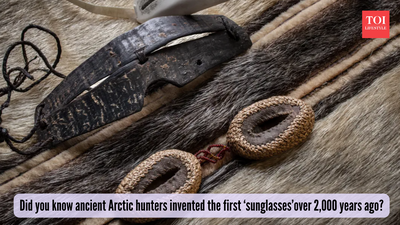
Indigenous Arctic peoples, including the Inuit and Inupiaq, ingeniously crafted snow goggles from bone, wood, and ivory thousands of years ago. These ancient devices, featuring tight slits, effectively reduced glare and protected eyes from snow blindness, predating modern sunglasses by millennia and demonstrating remarkable adaptation to harsh environments.
Greenland's inuits were among indigenous who built the first 'sunglass' Photo: Smithsonian Magazine/ Larry McNeil
Indigenous people from Greenland and Alaska built the first glasses!
Pinhole magic improves sight

Representative Image
These glasses were made with unique substances
Facing new threats today
End of Article
Follow Us On Social Media
Tired of too many ads?go ad free now
lifestyle videos
Featured In Lifestyle

Tired of too many ads?go ad free now

Hot on the Web
Amitabh BachchanBhushan KumarAamir KhanSuniel ShettyJana NayaganPriyanka ChopraShah Rukh KhanFake Sweet PotatoRanveer SinghVaranasiSuniel ShettyKamal Roy Death NewsCountries With Govt. DebtBaby NamesF Scott FitzgeraldTom CruiseUS VisaBaba Vanga Prediction 2026Ram Gopal VarmaVicky KaushalSenecaSnake EggsSara ArjunThe 50 Contestants ListThe Raja Saab Box Office CollectionDhurandhar Movie CollectionRam Gopal VarmaSunita Williams NicknamesDhurandhar Movie ReviewParentingWilliam ShakespeareRiver That Flows BackwardsWorld Largest Beaver DamSnake Plant BenefitsQuote Of The Day By Thomas A EdisonLongest Venomous King CobraMoon LakeLara TrumpBaby Dinosaur Fossils Found in ArcticApple Service OutageDavos 2026
Trending Topics
Latest MoviesBollywood MoviesHollywood MoviesTamil Movies 2026Telugu Movies 2026Malayalam Movies 2026Kannada MoviesMarathi MoviesBengali Movies 2026Top Rated Movies 2026Best Hindi MoviesBest English MoviesBest Telugu MoviesBest Tamil MoviesBest Malayalam MoviesBest Kannada MoviesBest Bengali MoviesUpcoming Hindi MoviesBest Movies Of All TimeBest Hindi Movies of All TimeLatest English MoviesLatest Malayalam MoviesEnglish TV NewsTamil TV NewsTelugu TV NewsMalayalam TV NewsKannada TV NewsMovie ReviewsBhojpuri Cinema NewsGujarati Cinema News
Popular Categories
Viral NewsK Pop NewsWeb Series NewsAnime NewsUpcoming English MoviesUpcoming Tamil MoviesUpcoming Telugu MoviesUpcoming Malayalam MoviesUpcoming Kannada MoviesFashion TipsTravel NewsEntertainment NewsBollywood NewsTollywood NewsKollywood NewsMollywood NewsFood NewsLatest Hindi MoviesLatest Tamil MoviesParenting TipsHome RemediesWeight LossBeauty TipsParenting TipsHindi VideosHindi Video SongsBhojpuri Music VideosLatest Telugu MoviesBhojpuri Music VideoHindi TV News
Latest News
Nostalgia night dazzles with Kathak sufi!Moon Phase Today (January 23, 2026): Vasant Panchami brings Divine Knowledge for These Zodiac SignsSagar Cements partners Sow & Reap for biochar & gasification units at cement plants‘Can’t negotiate sovereignty’: Denmark PM calls for 'constructive' US-Nato dialogue over Greenland; wants 'respect for territorial integrity'Music as offering: Tala Prattoy’s global tribute to Goddess SaraswatiMen's tennis leans on 38-year-old Novak Djokovic as Jannik Sinner–Carlos Alcaraz era tightens its gripTaurus Horoscope Tomorrow, January 23, 2026: A new route is appearing where there was none; take it nowHoroscope Tomorrow, January 23, 2026: Your zodiac insights awaitRailway Budget 2026: From Vande Bharat to Kavach - what a decade of railway capex push has deliveredDhol dhamaal at Lohri bashMaverick Macron: How French President's 'Top Gun' sunglasses stole the show at DavosZohran Mamdani administration: Who is evironmental protection chief Indian-origin Rohit Aggarwala and why did he step down?Union Budget vs Interim Budget: Key differences – explainedKalidas Jayaram begins filming for ‘Many Many Happy Returns’Trump unveils 'Board of Peace': India absent from stage; Pakistan's Shahbaz Sharif joins US PresidentFormer India defender Ilyas Pasha dead, AIFF, East Bengal condole‘What heart attack taught me about listening to my body’s signals’Union Budget 2026: What tech and gaming industries expect from FM Nirmala Sitharaman’s 9th budget