Trending
Dead but deadly: THESE snakes can still bite hours after death, says study

A recent study in Assam reveals that venomous snakes like monocled cobras and black kraits can still deliver venomous bites hours after death. The nervous system remains active post-mortem, enabling reflex actions. Several cases document individuals bitten by dead snakes, experiencing severe symptoms and requiring antivenom treatment, highlighting a previously underestimated danger.
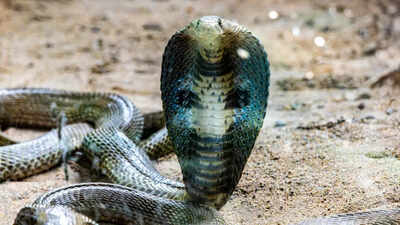
Venomous snakes aren’t just dangerous when they’re alive!
The study also included several real-life cases from Assam
First case
Second case

Third case
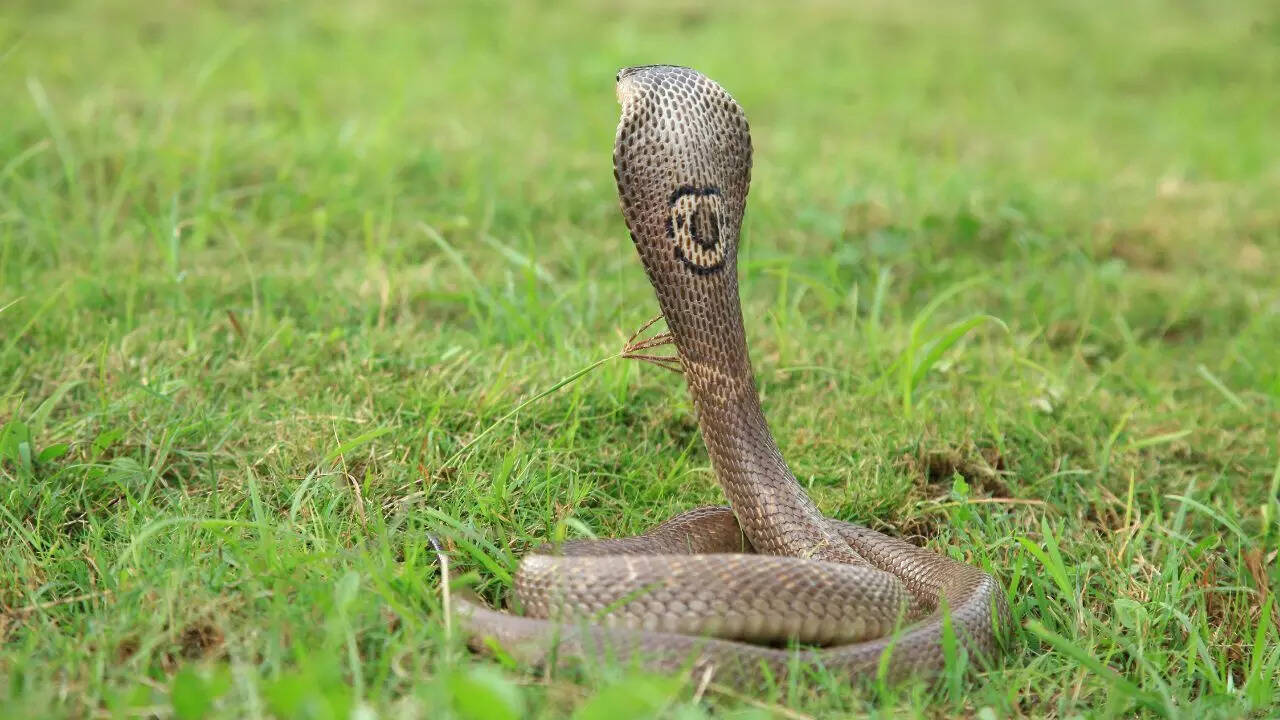
Why does this happen?
End of Article
Follow Us On Social Media
Visual Stories










Photostories
Tired of too many ads?go ad free now
lifestyle videos
Featured In Lifestyle

Tired of too many ads?go ad free now
Hot on the Web
Pest Control TipsColourful LizardsStatin Side EffectsCancer RisksSkincare RoutineBlood Sugar ControlVishal Engagement NewsParam Sundari ReviewParam Sundari First ReviewAmitabh BachchanMahavatar NarsimhaGlucose ChecksHema MaliniSai DhanshikaMagnesium DeficiencyProstate Cancer SymptomsLokah Chapter 1: Chandra Twitter ReviewParam Sundari Box Office CollectionBigg Boss 19Bigg Boss 19 Contestants ListDipika KakarUnique Tail AnimalsParam Sundari Movie ReviewClove TeaLow CholesterolKing CobraBaby Girl NamesWar 2 Box Office CollectionCoolie Movie ReviewCoolie Box Office CollectionStomach Cancer WarningDiabetic Shock SignsWorld Oldest WomanJamun For DiabetesCarly PearceTips To Prevent RabiesSkincare HabitsFatty Liver SymptomsKidney Damage SymptomsDragon SnakeFood For Better Gut Health
Trending Topics
Latest MoviesBollywood MoviesHollywood MoviesTamil Movies 2025Telugu Movies 2025Malayalam Movies 2025Kannada Movies 2025Marathi Movies 2025Bengali Movies 2025Top Rated Movies 2025Best Hindi MoviesBest English MoviesBest Telugu MoviesBest Tamil MoviesBest Malayalam MoviesBest Kannada MoviesBest Bengali MoviesUpcoming Hindi MoviesBest Movies Of All TimeBest Hindi Movies of All TimeLatest English MoviesLatest Malayalam MoviesEnglish TV NewsTamil TV NewsTelugu TV NewsMalayalam TV NewsKannada TV NewsMovie ReviewsBhojpuri Cinema NewsGujarati Cinema News
Popular Categories
Viral NewsK Pop NewsWeb Series NewsAnime NewsUpcoming English MoviesUpcoming Tamil MoviesUpcoming Telugu MoviesUpcoming Malayalam MoviesUpcoming Kannada MoviesFashion TipsTravel NewsEntertainment NewsBollywood NewsTollywood NewsKollywood NewsMollywood NewsFood NewsLatest Hindi MoviesLatest Tamil MoviesParenting TipsHome RemediesWeight LossBeauty TipsParenting TipsHindi VideosHindi Video SongsBhojpuri Music VideosLatest Telugu MoviesBhojpuri Music VideoHindi TV News
Latest News
When helping Black students becomes ‘illegal D.E.I.’ under Trump: Here’s why schools are under fireNHL expert ranks Connor McDavid above Nathan MacKinnon, gives credit to his playoff magicYo Yo Honey Singh CANCELS Mohali performance after security dispute with organizers - ReportKiwi vs Papaya: Which superfruit naturally boosts platelet count faster and strengthens immunity during viral infectionsRussia-Ukraine war: UNSC to hold urgent meeting after Moscow's big strike; Kyiv seeks increased pressureArjun Tendulkar, Saaniya Chandhok attend family function; Sachin pens emotional tribute - 'You're a blessing''Deeply troubled': AJC slams Peter Navarro's 'Modi's war' remark; calls for reset of vital India-US tiesSambhal report: Yogi says files reveal how conspiracy unfolded; minister flags 'demographic shift'CDC in revolt: Director fired, leaders escorted out; staff ‘clap out’ in defiance of Kennedy’s shake-upDilip’s antics add fun to Sunita Ahuja's ‘Aunty Kisko Bola?''; tries selling Farah Khan’s iPhone for ₹6,000, bolts after hearing its real price“Kind of crazy”: Commanders QB Jayden Daniels reacts as Washington fan names baby after him just days before Week 1 Giants clashItti Si Khushi’s Sumbul Touqeer Khan on her role as Anvita; says ‘In real life too, I have faced situations where I had to stay strong for my loved ones’What is Bronco Test: Team India’s new fitness benchmark for players'Hate remarks': BJP slams Mahua Moitra's shocking comment on Amit Shah; police complaint filedKareena Kapoor Khan's dietician Rujuta Diwekar says 'modaks are already healthy' as she urges people to not replace jaggery with stevia: 'They only get yucky'Forex watch: Reserves fall $4.38 bn to $690.72 bn, FCA and gold drag holdingsShubman Gill to reach Bengaluru today, will train at CoE ahead of Asia CupNYT Strands today: Clues, answers, Spangram for August 29, 2025