Trending
Data Colada: The whistleblowers who challenged Harvard's scientist
Harvard University fired Professor Francesca Gino for data fraud, a rare move for a tenured faculty member. Researchers Uri Simonsohn, Leif Nelson, and Joe Simmons, known as Data Colada, exposed data manipulation in Gino's papers, leading to retractions and sanctions. Gino responded with a $25 million lawsuit, which was partially dismissed.
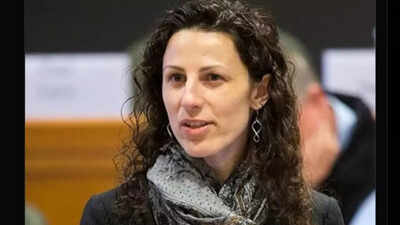
Credit: X/@dandreawc
Meet the whistleblowers
At the heart of this scandal is Data Colada, the blog co-authored by Simonsohn, Nelson, and Simmons—three prominent behavioral scientists dedicated to scrutinizing the integrity of research in their field.Simonsohn, a professor at Ramon Llull University in Spain, has developed influential tools to detect p-hacking and other questionable research practices. Nelson, at UC Berkeley’s Haas School of Business, specializes in consumer behavior and has pushed for more rigorous research standards. How has the case unfolded so far
In 2021, the Data Colada team discovered suspicious data patterns in four papers co-authored by Gino. These studies had been published in leading journals such as Psychological Science, Journal of Personality and Social Psychology, and the Proceedings of the National Academy of Sciences. The team usually contacts authors before going public, but in this case, they bypassed Gino and brought their findings directly to Harvard Business School in the fall of 2021.Harvard launched an internal investigation, ultimately producing a 1,300-page report that concluded Gino’s data had been deliberately manipulated. In June 2023, the Chronicle of Higher Education revealed the allegations publicly, prompting Data Colada to release detailed blog posts outlining their findings, including inconsistencies between published datasets and original data files.Retractions and repercussionsThe consequences were swift and harsh. Between July and September 2023, three of Gino’s papers were formally retracted. An earlier paper in the Proceedings of the National Academy of Sciences had already been retracted in 2021 due to unrelated data fabrication.As Harvard’s investigation advanced, Gino was banned from teaching, research, and mentoring, and stripped of her titled professorship. These severe sanctions were seen by some as equivalent to revoking tenure—a rare and dramatic step in academia.Gino increases legal troubles for the whistleblowers
In response, Gino filed a $25 million lawsuit in August 2023 against Harvard, the Harvard Business School dean, and the Data Colada trio. She claimed defamation, arguing that Data Colada’s blog posts and Harvard’s statements were false and had destroyed her reputation. Gino had also alleged gender discrimination under Title IX, claiming that Harvard’s actions were harsher against her than against male colleagues accused of similar misconduct.A key part of her legal argument was that Harvard had breached its own policies around tenure and discipline. In September 2024, Massachusetts Judge Myong J. Joun dismissed Gino’s defamation claims against Data Colada, citing First Amendment protections for the blog’s interpretations of evidence. However, the judge allowed Gino’s breach-of-contract claim against Harvard to proceed, ciitng that the university’s sanctions can be seen as violating its own tenure rules.The legal troubles for the whistleblowers
For Simonsohn, Nelson, and Simmons, Gino’s lawsuit posed a serious financial and professional threat. Unlike Harvard, with its $50.9 billion endowment, they had no institutional backing.A GoFundMe campaign, launched by psychologist Simine Vazire, raised over $378,000 to help cover their legal costs. The academic community widely supported them, with many seeing their work as essential to scientific integrity and fearing that lawsuits like Gino’s could discourage future whistleblowers.End of Article
Follow Us On Social Media






Photostories
Tired of too many ads?go ad free now
Featured In Lifestyle

Tired of too many ads?go ad free now
Hot on the Web
Magnesium Deficiency SymptomsHarrappan CivilisationCooking OilsVeer Savarkar Jayanti WishesKamal HaasanSooraj PancholiDipika KakarDipika Kakar Cancer NewsEID Moon SightingWorld Largest Air ForcesNational ParksOptical illusionKiwi Fruit BenefitsLower Blood PressureSpinach Pesarattu RecipeTalking Bird SpeciesDipika Kakar Cancer DiagnosisIntelligent AnimalsSouth India TemplesBeetroot BenefitsLiver Damage SymptomsUS EmbassyItaly Passport New RulesBeetroot Ginger Lemon JuiceEid Ul Adha 2025Baba Vanga PredictionPhilippines VisaIndian Passport Holders CountriesShraddha AryaCoronavirus SymptomsGta 6Annabelle Doll MissingNaveen TahilyaniOne Piece Chapter 1150Elon MuskTommy RobinsonJensen HuangSports AnimeKhan SirShonen MangaIsro Icrb RecruitmentMark Cuban
Trending Topics
Latest MoviesBollywood MoviesHollywood MoviesTamil Movies 2025Telugu Movies 2025Malayalam Movies 2025Kannada Movies 2025Marathi Movies 2025Bengali Movies 2025Top Rated Movies 2025Best Hindi MoviesBest English MoviesBest Telugu MoviesBest Tamil MoviesBest Malayalam MoviesBest Kannada MoviesBest Bengali MoviesUpcoming Hindi MoviesBest Movies Of All TimeBest Hindi Movies of All TimeLatest English MoviesLatest Malayalam MoviesEnglish TV NewsTamil TV NewsTelugu TV NewsMalayalam TV NewsKannada TV NewsMovie ReviewsBhojpuri Cinema NewsGujarati Cinema News
Popular Categories
Viral NewsK Pop NewsWeb Series NewsAnime NewsUpcoming English MoviesUpcoming Tamil MoviesUpcoming Telugu MoviesUpcoming Malayalam MoviesUpcoming Kannada MoviesFashion TipsTravel NewsEntertainment NewsBollywood NewsTollywood NewsKollywood NewsMollywood NewsFood NewsLatest Hindi MoviesLatest Tamil MoviesParenting TipsHome RemediesWeight LossBeauty TipsParenting TipsHindi VideosHindi Video SongsBhojpuri Music VideosLatest Telugu MoviesBhojpuri Music VideoHindi TV News
Latest News
Dread answering calls? It’s called telephobia‘Kerala Crime Files’ returns with season 2; Check out the trailerMAH MBA CET result 2025 declared: Check where and how to download scorecards onlineDebut filmmaker Neel Soni’s Babli by Night earns BAFTA nodWill Bryce Harper play tonight against Atlanta Braves? Latest update on Philadelphia Phillies star's injury report (May 28, 2025)“Ready to kick this cancer out!”: WWE Hall of Famer Jim Ross undergoes successful colon cancer surgeryNick Foligno backs Jeff Blashill with a powerful message, takes subtle shot at departed teammatesZodiac signs that are late bloomers in loveJaccob Slavin excels as Carolina Hurricanes hold off elimination, Dallas Stars battle serious offense crisis7 Remedies for 2025 — The Year of Mangal (Mars)Harvard to phase out combined engineering masters routes: Here is what will changeIndian coder’s 4 AM post goes viral, but biohacker Bryan Johnson calls the hustle culture ‘toxic’-- Here's whyExplained: How US visa row and online vetting would shape 2025 admission for international studentsThis anaconda river’s helicopter view will haunt your nightmares; netizens question if it’s real or AI generated | Watch nowSweden charges jihadi over Jordanian pilot burned to deathLeBron James’ wife Savannah makes a massive confession about her personal life on Everybodys’ Crazy‘You owe me $1 million’: Keyshawn Johnson takes NFL agent to court over secret referral dealHow Jared Young’s return from South Korea is sparking the New York Mets’ offence