Trending
Before electricity, humans slept twice a night; scientists explain why biphasic sleep made perfect sense
Before electricity, humans naturally slept in two phases, waking for an hour or two around midnight for quiet activities. This biphasic sleep pattern, influenced by natural light cycles and melatonin, was a common and restorative practice. Industrialization and artificial light disrupted this rhythm, leading to the single, continuous sleep pattern prevalent today.

What is biphasic sleep, and why is it suited to our natural rhythm
How melatonin and circadian rhythm influenced early sleep patterns

The historical evidence behind segmented sleep patterns
How industrialisation ended biphasic sleep
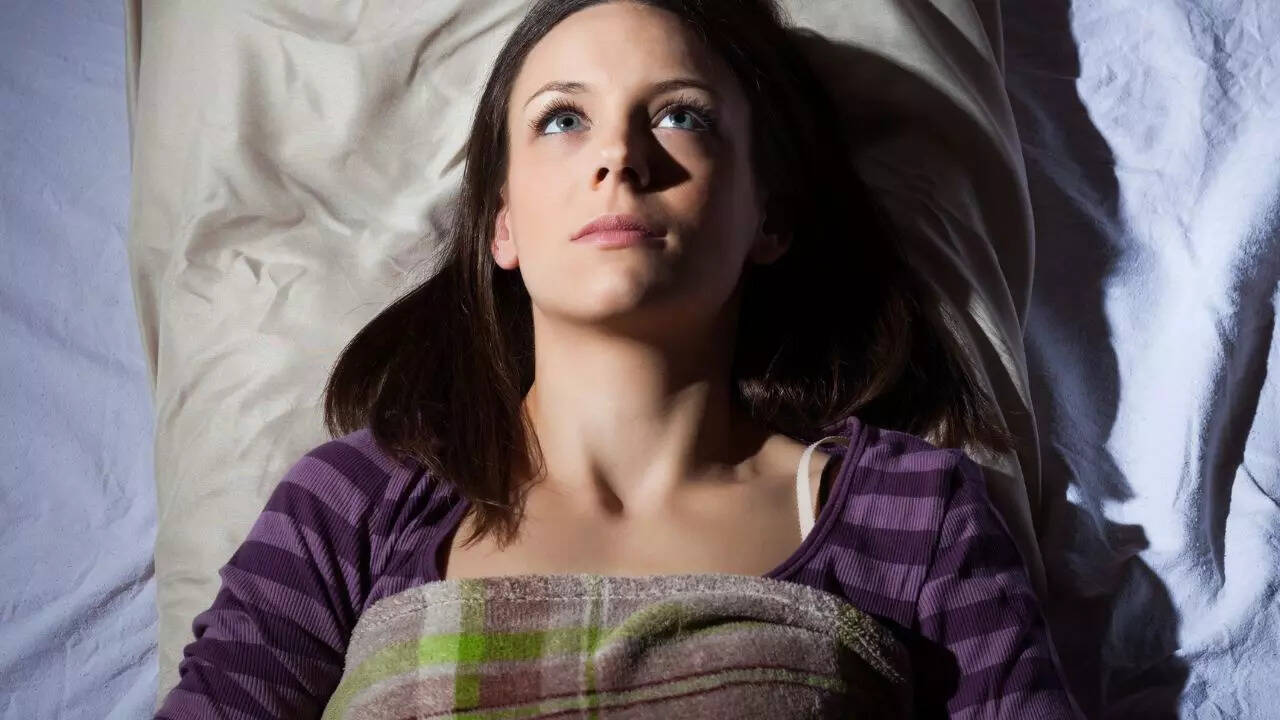
Why waking up at night may be completely normal
Could biphasic sleep make a modern comeback
End of Article
Follow Us On Social Media
Tired of too many ads?go ad free now
lifestyle videos
Featured In Lifestyle

Tired of too many ads?go ad free now



Hot on the Web
Kidney DamageNelson MandelaNelson Mandela QuotesRanveer SinghRice For SkinShhyamali DeSamantha Ruth Prabhu WeddingMorgan FreemanAttract Good LuckBlood PressureJapanese TechniquesTere Ishk Mein CollectionRed DrinksConstipation ReliefSamantha Ruth Prabhu MehendiSamantha Ruth PrabhuRaj NidimoruBlood Circulation In LegKidney DiseaseKidney HealthParentingGustaakh Ishq Box Office CollectionThe Family Man Season 3 ReviewBhagavad Gita LessonsRaj Nidimoru Net WorthTere Ishk Mein Movie ReviewNaga ChaitanyaType 2 Diabetes PreventionHema MaliniNelson MandelaElephant Safari National ParkOvernight Habits That Affect HealthLiver Failure Warning SignsCucumber Vs ZucchiniEarly Signs Of Mouth CancerLargest Ant In The WorldWarning Signs Of Kidney DamageColours That Attract SharksBenefits Of Boiling Sweet PotatoesFatty Liver SignsDrinks That Harm Your Kidney
Trending Topics
Latest MoviesBollywood MoviesHollywood MoviesTamil Movies 2025Telugu Movies 2025Malayalam Movies 2025Kannada Movies 2025Marathi Movies 2025Bengali Movies 2025Top Rated Movies 2025Best Hindi MoviesBest English MoviesBest Telugu MoviesBest Tamil MoviesBest Malayalam MoviesBest Kannada MoviesBest Bengali MoviesUpcoming Hindi MoviesBest Movies Of All TimeBest Hindi Movies of All TimeLatest English MoviesLatest Malayalam MoviesEnglish TV NewsTamil TV NewsTelugu TV NewsMalayalam TV NewsKannada TV NewsMovie ReviewsBhojpuri Cinema NewsGujarati Cinema News
Popular Categories
Viral NewsK Pop NewsWeb Series NewsAnime NewsUpcoming English MoviesUpcoming Tamil MoviesUpcoming Telugu MoviesUpcoming Malayalam MoviesUpcoming Kannada MoviesFashion TipsTravel NewsEntertainment NewsBollywood NewsTollywood NewsKollywood NewsMollywood NewsFood NewsLatest Hindi MoviesLatest Tamil MoviesParenting TipsHome RemediesWeight LossBeauty TipsParenting TipsHindi VideosHindi Video SongsBhojpuri Music VideosLatest Telugu MoviesBhojpuri Music VideoHindi TV News
Latest News
Ro-Ko mania hits Raipur! Virat Kohli goes big, Rohit Sharma takes notes - WATCHTop 5 US colleges for long-term career success, according to LinkedIn’s 2025 rankingsCBSE recruitment 2025-26: Notification released for 124 Group A, B, C posts; apply here'Chor ki daadhi mein tinka': BJP defends Sanchar Saathi app; attacks Congress over privacy row‘Dubai is the only place Indians respect the law’: Andrew Tate draws flak for targeted comment on social mediaJeff Bezos’ wife Lauren Sánchez on big decision they have taken about family's wealth; says: Will give more than $100 million to …'My brother is alive but being mentally tortured': Imran Khan's sister after jail visit; ex-PM blames Asim MunirSensex, Nifty at lifetime highs: Where are Indian markets headed in 2026 & will they outperform gold & EMs? Here’s the outlookSidharth Malhotra reveals he was not supposed to debut with Karan Johar's 'Student Of The Year'; here's what happened to his first filmGoogle co-founder Sergey Brin’s ex-wife Nicole Shanahan claims Silicon Valley ‘tech wives’ were used to fund hidden agendasNeha Sharma questioned by ED in connection with money laundering case linked to betting app - Report'Mana Shankara Vara Prasad Garu' song: First look at Chiranjeevi and Venkatesh's mass single is hereMadison Beer turns Chargers’ victory into a birthday celebration for her mom as Justin Herbert powers through injuryAmy Schumer’s dramatic weight loss: The syndrome that triggered her to lose 50 pounds‘Maxton Hall- The World Between Us’ Season 3 wraps up filming, teases epic finale for Ruby and JamesNHL Brandon Carlo Injury Update: Toronto Maple Leafs defender sidelined after recovery setbackElon Musk urges Nikhil Kamath to have kids as he warns humanity is heading into dangerous decline: “You won’t regret it…”This journey is as much about cinema, as about finding myself again: Anubhav Sinha