Trending
8 Rattlesnake lookalikes that could fool you in the wild
Rattlesnakes, feared for their potent venom, are often mistaken for harmless species. This article explores eight snakes that resemble rattlesnakes, such as Gopher snakes and Eastern Milk snakes, highlighting key differences in head shape, tail features, and behavior. Learning to distinguish these snakes is crucial for safety, as rattlesnake bites can be life-threatening.
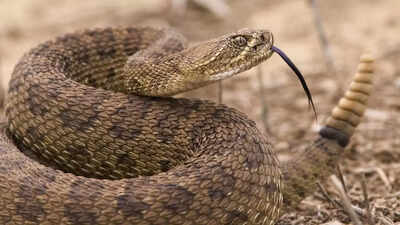
Snakes that look like rattlesnakes
Gopher snake (Bullsnake)
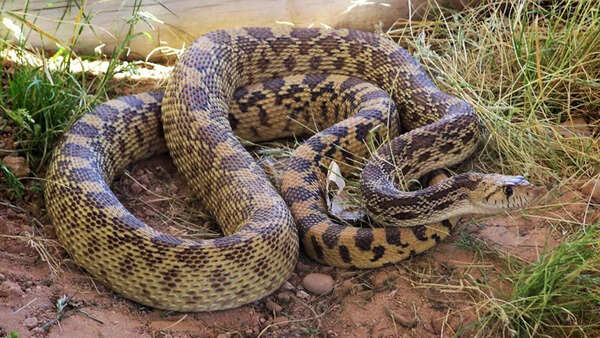
- Head shape: Bullsnakes have narrow heads that are no wider than their necks, unlike the triangular heads of rattlesnakes.
- Tail: They lack a rattle, although they may shake their tails when threatened.
- Venom: Bullsnakes are non-venomous and pose no real threat to humans.
Eastern Indigo Snake
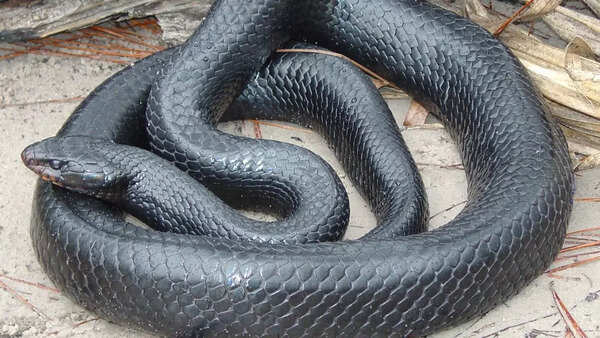
- Tail vibration: Indigo snakes mimic rattlers by vibrating their tails, but they have no rattle.
- Coloration: Their dark, uniform coloring contrasts with the patterned appearance of rattlesnakes.
- Diet: These snakes are non-venomous and even prey on rattlesnakes.
Cottonmouth (Water Moccasin)
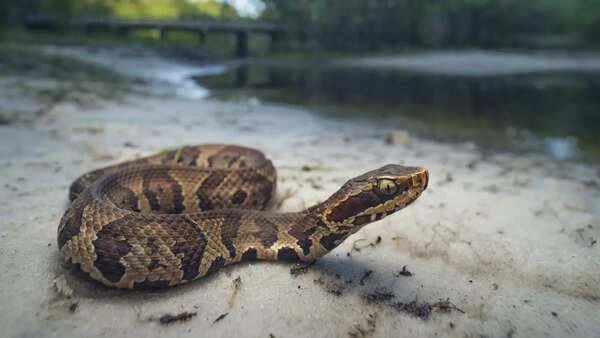
Source: Live Science
- Habitat: Cottonmouths are semi-aquatic; rattlesnakes live on dry land.
- Markings: Cottonmouths have duller, less defined patterns than rattlesnakes.
- No rattle: Despite their threat, they don’t have a rattle at the end of their tails.
Eastern Copperhead
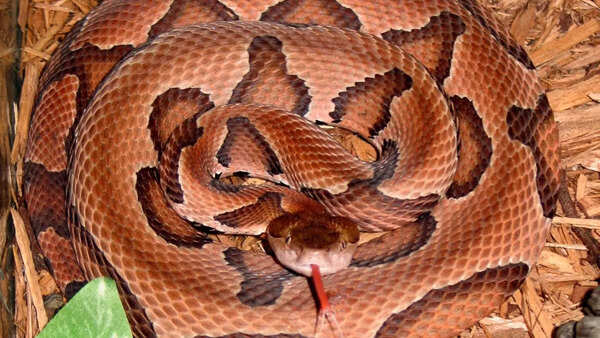
- Markings: Copperheads have hourglass-shaped bands, whereas rattlesnakes have diamond or blotch-like patterns.
- Coloration: Copperheads tend to be more orange, compared to the yellow-brown of rattlesnakes.
- Tail: They have no rattle and a more uniformly shaped head.
Eastern Hognose Snake
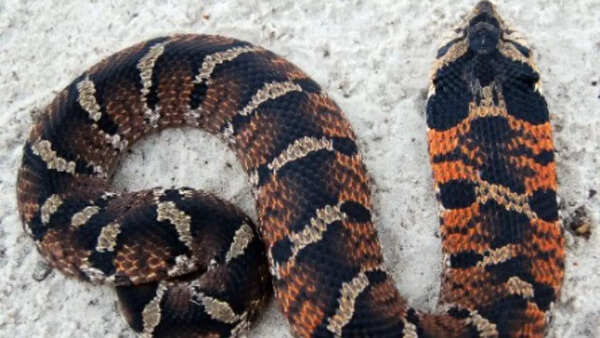
- Head shape: They have a narrow head with a distinctive upturned snout.
- Body behavior: Unlike rattlesnakes, they flatten their bodies and pretend to be dead rather than rattling.
- Coloring: Though they sometimes have similar patterns, they vary widely in color.
Northern Water Snake
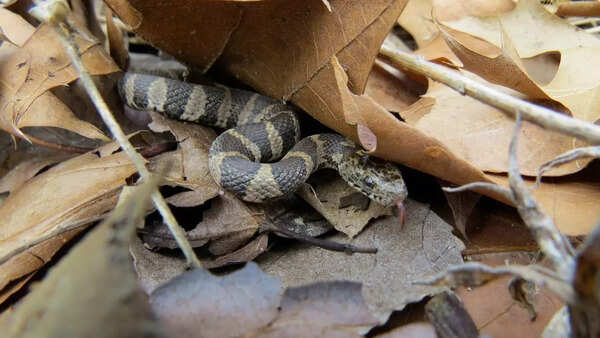
- Habitat: They live near water and are excellent swimmers.
- Markings: Their patterns can look like rattlesnakes', but their heads are narrower.
- Tail: They do not have a rattle or the heat-sensing pits of pit vipers.
Eastern Milk Snake
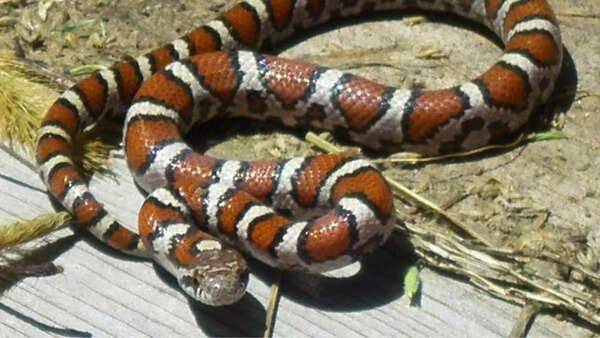
- Size: Rarely grow larger than three feet, unlike the much bigger rattlesnakes.
- Color: Brighter colors with reds and oranges; often more vibrant than rattlesnakes.
- Head shape: Rounded head and no rattle at the tail.
Eastern Rat Snake
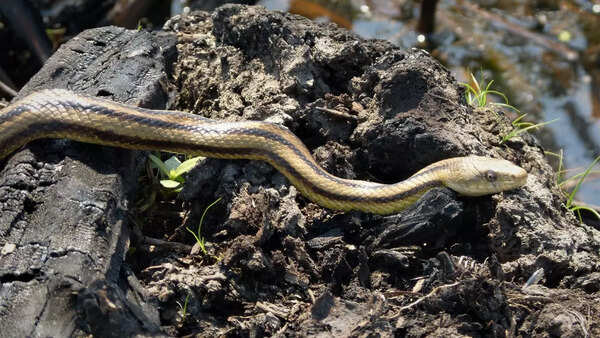
- Coloration: They can be black, yellow, or patterned, but lack the classic diamond shapes.
- No rattle or pits: They have no rattle and lack heat-sensing pits near the eyes.
- Head shape: Long, narrow head instead of the triangular one seen in rattlesnakes.
End of Article
Follow Us On Social Media










Photostories
Tired of too many ads?go ad free now
Featured In Lifestyle

Tired of too many ads?go ad free now
Hot on the Web
Kidney Damage SymptomsRakhee MajumdarElon MuskVivek OberoiKapil SharmaHigh Fibre FoodsApoorva MukhijaOptical illusionPersonality TestBeagle PuppyColon Cancer SymptomsChinki MinkiHarvard NeuroscientistGut HealthWalking vs JoggingHeart HealthHair GrowthBloatingAngelina JolieOptical illusionBaby Girl NamesCoffee BenefitsWalking ExerciseShweta TiwariLiver DetoxKannappa Box Office CollectionSitaare Zameen Par Box Office CollectionGond KatiraAnimal CareArjun KapoorRamayana MovieDemon SlayerTesla Employee ResignsBlue Lock Chapter 310Einstein VisaProstate CancerBenefits Of Jamun Seed PowderFerrari AmalfiShubhanshu ShuklaStrongest Female Anime CharactersGallbladder CancerAnand Mahindra
Trending Topics
Latest MoviesBollywood MoviesHollywood MoviesTamil Movies 2025Telugu Movies 2025Malayalam Movies 2025Kannada Movies 2025Marathi Movies 2025Bengali Movies 2025Top Rated Movies 2025Best Hindi MoviesBest English MoviesBest Telugu MoviesBest Tamil MoviesBest Malayalam MoviesBest Kannada MoviesBest Bengali MoviesUpcoming Hindi MoviesBest Movies Of All TimeBest Hindi Movies of All TimeLatest English MoviesLatest Malayalam MoviesEnglish TV NewsTamil TV NewsTelugu TV NewsMalayalam TV NewsKannada TV NewsMovie ReviewsBhojpuri Cinema NewsGujarati Cinema News
Popular Categories
Viral NewsK Pop NewsWeb Series NewsAnime NewsUpcoming English MoviesUpcoming Tamil MoviesUpcoming Telugu MoviesUpcoming Malayalam MoviesUpcoming Kannada MoviesFashion TipsTravel NewsEntertainment NewsBollywood NewsTollywood NewsKollywood NewsMollywood NewsFood NewsLatest Hindi MoviesLatest Tamil MoviesParenting TipsHome RemediesWeight LossBeauty TipsParenting TipsHindi VideosHindi Video SongsBhojpuri Music VideosLatest Telugu MoviesBhojpuri Music VideoHindi TV News
Latest News
IND vs ENG, 2nd Test: Ex-England seamer explains why Akash Deep was more effective - 'He brings the stumps...''The Beatles' drummer Ringo Starr spent "two days" with director Sam Mendes over his biopicJhanak fame Anupam Bhattacharya on men’s mental health; says ‘It remains a highly underrated topicHollywood star Richard Gere attends Dalai Lama's 90th birthday celebration in DharamshalaWhat parents can do to help kids find their voice and confidence?Gig workers in Bengaluru get another ride optionHyderabad woman throttles husband, claims he died of heart attack; arrested after injury marks raise suspicionAespa Karina takes over ‘WATERBOMB 2025’ stage solo; netizens share mixed reactions - find out what happened'SHOCK WAVES' as Doom creator John Romero announces job cuts, says: Breaks my heart to say that Romero Games fell victim to Microsoft layoffs ...“That Continues to Cheer for Him”– ECW Legend Points Out a Chink in John Cena’s ‘Heel’ ArmorTelangana govt mulls stamp duty rejig; relief for women on cardsNo Wi-Fi at Kolkata airport since November, international flyers land in digital death zoneKolkata case shows Indian women are done with being shamed for rapeLucky numbers for July 06 to July 12: Your weekly fortunate number revealedWho is Rajan Kabra? Meet the CA Final AIR 1 from Mumbai, the same student who topped his CA Intermediate exam'It's not a place where you can have a healthy discussion,' says Abhishek Bachchan revealing why he doesn't express on social media - EXCLUSIVEGenelia Deshmukh reacts to viral clip with Riteish and Preity Zinta: “It’s just blown out of proportion”Youth ODIs: Inspired by Shubman Gill's knock at Edgbaston, 14-year-old Vaibhav Suryavanshi eyes double ton in next match