
- News
- etimes
- animals-pets
- Snake-filled waters in India: 6 unique locations and why snakes live there
Snake-filled waters in India: 6 unique locations and why snakes live there
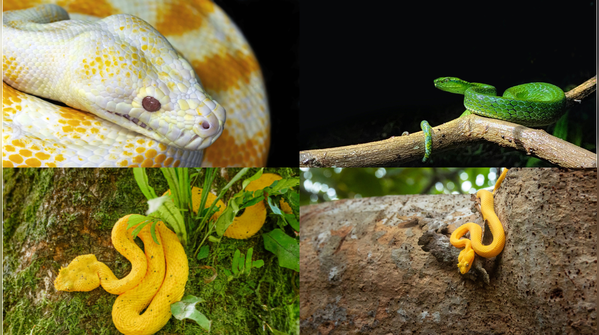
Snake-filled waters in India: 6 unique locations and why snakes live there
India’s waters are way more alive than they actually appear to be. There is a world of slithering snakes living silently beneath the seemingly calm waters of the lakes and rivers of the country, filled with life and various species of semi-aquatic snakes. These can be found in the bustling city drains as well as in the distant water bodies, and scientists explain, ‘Snakes are found in a wide range of habitats, even in cities, particularly in water bodies where food is plentiful.’ This photo story takes you through six water bodies in India, teeming with life, which may seem tranquil on the surface, but also carries a wild, untamed edge to them. Snake-filled waters may sound intimidating, but they are vital ecosystems. These reptiles control pest populations and maintain ecological balance. Understanding and respecting these habitats is essential, as human interference can disrupt this delicate balance and lead to unintended ecological consequences. What appears calm to the eye often hides a thriving, unseen wilderness beneath the surface.
What appears calm to the eye often hides a thriving, unseen wilderness beneath the surface, reminding us that nature’s quietest corners are often its most alive and complex.
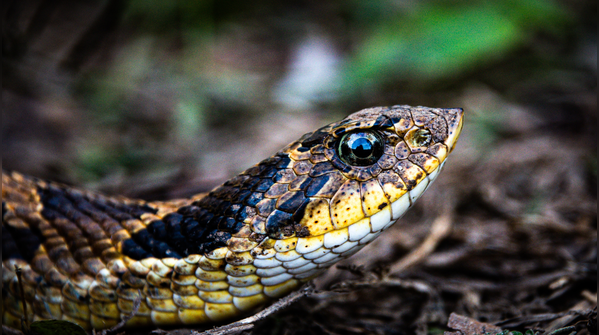
Western ghats forest streams, Karnataka
Hidden away in the Western Ghats are countless streams where snakes thrive. These cool and oxygenated bodies of water, shaded by the surrounding foliage, provide an ideal habitat for amphibians, who become prey for snakes. According to The Environmental Literacy Council, the Western Ghats are known worldwide for their biodiversity. This region is home to a variety of species, including aquatic snakes. Strolling along these streams means walking alongside these elusive swimmers without even realising it. Among them are species like the checkered keelback, a non-venomous water snake commonly seen gliding effortlessly through these streams.
Image: Canva
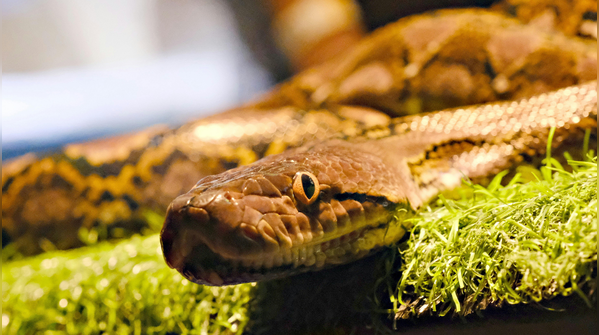
Chilika lake, Odisha
Research by the Zoological Survey of India, Asia’s largest brackish water lagoon, is a less talked-about habitat for snakes. This body of water, consisting of fresh and salt water, is home to a variety of aquatic life, including snakes that thrive in this environment. The quiet corners of this lake provide a habitat for reptiles, especially in areas where fish are abundant.
Image: Canva
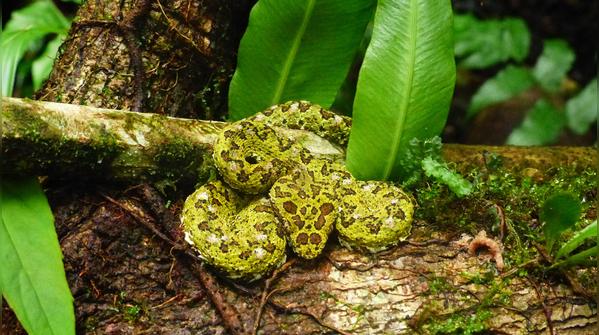
Yamuna floodplains, Delhi
Snake-infested water is not a rare sight even in our capital city. The Yamuna flood plains, which include marshlands and drainage systems, are home to a variety of snakes. A report published in Scientific Reports documented snakes in “drain networks, rivers, and wetlands” in Delhi. Monsoon season sees an increase in snake sightings, which come very close to urban life.
Image: Canva
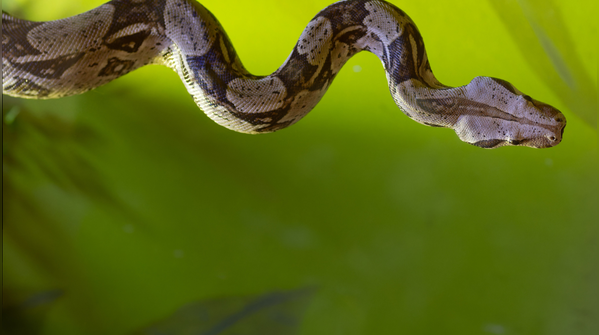
Brahmaputra river banks, Assam
As per the research on Assessment of the Reptilian Fauna in the Brahmaputra, the mighty Brahmaputra River is inhabited by semi-aquatic snakes like the checkered keelback, which is commonly found in water bodies. These snakes adjust very well to the water levels, feeding on fish and frogs. Wetlands and floodplains serve as a hunting ground for them, thereby emphasising how “aquatic snakes have a great affinity for water bodies”
Image: Canva
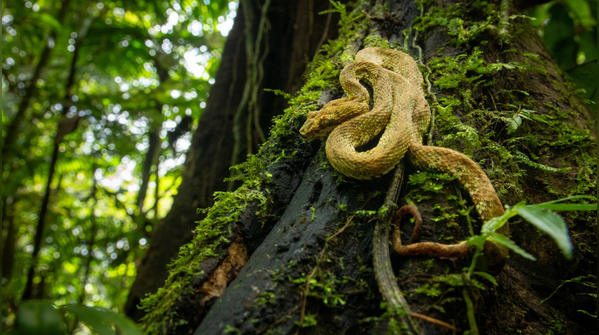
Kerala backwaters, Kerala
Kerala's picturesque backwaters are not only picture-perfect; they are also thriving habitats for reptiles. As per the The Environmental Literacy Council, the dense growth and warm waters provide a haven for various aquatic snakes. Kerala has been cited by experts as a biodiversity hotspot for its unique diversity of snakes due to its ecosystem. In Kerala, snakes can be seen gliding through the water canals silently, often undetected by the houseboats cruising serenely above them.
Image: Canva
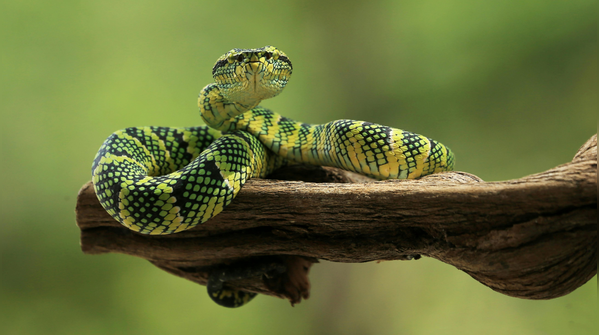
Sundarbans mangrove waters, West Bengal
According to research at Darjeeling Government College, the murky waters of Sundarbans’ tidal creeks are one of the most snake-infested waters of India. The mangrove roots provide ideal hideaways for water snakes and sea snakes. These species of snakes are thriving at the interface of land and sea, preying on fish and amphibians. The humid and saline environment of Sundarbans is home to a variety of species, and every disturbance on the surface of the water is a possible indication of life beneath.
Image: Canva
Featured In etimes

