
- News
- etimes
- animals-pets
- Meet 8 animals with strange noses that are not just for smelling
Meet 8 animals with strange noses that are not just for smelling
Meet 8 animals with strange noses that are not just for smelling
Noses are usually something we take for granted. Breathing, smelling, maybe a sniff of a flower, that’s about it for most humans. But in the animal world, a nose can be a lot more than that. Some noses are hunting tools, others are communication devices, and some are downright bizarre in appearance. From tentacled snouts to long, honking proboscises, evolution seems to have gone wild. These strange noses aren’t just for show; they help animals survive, find food, attract mates, and even navigate tricky environments.
These noses may help us understand evolution and animal behaviour in ways we never imagined.
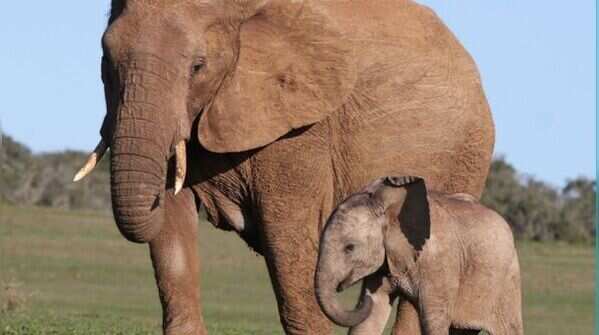
Elephant
Elephants’ trunks are basically giant noses. They smell, touch, taste, drink, grab branches, spray water, and even snorkel. According to SeaWorld, they can detect water up to 12 miles away. Watching an elephant use its trunk is almost hypnotic. It touches, sniffs, picks up, and sprays.
PC: National Geographic
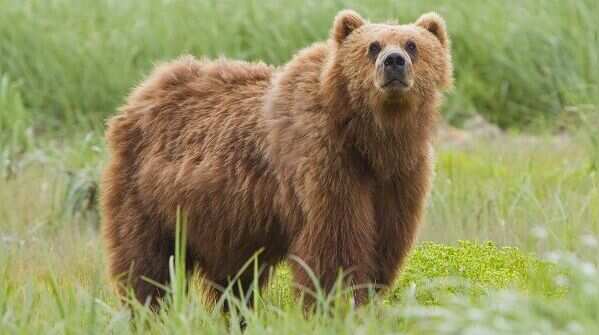
Bear
Bears have noses that seem ordinary. Experts say they are seven times better than bloodhounds and over 2,000 times better than humans. Before hibernation, every sniff counts. From berries to prey, a bear’s nose guides them. It’s a survival tool in the truest sense. Watching one sniff the air, it’s hard not to be impressed.
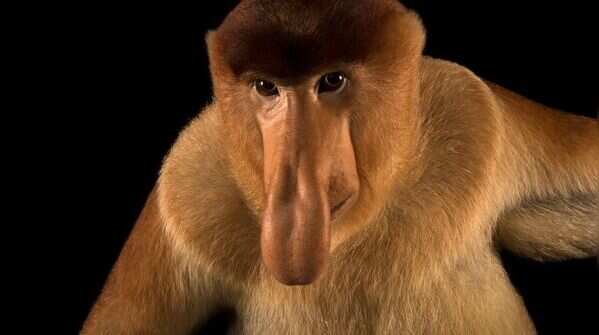
Proboscis monkey
Proboscis monkeys are famous for their noses. The males can have noses almost seven inches long. They honk to attract females, and bigger noses mean louder calls. They live in forests and swamps across Borneo and nearby islands. Habitat destruction is a threat. They’re both a mating signal and a vocal amplifier.
PC: National Geographic
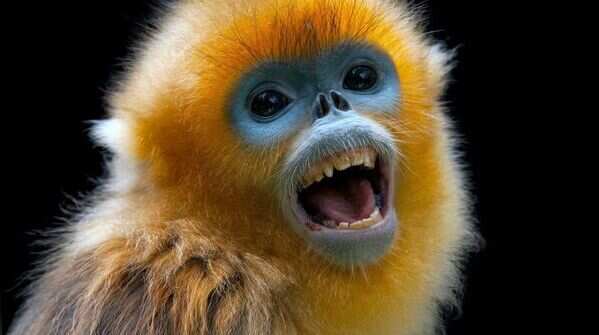
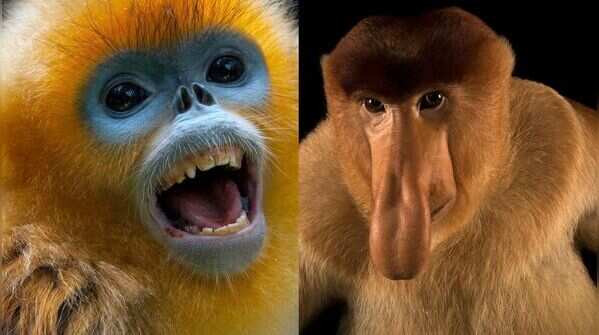
Snub-nosed monkey
Snub-nosed monkeys have flat noses that point forward. The golden snub-nosed monkey lives in the snowy mountains in China. The nose might look funny, but it’s protective. These monkeys are social creatures. They rely on subtle nose movements to communicate, apparently. Sadly, humans are encroaching on their habitat, so they’re endangered. They are funny-looking, but their strange and unusual nose holds greater significance in their survival.
PC: National Geographic
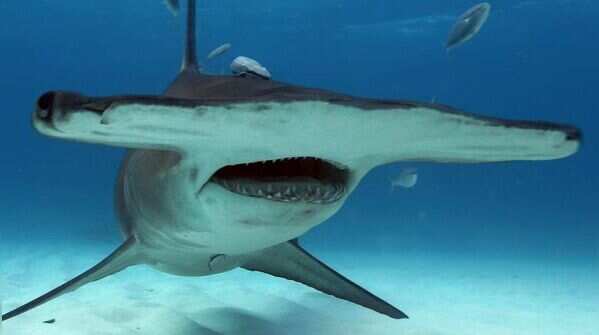
Hammerhead shark
Hammerheads have wide-set nostrils along their unique head. The distance between them apparently helps detect prey direction better. They also use their heads to trap prey before biting. Scientists say it improves accuracy in hunting. Evolution seems to have given this shark a literal head start.
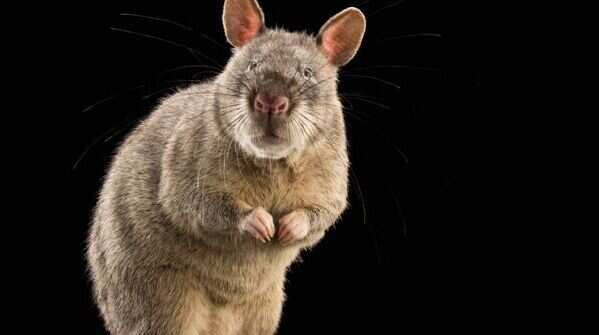
African giant pouched rat
These rats are bigger than normal ones, nine to 17 inches long. They sniff out landmines, track explosives, and navigate tight spaces. Their noses are said to be as strong as a dog’s. And a smaller size helps in tricky areas. Smart, fast, and surprisingly useful. People tend to overlook them, but these rats are quietly amazing.
pc: National Geographic
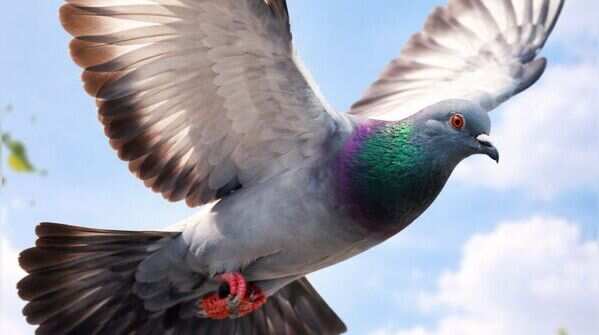
Homing pigeon
Homing pigeons are like natural GPS devices. They can find their way home from over 1,000 miles away. At first, people thought it was their beaks, but apparently, it’s more about magnetic fields and brainstem cells. Scientists aren’t fully sure yet. They just glide home, calm as you like.
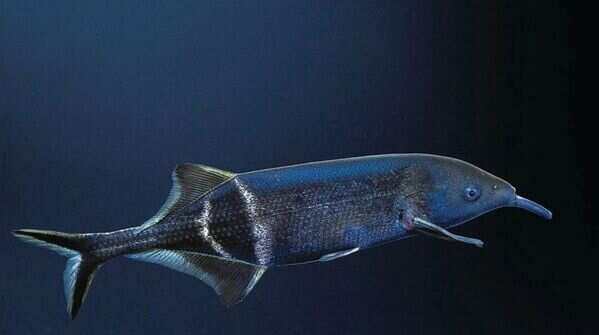
Elephantnose fish
This fish is bizarre. Its nose is actually a chin. But that chin has electrosensory organs. It uses them to detect prey in murky water. Reports suggest it can find food even in total darkness. Growing to about 14 inches, it relies entirely on this strange appendage to survive.
PC: Scientific American
Featured In etimes

