
- News
- etimes
- animals-pets
- Animal body parts that break all size limits: From car-sized hearts to microscopic teeth
Animal body parts that break all size limits: From car-sized hearts to microscopic teeth
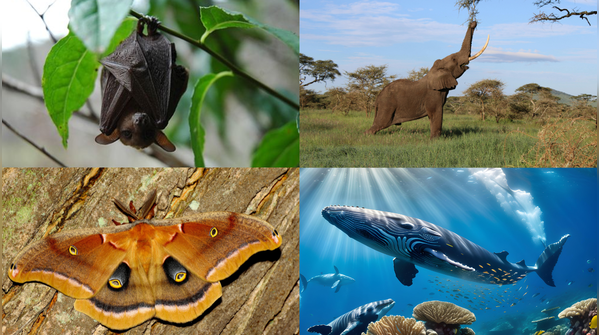
Animal body parts that break all size limits: From car-sized hearts to microscopic teeth
The animal kingdom is a world of extremes, where size, shape, and function combine in the most fascinating ways. From animals with hearts the size of small cars to microscopic animals that cannot be seen with the naked eye, nature has a way of breaking the rules. These bizarre animal body parts are not just strange; they are also the product of evolution, helping animals survive and thrive in a world that has been changing for millions of years. Some of the most bizarre, record-breaking, and unexpected animal body parts give a glimpse of the wonderfully diverse world we live in. Exploring these extraordinary adaptations not only sparks curiosity but also deepens our understanding of how life on Earth has evolved in ingenious and unexpected ways.
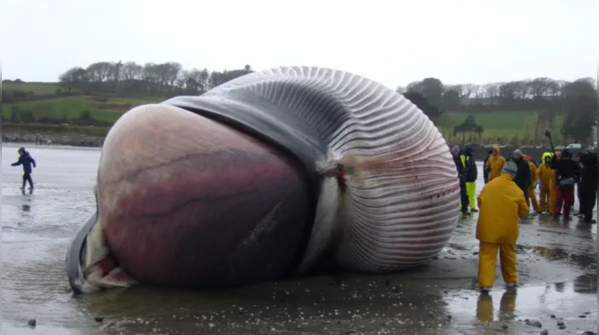
Blue Whale: Enormous heart
The blue whale, the biggest known animal to have ever existed, has a heart so large that it can weigh as much as a small car, according to National Geographic. The heart is about 5 feet long, 4 feet wide, and 5 feet tall. It weighs about 400 pounds; this powerful organ pumps blood through a body that can stretch over 30 meters in length.
Image: National Geographic
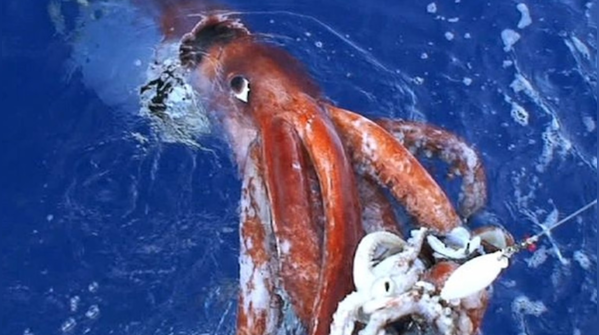
Colossal Squid: Giant eyes
In deep-sea waters, the colossal squid has developed the biggest eyes in the animal kingdom. According to the National Museum of Natural History, “the colossal squid's huge eyes allow it to detect faint light in pitch-dark waters, giving it a big survival advantage in hunting and protecting itself from predators.”
Image: National Geographic
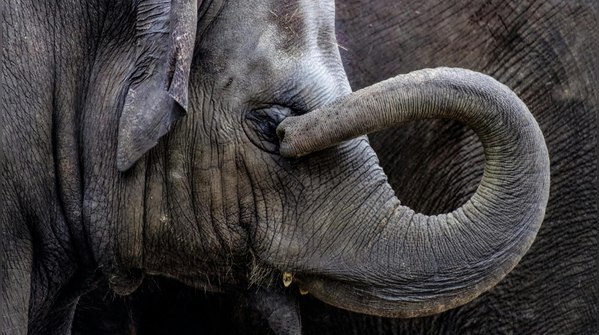
Elephant’s Trunk: A multi-tool limb
According to a publication by Cambridge University Press, “the trunk of an elephant is a combination of its nose and upper lip, and it has thousands of muscles. Its uses range from breathing, smelling, and grasping objects to communication. Thus, it is one of the most versatile parts of an animal's body."
Image: Canva
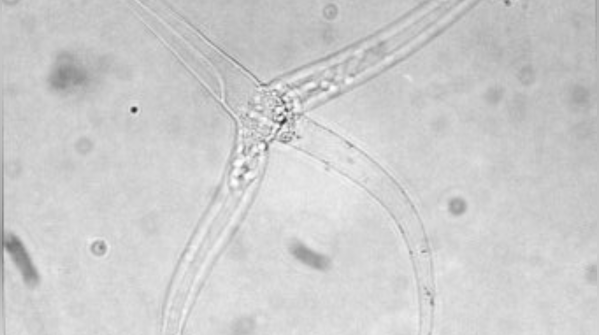
Myxozoa: Microscopic creatures
As per Ecology and Management of Inland Waters, some of the smallest creatures on this planet, such as Myxozoa, measure just a few micrometres in size. They are fully functioning organisms, exemplifying how life can exist at microscopic scales.
Image: Wikipedia
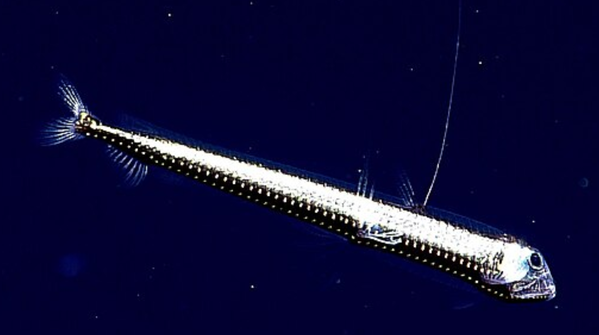
Viperfish: Needle-like teeth
According to the information provided by the Monterey Bay Aquarium Research Institute, this fish has some of the largest teeth relative to its body size. These fangs are so long that they cannot be accommodated inside its mouth.
Image: Wikipedia
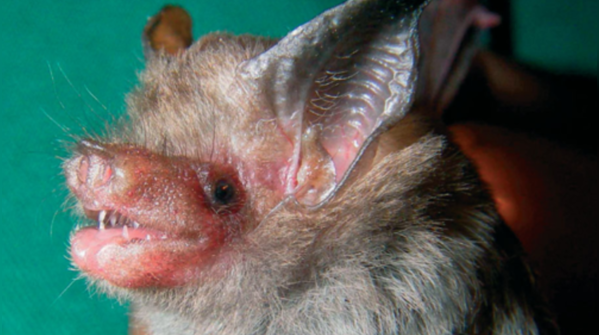
Bumblebee Bat: Tiny but mighty
As experts put it, the Bumblebee bat is referred to as the smallest mammal in the world, and the bumblebee bat has a size almost similar to a thumbnail. This goes to show that survival is not always about being large.
Image: Wikipedia
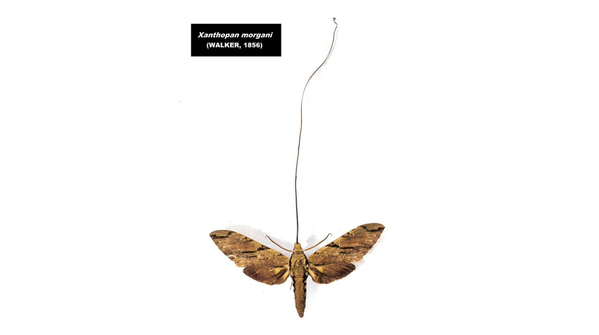
Darwin’s Moth: Long Tongue
Dr David Lees, a curator of moths at the Natural History Museum, describes the Morgan's sphinx moth as having a "proboscis longer than its own body, in some cases up to 30 cm in length." This remarkable adaptation enables the moth to reach nectar in flowers inaccessible to other insects.
Image: Wikipedia
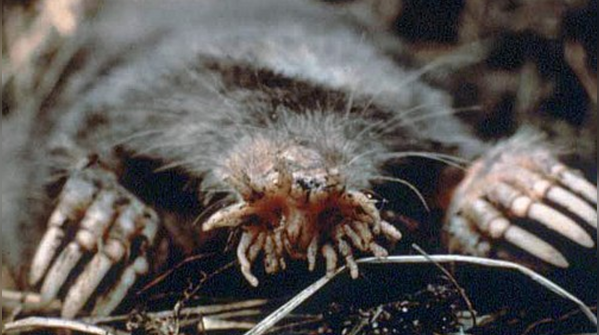
Star-nosed Mole: Sensory nose
According to researchers from Vanderbilt University in Nashville, this strange mole has a star-shaped nose consisting of 22 appendages. These are equipped with sensitive receptors, enabling them to locate prey with incredible speed and accuracy in total darkness.
Image: Wikipedia
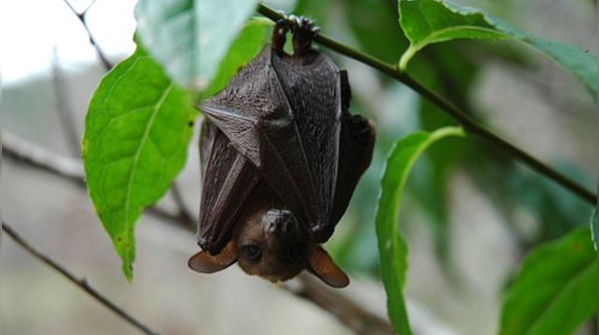
Nectar Bat: Extendable tongue
Research in applied biological sciences reveals that this bat has a tongue that is longer than its body, and it is kept inside its rib cage. This unusual feature of this bat is used for eating nectar, thus contributing to pollination.
Image: Wikipedia
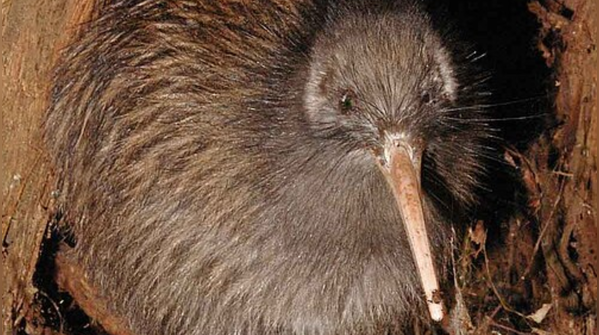
Kiwi Bird: Oversized egg
A professor at Massey University explains that “one of the largest eggs in relation to body size of any bird is laid by the kiwi. Sometimes this is nearly a quarter of its weight.”
Image: Wikipedia
Featured In etimes

