
- News
- etimes
- animals-pets
- 8 most rattlesnake‑infested areas from the Canadian to the Mexican mountain ranges
8 most rattlesnake‑infested areas from the Canadian to the Mexican mountain ranges
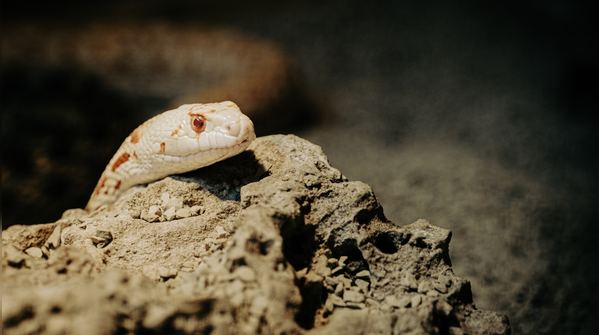
8 most rattlesnake‑infested areas from the Canadian to the Mexican mountain ranges
As you skirt along the eastern edge of the Rockies, you enter a land that is a blend of desert heat from the plains and the rising stones of the mountains. It is in this land that rattlesnakes feel most at home. In these semi-arid valleys and mountains, prairie rattlesnakes and their species move through the stones, bask in the sun on rocky outcroppings, and bed down in dark crevices. It is a lifestyle that has been ongoing for generations. It is vital for those who venture into these mountains to climb, hike, and camp to be aware of locations where rattlesnakes are known to congregate. Not to fear them, but to navigate their land with a sense of respect. Understanding their behaviour and habitats can help prevent encounters and ensure a safer experience in the wild.
Simple precautions, such as watching your step, avoiding tall grass, and keeping a safe distance, can make all the difference when sharing this landscape with them.
Image Credit: Canva
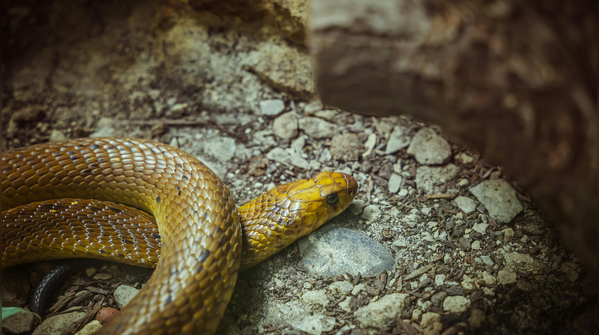
Eastern Montana badlands and Missouri River breaklands
The rolling badlands east of the Montana Rockies, with river-cut coulees running through open ground, sandstone bluffs, and rocky outcroppings, seem to be the perfect habitat for rattlesnakes. The Montana field guide to prairie rattlesnakes, published by Montana’s official state website, writes, “Rattlesnakes can be found far from their dens, travelling over open rocky ground.” The advice for hikers and hunters is simple: if you’re in this part of Montana, be aware of your surroundings, don’t lift or step over a rock without checking, and slowly back away if you encounter a rattlesnake coiled and ready to strike.
Image Credit: Canva
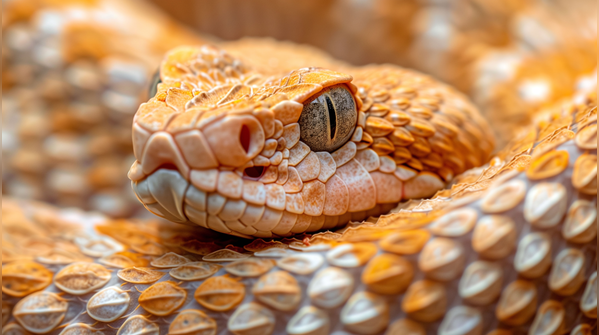
San Luis Valley and Great Sand Dunes region, Colorado
This area may have been given its name because of the towering dunes and the alpine views that can be seen. However, it is also home to the San Luis Valley and the lower elevations of Great Sand Dunes National Park, which have prairie rattlesnakes. You can find them along the drier edges and shrubs. A study of western rattlesnakes by the National Library of Medicine shows that they tend to congregate in areas that have moderate plant cover and plenty of food. Even at high-altitude basins, this is possible. Therefore, it is important to keep an eye on the ground, especially where rock-lined drainage is evident, and to keep children and pets on short leashes.
Image: Canva
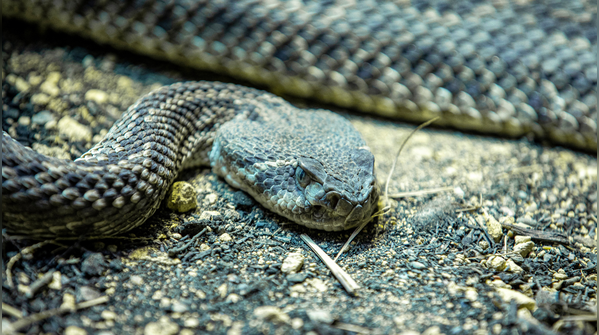
Black Hills of South Dakota and Wyoming border
The Black Hills rise up from the Great Plains, an area known for prairie rattlesnakes and their relatives. These snakes do well in a variety of habitats, including a mix of grass and conifer forests, even around rocky outcroppings. According to field guides, these snakes prefer to den on south-facing slopes during the day, using rocky outcroppings, rock piles, and large boulders. For hikers and wildlife enthusiasts, the advice is simple: stay on the trails, look ahead to sunlit rocky outcroppings, and don't put your hand in a hidden crevice where a snake may be resting.
Image Credit: Canva
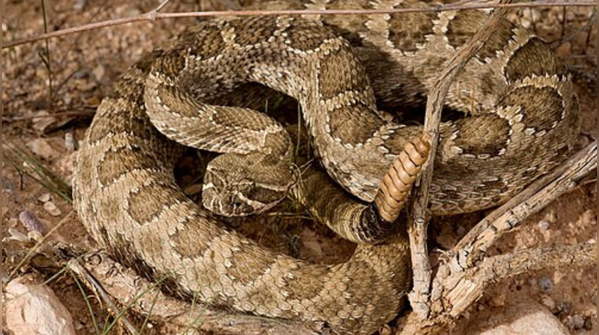
Eastern foothills of the Colorado Front Range (e.g., Palmer Lake, Castle Rock)
The arid, east-facing slopes of Pikes Peak, as well as the Colorado Front Range, are typical habitat for the rattlesnake. The grassier draw areas provide opportunities for rocky outcroppings and ponderosa pine trees, which these snakes love. An entry on the prairie rattlesnake, common in Montana, which is the same as the one we have here, from the Montana Field Guide, states: “The prairie rattlesnake thrives on open, arid landscapes, rocky ledges, and rocky outcroppings, often just a few kilometres from the communal dens of the same species. So, as you hike, take a good look at the trail, avoid the tall, dry grass, and give the snakes a healthy amount of space when you encounter them.”
Image: Wikipedia
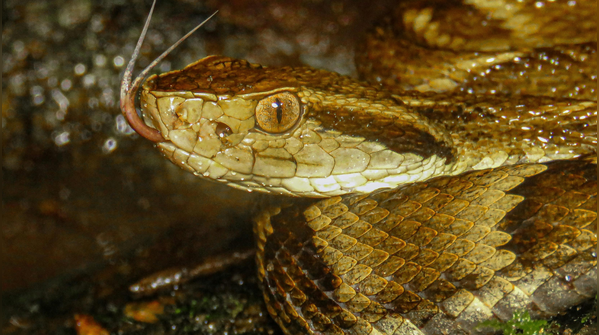
Twin Falls area, Idaho
Though it’s a bit farther north, the Snake River Valley near Twin Falls still falls within the range of the prairie rattlesnake. Here, open canyons with basalt outcroppings and sagebrush hills resemble the traditional habitat of the Prairie rattlesnake. In one report on the range of Crotalus Viridis, dry rocky valleys were described as having widespread populations. For hikers and rafters, this means being careful around rocky river banks, talus fields, and sunlit rocky outcroppings, especially in the morning and late afternoons.
Credit: Canva
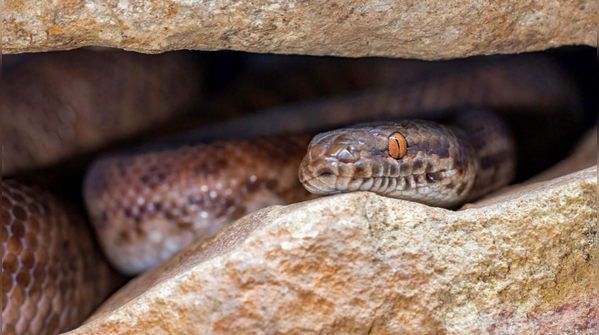
Laramie Foothills and Vedauwoo, Wyoming
The Laramie foothills and the Vedauwoo area are in a rough, broken granite area, with rocks and boulders in tan grasses. Rattlesnakes are in this habitat, as they are attracted to rocky, sunny areas for denning and sunbathing. Research published on Research Gate on the Behaviours of Rattlesnakes revealed that south-facing, rocky slopes are warmed and provide shelter for denning and sunbathing. Be cautious on the trails and watch the ground around rocky outcroppings and logs, especially in the spring and summer. If you hear a rattlesnake rattle, stop, back away, and think before reacting.
Image: Canva
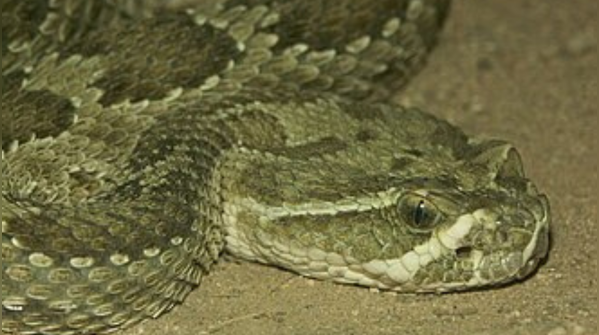
Colorado Springs, Colorado
The red sandstone fins and balanced boulders of Garden of the Gods have a fantasy-land appearance, but for rattlesnakes, this is an ideal system of dens and sun-bathing spots. In fact, the Colorado Parks and Wildlife website identifies the prairie rattlesnake as a species utilizing the rocky outcroppings and shrublands associated with the Colorado Front Range. The advice given by park rangers and guides to visitors is to stay on the trails, not sit on loose rocks, and give a coiled and nervous snake a wide and relaxed berth.
Image: Wikipedia
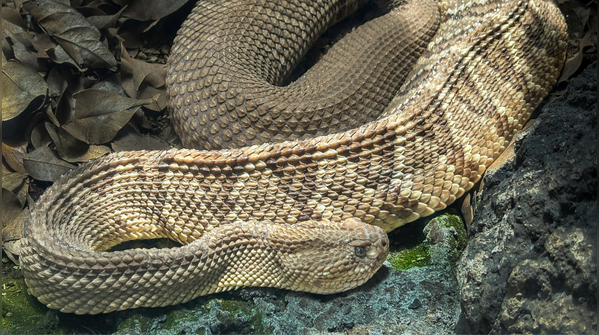
Bighorn Canyon National Recreation Area, Wyoming, Montana
Bighorn Canyon is a beautiful area that winds through red cliffs and sunlit gullies, a rattlesnake country characterised by open, rocky areas and grassy benches. Herpetologists comment on these canyons as microhabitats for rattlesnakes, complete with basking sites, rodent-infested shelves, and dark retreat sites. For travellers, they recommend watching for ground-dwelling rattlesnakes, especially in late morning to early afternoon when they are most active.
Image: Canva
Featured In etimes

