
- News
- etimes
- animals-pets
- 7 shocking facts about lions that prove they are far more dangerous than most people think
7 shocking facts about lions that prove they are far more dangerous than most people think

Lions sleep all day and kill rival cubs: 7 facts that sound too wild to be true
Most people grow up seeing lions as symbols of strength, royalty, or courage. They appear in cartoons, national emblems, football logos, and wildlife documentaries so often that it becomes easy to forget one thing – lions are still among the most feared predators on Earth.
But beyond the loud roar and iconic mane, lions have habits and survival tactics that many people don’t know about. Some are brutal, some are surprisingly emotional, and some are simply difficult to believe until you hear them.
Here are 7 shocking facts about lions that reveal a side of the “king of the jungle” most people never really think about.
Images: Canva (for representative purposes only)
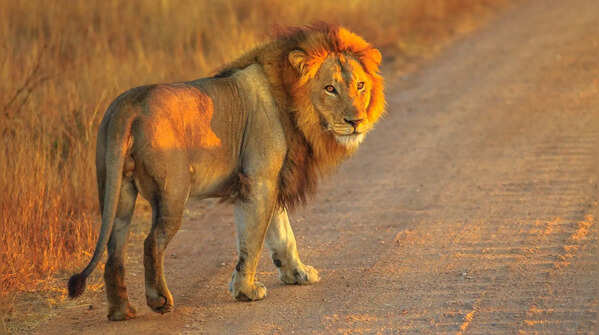
Lions can sleep for almost an entire day
Lions may be powerful hunters, but they are also incredibly lazy animals. A lion can sleep or rest for up to 20 hours a day. Most of their energy is saved for hunting, fighting, or protecting territory. During hot afternoons, they usually avoid movement completely and stay hidden in shade.
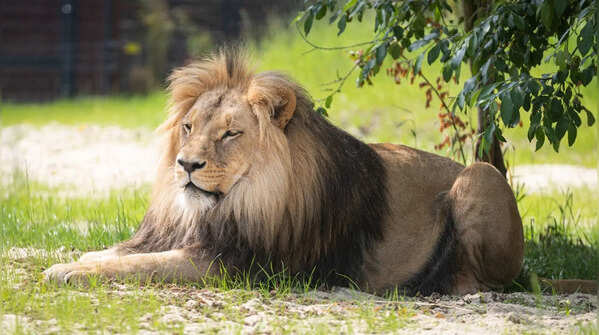
Female lions do most of the hunting
Many people assume the male lion leads the hunt because of its intimidating appearance. In reality, lionesses are usually the main hunters of the pride. They work together in coordinated groups, silently surrounding prey before attacking. Their teamwork is one of the biggest reasons lions are such effective predators.
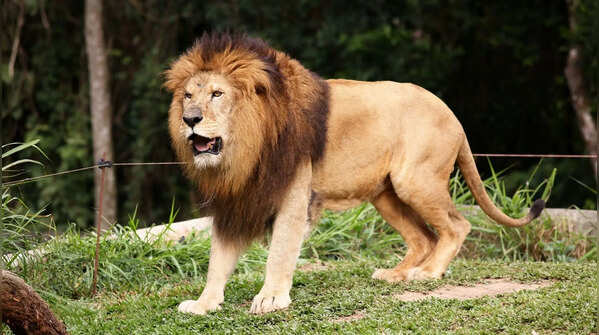
Male lions sometimes kill cubs that are not their own
This is one of the darkest realities of lion behaviour. When a new male lion takes control of a pride, he may kill cubs fathered by another male. Wildlife experts say this happens because females return to breeding sooner after losing cubs. It is a brutal survival strategy seen in the wild.
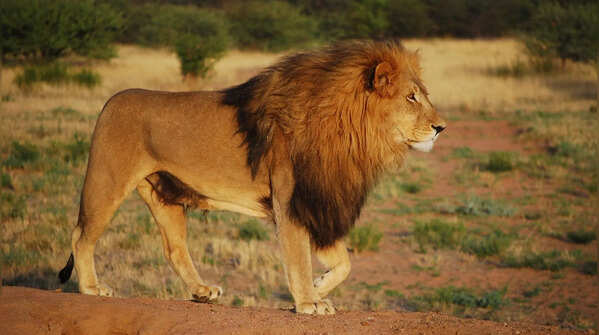
Lionesses raise cubs together like one giant family
Inside a pride, lionesses often help care for each other’s cubs. Cubs may even drink milk from females that are not their biological mothers. This shared parenting system increases the survival chances of young lions in the wild.

Lions can eat over 30 kilograms of meat in one sitting
After a successful hunt, lions eat extremely fast because they often compete with hyenas and other scavengers. An adult lion can consume more than 30 kilograms of meat in a single meal.
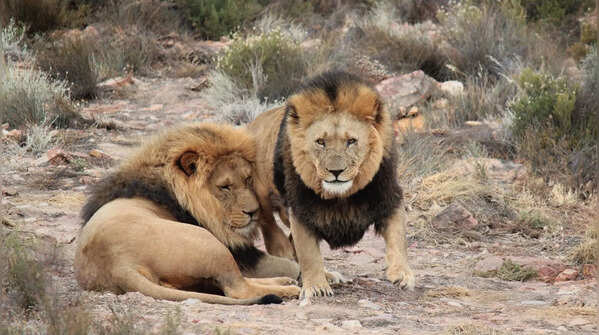
Not all lions have giant manes
The mane of a lion changes depending on age, genetics, temperature, and health. Some lions have dark, thick manes, while others have very little hair around the neck. In hotter regions, shorter manes are more common because they help lions stay cooler.

Lions are one of the few big cats that live in groups
Unlike tigers or leopards, lions are highly social animals. They live in prides that may include multiple females, cubs, and a few males. This social structure helps them defend territory and hunt larger prey more effectively.
Featured In etimes

