
- News
- etimes
- animals-pets
- 7 birds that use Earth's magnetic field to travel the globe
7 birds that use Earth's magnetic field to travel the globe
7 birds that use Earth's magnetic field to travel the globe
There are millions of birds flying under the blue sky in this world. Whatever the weather conditions are, they fly high above in the sky and live their life freely. Beneath their effortless flight, however, is one of nature's greatest mysteries: a biological GPS that is invisible. As per the World Animal Foundation, these flyers work on the sixth sense, in contrast to humans who depend on satellites and screens.
They are able to locate themselves with astounding accuracy over thousands of miles by sensing the faint pull of Earth's magnetic field. These seven amazing species transform the entire planet into a mapped highway, whether traversing vast oceans or dense forests.
Blackcap
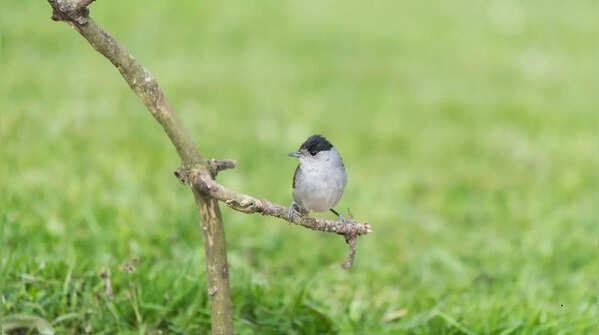
Blackcaps are well known to scientists for their changing migration patterns. Many used to fly to the Mediterranean for the winter. Some have now started flying to the UK. This change is part of their genes; young Blackcaps get a sort of guide from their parents, they tell them which direction to fly on their solo trip, and Blackcaps follow this guide to find their way.
PC: World Animal Foundation
Bobolink
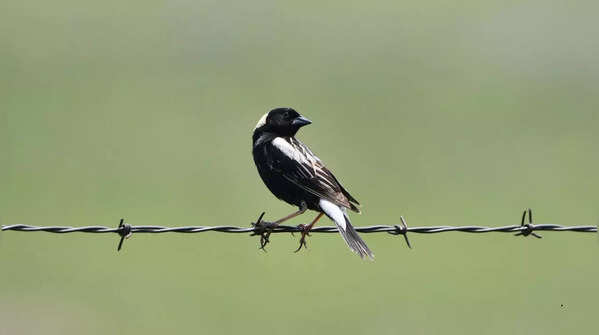
The Bobolink bird goes on a long trip every year. It flies from North America to South America, and again which is over 12,000 miles. What is really cool about Bobolink is that they have tiny things in their nose called iron-oxide crystals. These tiny things are also in the tissues around the nerves that help them smell.
This special thing helps Bobolink navigate when they fly. They can tell when the magnetic fields around them change, even if it is a little bit. This helps them when they cross the equator. A lot of birds that migrate get confused when they cross the magnetic equator, but not the Bobolink.
PC: World Animal Foundation
White-Crowned Sparrow
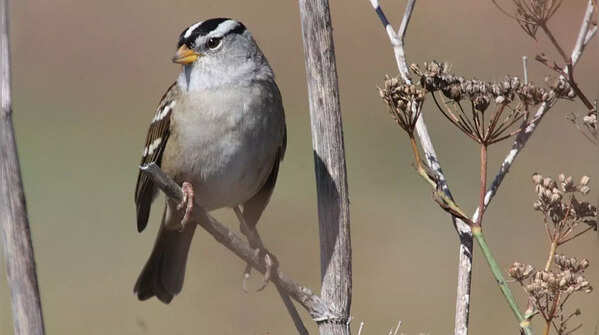
These sparrows are amazing because they can stay awake for two weeks when they are migrating. When these sparrows migrate, their bodies do not feel sleepy. Their brains are very focused on the magnetic cues around them. The sparrows use something called a star compass. They also have a magnetic backup so they can keep moving in the right direction, which is north towards the Canadian breeding grounds where the sparrows go to have babies. This helps the sparrows even when they are flying through bad weather or when they are in cities that the sparrows do not know.
PC: World Animal Foundation
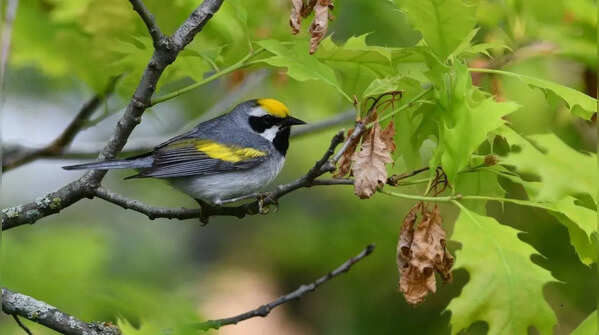
Garden Warbler
The Garden Warbler cannot see landmarks when it is dark, so it has to use something to help it find its way. The Garden Warbler uses the Earth's field to know where it is going. The Earth's magnetic field hits the Earth at an angle, and the Garden Warbler uses this angle to figure out how far south the Garden Warbler has gone.
PC: World Animal Foundation
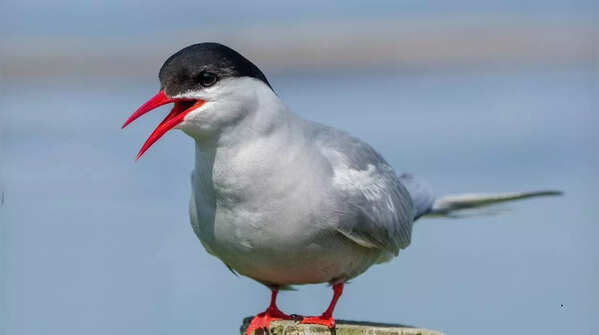
Arctic Tern
Chasing endless summer, the Arctic Tern migrates from the top of the world to the bottom and back each year. To survive this 25,000-mile journey across open oceans, they depend on magnetoreception. This internal magnetic sense serves as a backup GPS when thick clouds or fog block the sun and stars, helping them stay on course over the Atlantic.
PC: World Animal Foundation
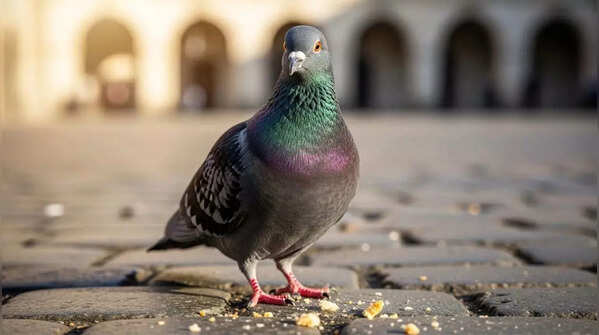
Racing Pigeon
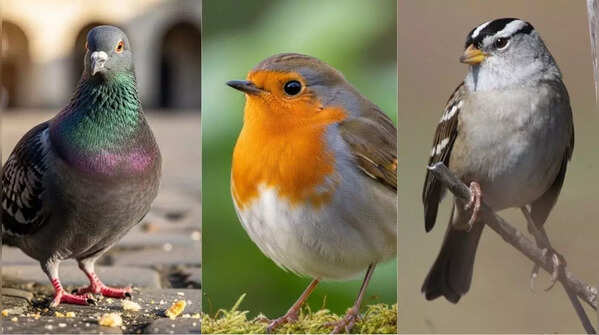
These pigeons can return to their lofts from hundreds of miles away, making them the unquestionable masters of homing. They use a multisensory map for navigation, using a "solar compass" for direction and a "magnetic map" for position. According to recent studies, their beaks' tiny, iron-rich nerve endings function as sensitive magnetometers that enable them to sense the pull of the planet.
PC: World Animal Foundation
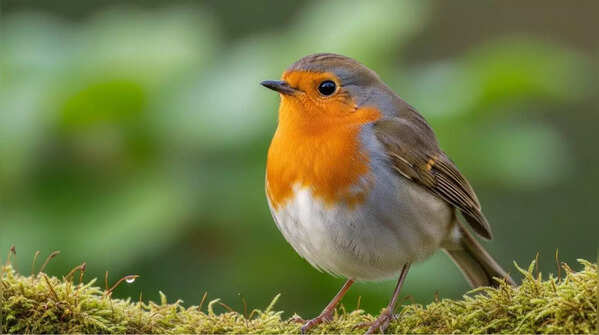
European Robin
The European Robin possesses a fascinating biological "quantum compass." Scientists believe specialised proteins in their eyes, called cryptochromes, allow them to literally visualise Earth's magnetic lines as shades of light and dark. This "augmented reality" vision helps these iconic orange-breasted songbirds navigate from northern forests to warmer wintering grounds with incredible precision, proving their eyes are for more than just spotting worms.
PC: World Animal Foundation
Featured In etimes

