
- News
- etimes
- animals-pets
- 5 common signs that your dog is in pain (and what to do about it)
5 common signs that your dog is in pain (and what to do about it)
5 common signs that your dog is in pain (and what to do about it)
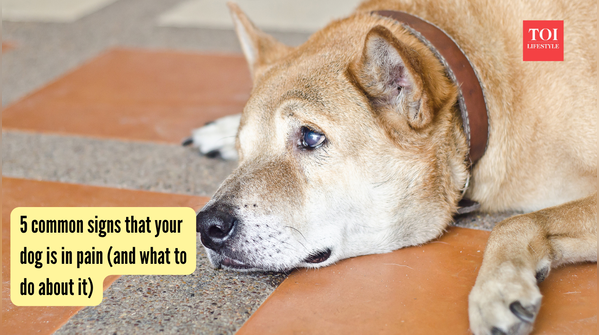
Dogs are amazing companions who love us unconditionally, but there's one thing they can't do—they can't tell us when they're hurting.
Unlike humans, who can say "I'm in pain," dogs instinctively hide their discomfort, which makes it challenging for pet parents to even identify when something is wrong. This is why understanding the signs of pain in dogs is so important for every dog owner.
Pain in dogs can come from many sources, such as injuries, arthritis, dental problems, digestive issues, or underlying health conditions. The good news is that dogs show us when they're in pain through changes in their behaviour, body language, and daily habits. Knowing these warning signs can help you act quickly and get your furry friend the care they need.
Here are a few signs to identify when your dog might be experiencing pain:
Notice a changed voice, heavy breathing or panting
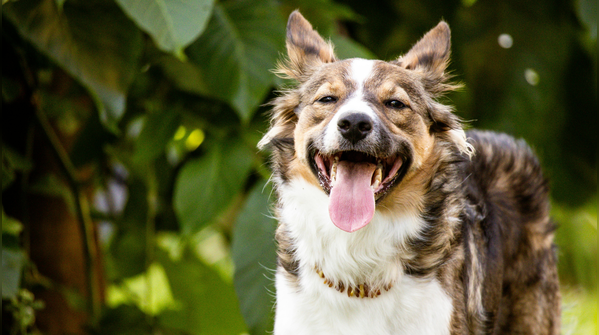
When dogs are in pain, they tend to be more vocal than usual. A hurt dog may express their pain through whining, whimpering, yelping, growling, or even howling. These sounds are your dog's way of communicating that something is wrong.
Heavy breathing or shallow panting, even when your dog is at rest, is another common sign of pain. An increased heart rate and bloodshot eyes can also indicate discomfort. If any of these signs are visible in your furry friend, pay attention and contact your vet.

Watch for changes in behaviour and mood
Your dog's behavior is one of the clearest indicators of pain. If your normal, friendly dog suddenly becomes withdrawn, hides, or avoids interaction, they may be in pain. Common behavioral changes include a lack of interest in playing, walking, or going outside, and a lack of energy.
They might stop greeting you at the door or showing excitement for their favorite activities. Your dog may also become irritable, growl, or snap when touched, even if they're usually affectionate. Excessive licking of a specific area, panting heavily at rest, or restlessness and pacing are also signs. If you notice these changes, contact your vet immediately.
Check for physical signs like limping and stiffness
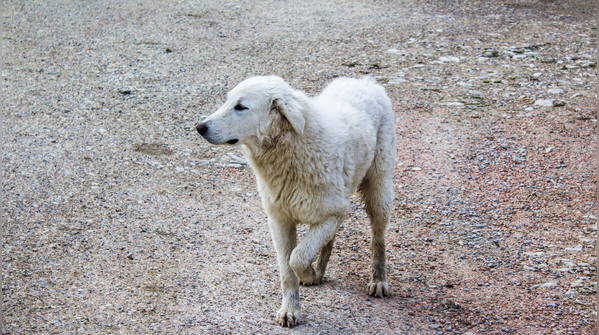
Physical signs of pain are often easier to spot, especially if your dog is normally active. Limping, a slower walk than normal, or refusal to walk are clear signs. Your dog may show reluctance to lie down or difficulty getting up from a resting position. They might struggle to jump on furniture, use stairs, or climb into the car. Arthritis and joint pain often cause stiffness, especially in the morning. Swelling of paws, legs, or face and difficulty eating or chewing are physical signs you should never ignore.

Contact your vet immediately
If your dog is showing signs of pain, the most important step is to contact your vet as soon as possible. Do not try to treat your dog at home using human painkillers, which can be extremely dangerous and even fatal. Your vet will diagnose the underlying cause and prescribe safe treatment, which may include medication or addressing the root problem. While your dog is recovering, keep them calm and limit their movement.
Carefully monitor appetite and eating habits
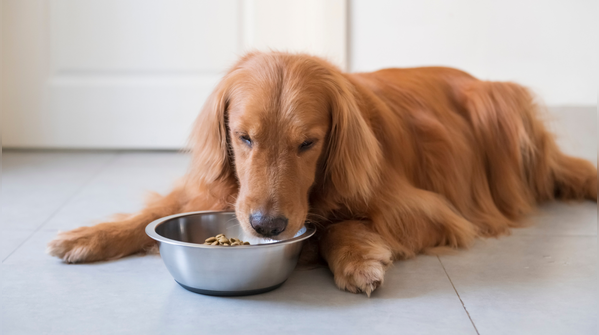
A sudden loss of appetite, especially in a dog that usually enjoys food, is a common indicator of pain. Difficulty chewing, eating slower than usual, or dropping food while eating can mean your dog has mouth pain or dental issues.
Changes in water consumption, drinking significantly less or more than normal, can also signal health problems. If your dog's appetite suddenly changes or you notice any form of inappetence, seek veterinary advice immediately.
Featured In etimes

