
- News
- 5 birds in the wild that can change gender
5 birds in the wild that can change gender
5 birds in the wild that can change gender
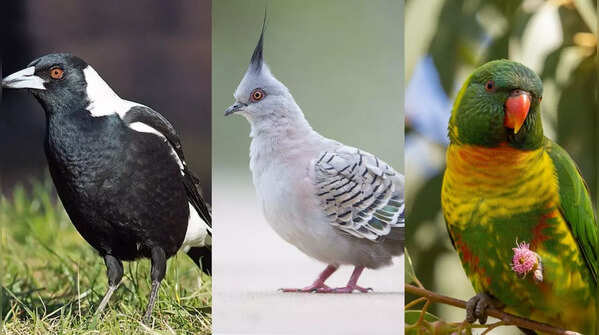
Something unusual is happening out in the wild in Australia. Some birds are genetically one sex but look and act like the other. Scientists looked at five species: the Australian magpie, laughing kookaburra, crested pigeon, rainbow lorikeet, and scaly-breasted lorikeet. Around 5% of the birds sampled had a mismatch between their chromosomes and their physical traits. Experts call this sex reversal. It seems even in nature, things don’t always follow the rules we expect. The discovery could change how wildlife managers track populations, study breeding, and plan conservation strategies.
PC: Canva created
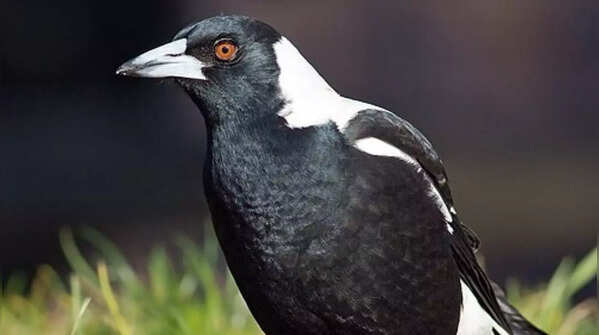
Australian magpie
The Australian magpie is everywhere in eastern Australia. Males and females often look almost the same. That makes it tricky to tell them apart. Researchers found that some genetically female birds had male features. Even common species can surprise you. People might have assumed a bird was male. But DNA showed otherwise. These rare mismatches could subtly change how we think about magpie behaviour and breeding in the wild.
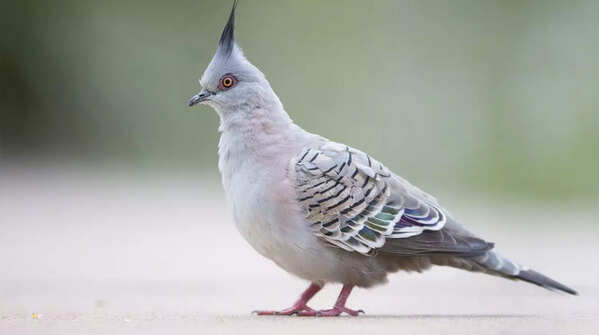
Crested pigeon
Crested pigeons showed a similar pattern. Both genetic males and females sometimes had opposite physical traits. These cases are rare but consistent enough to matter. Wildlife experts say ignoring sex-discordant birds could skew population estimates or sex ratios. Even a few mismatched birds might affect how we understand reproduction. It seems that crested pigeons, though familiar, aren’t as straightforward as we once thought.
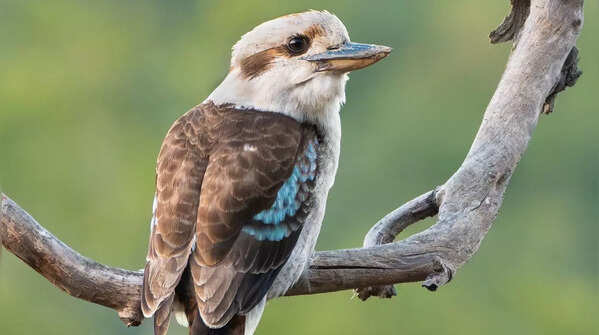
Laughing kookaburra
The laughing kookaburra, famous for its distinctive call, also had cases of sex reversal. Some females were presenting as males. Scientists say this could change how we understand breeding behaviour. If a bird’s sex isn’t obvious, counting mates or nesting success becomes trickier. Even species we think we know well can behave unexpectedly. There seems to be hidden complexity in how these kookaburras interact socially. Appearance alone doesn’t tell the whole story.
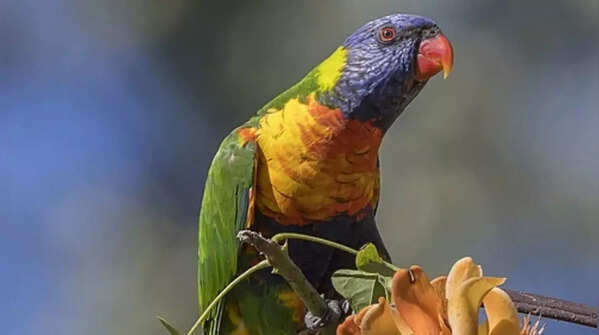
Rainbow lorikeet
Rainbow lorikeets are bright, social, and very noticeable. Yet a few females were showing up as males. Observers might have assumed they were dominant males in the flock. But genetics said otherwise. This could influence mating behaviour and social hierarchies. Sex-discordant birds might play unexpected roles in group dynamics or breeding outcomes. Researchers are starting to wonder if these birds act differently during courtship or competition.
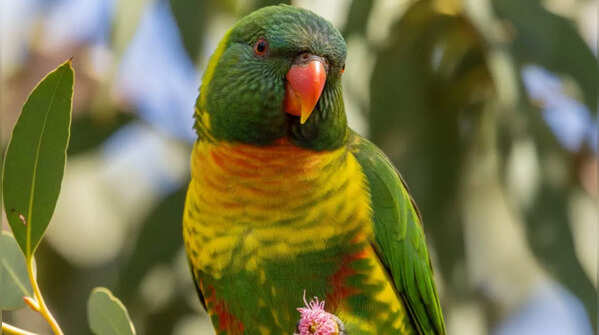
Scaly-breasted lorikeet
Scaly-breasted lorikeets showed the same thing. Some birds didn’t match their physical and genetic sex. Experts say this proves sex reversal happens naturally, not just in domestic birds. The phenomenon could affect reproduction and population growth, though the exact effects aren’t clear yet. Across all five species, sex development can be surprisingly flexible. It seems the more we look, the more nature surprises us.

