
- News
- etimes
- animals-pets
- 10 rare and extraordinary animals you will only find in Kenya
10 rare and extraordinary animals you will only find in Kenya
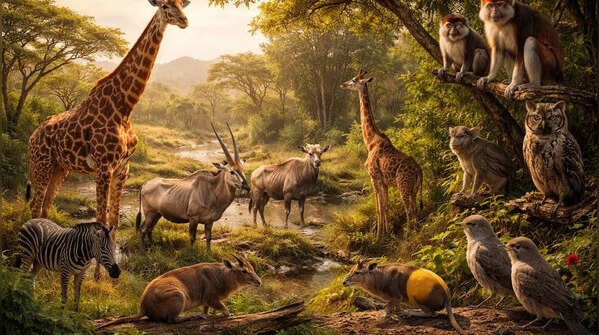
10 rare and extraordinary animals you will only find in Kenya
The imagery of the country involves the traditional safari expeditions involving the beautiful savannah, lions roaming around, and huge elephants making their way across the land. But this represents just the start of the biodiversity found in Kenya, where there is a whole host of other rare animal species living in these regions whose existence has a lot to do with the identity of Kenya itself.
Beyond the iconic wildlife, Kenya’s ecosystems support lesser-known species that are equally important for ecological balance. These animals often go unnoticed but play crucial roles in maintaining biodiversity and sustaining the health of their natural habitats.
The reason behind this is the fact that these different kinds of species have managed to evolve to suit particular ecosystems and become a unique part of the country itself. Many of these animals have also been listed in various conservation registries like the IUCN Red List.
PC: AI-Generated
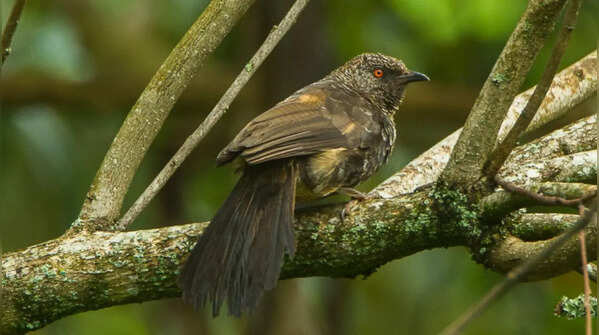
Hinde’s babbler
The Hinde’s Babbler is a social bird that resides in central Kenya. It lives in colonies and always uses sounds and body movements to communicate with one another. Unlike other birds that reside in the forest, this bird lives in scrublands and farmlands. Habitat destruction and alterations in land usage have led to the decline in numbers of this bird, making conservation efforts, habitat protection, and community awareness increasingly important to ensure its survival in the wild.
PC: Wikipedia
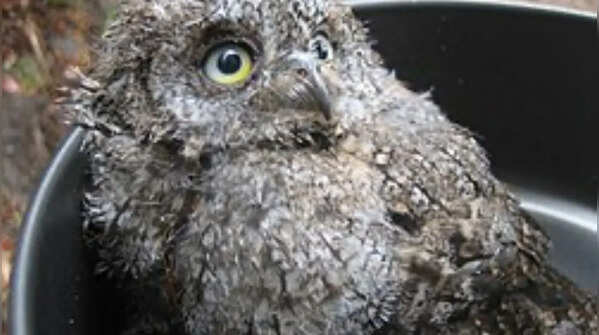
Sokoke scops owl
The Sokoke Scops Owl is a very small species of bird that is unique to the forests along the coast of Kenya. It is known for being quite elusive due to its colouration, which allows it to blend in with its environment. It is highly dependent on forest habitats, which are becoming endangered.
PC: Wikipedia
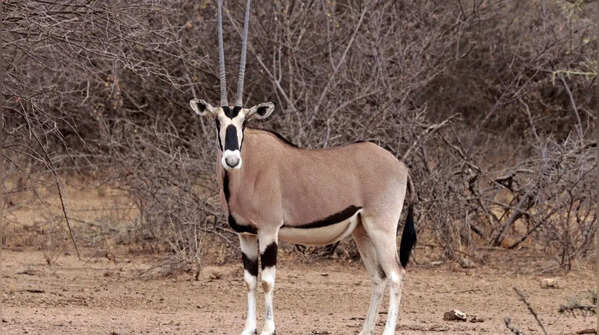
Beisa oryx
Beisa oryx has evolved to live comfortably in the dry climate of Kenya. The animal has long horns and a white coat that make it beautiful and robust. The animal does not need water for prolonged periods of time, as it can draw water from vegetation, which helps it thrive under tough conditions where other animals would not be able to survive.
PC: Wikipedia
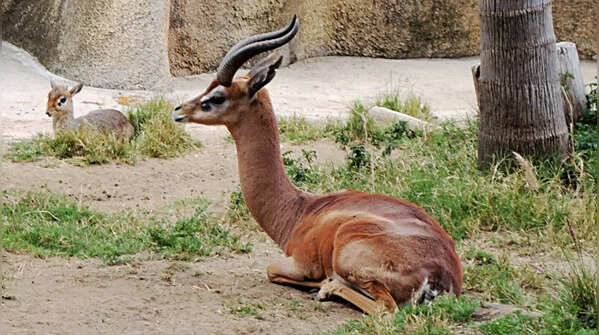
Gerenuk
Gerenuks are among the most extraordinary members of the Antelope family, characterised by their unusually long necks and their ability to stand erect using only their hind legs. The gerenuk uses this unique ability to obtain food inaccessible to other animals. It inhabits arid areas of Kenya and has evolved to thrive in conditions with limited water availability.
PC: Wikipedia
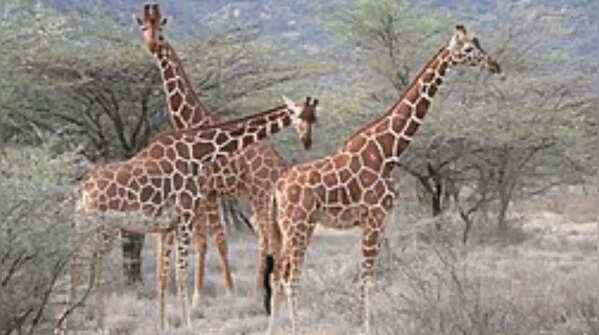
Reticulated giraffe
The geometrically patterned giraffe is instantly recognisable from its other cousins due to the net-like patterns on its body. The animal can be found mainly in the northern parts of Kenya, where it thrives in the dry savannas of the region. Due to its distinctiveness, it has come to symbolise the uniqueness of the fauna of the region.
PC: Wikipedia
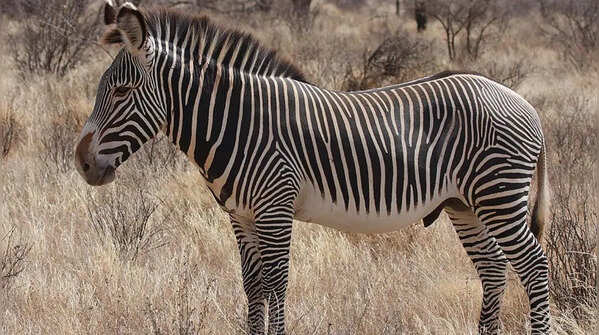
Grevy’s zebra
Grevy’s zebra is unique compared to other zebras because of its thin stripes and bigger size. The zebra is found in the northern parts of Kenya and is common in dry and semi-dry areas. While other zebras cannot live in such harsh conditions with scarce water sources, Grevy’s zebra has adapted to survive in these challenging terrains.
PC: Wikipedia
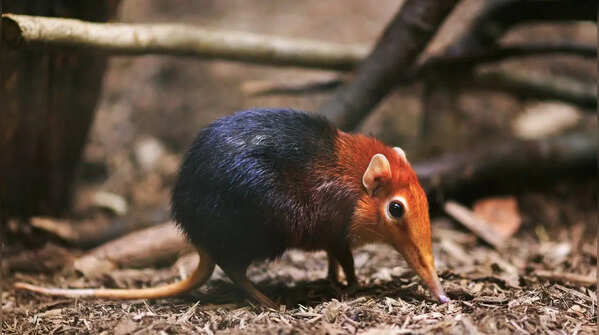
Golden-rumped elephant shrew
Although its name suggests otherwise, the golden-rumped elephant shrew has little genetic resemblance to a shrew. This is a swift creature that is commonly found in the coastal regions of Kenya. While its unique golden patch can be used for identification purposes, its swiftness enables it to protect itself from any predatory attack. Unfortunately, due to loss of habitat, the population of this animal has drastically declined.
PC: Wikipedia
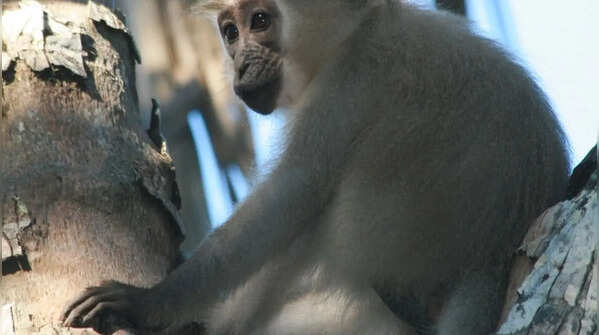
Tana river mangabey
The other endangered primate that shares the same environment as the red colobus is the Tana River mangabey. This primate species is very social, spending most of its time searching for food and interacting with others. However, due to their reliance on their forest environment, they become threatened when there are changes in the surrounding environment.
PC: Wikipedia
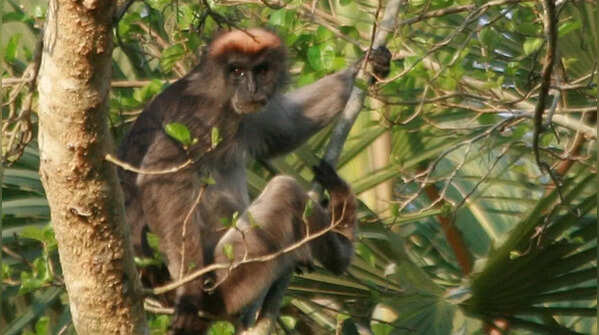
Tana river red colobus
The Tana River Red Colobus Monkey is an interesting-looking primate, characterised by its reddish coat and expressive features. The animal inhabits the tropical rainforests near Kenya’s Tana River only, thus having a highly restricted distribution range. They depend much on particular trees for sustenance and protection. Since the deforestation rate is rising, their dwindling numbers are under threat.
PC: Wikipedia
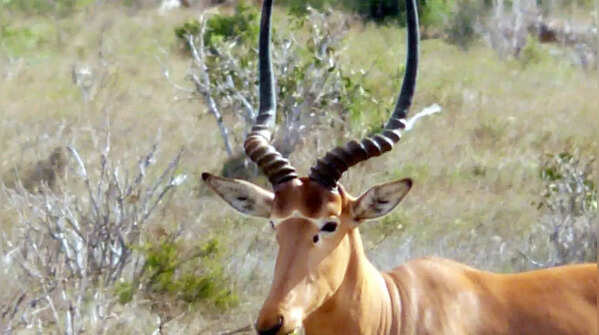
Hirola
It is known as being one of the rarest antelopes in the world since it inhabits only one small area in Kenya/Somalia. It is endangered due to the huge drop in numbers. It is unique because there is no other species left from this genus. If the hirola becomes extinct, this whole evolutionary line will disappear for good.PC: Wikipedia
Featured In etimes

