- News
- entertainment
- tamil
- movies
- From 'Kuttrapathirikai' to 'Parasakhti, 'Jana Nayagan': A history of censorship in Tamil political cinema
Trending
From 'Kuttrapathirikai' to 'Parasakhti, 'Jana Nayagan': A history of censorship in Tamil political cinema

Indian film censorship, enforced by the CBFC, aims to maintain societal harmony and national integrity, often impacting films on politics, religion, and history. Recent controversies with 'Jana Nayagan' and 'Parasakthi' highlight public resistance and legal battles over political themes. Past struggles with films like 'Kuttrapathirikai' and 'Gypsy' underscore the ongoing debate between artistic expression and regulation.
Recent controversies surrounding 'Jana Nayagan ' and 'Parasakthi '
Earlier struggles: The censor battles of Tamil cinema
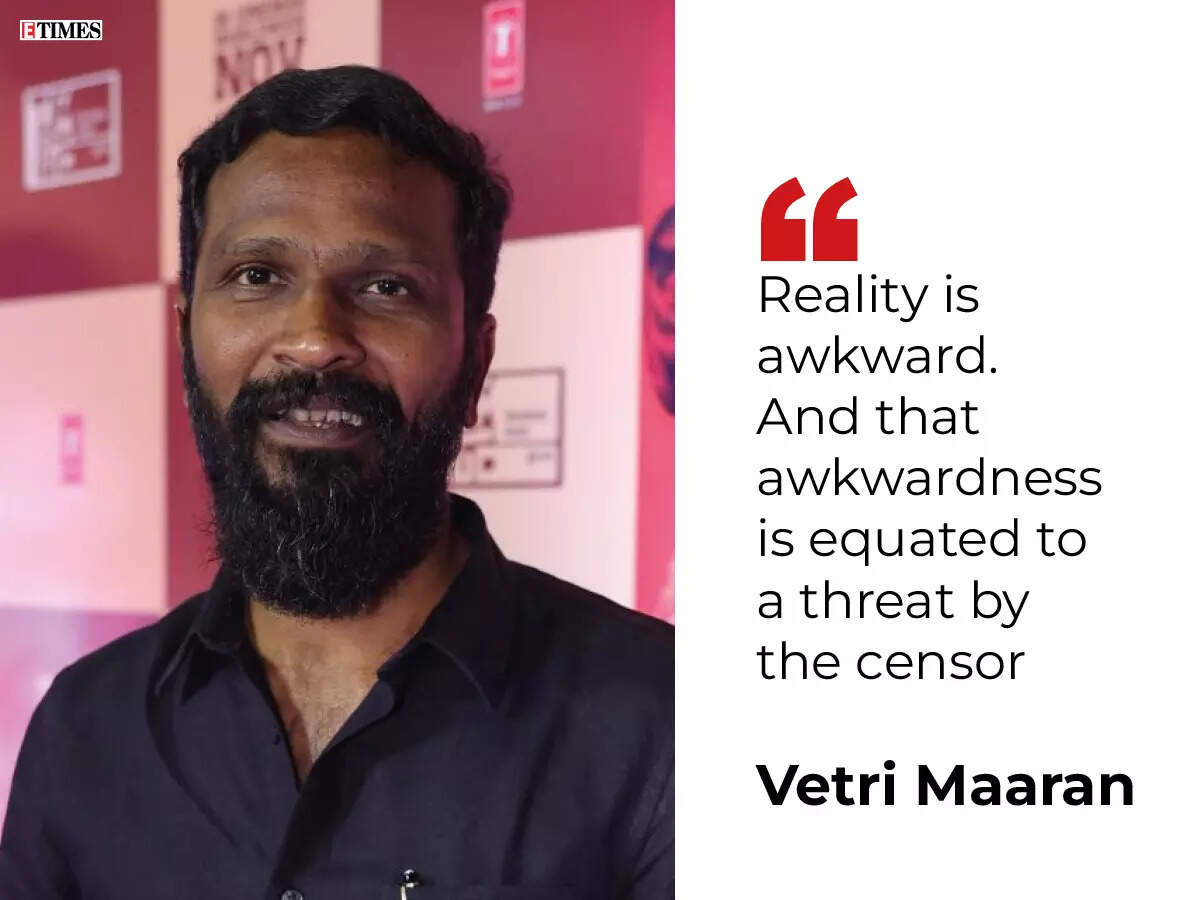
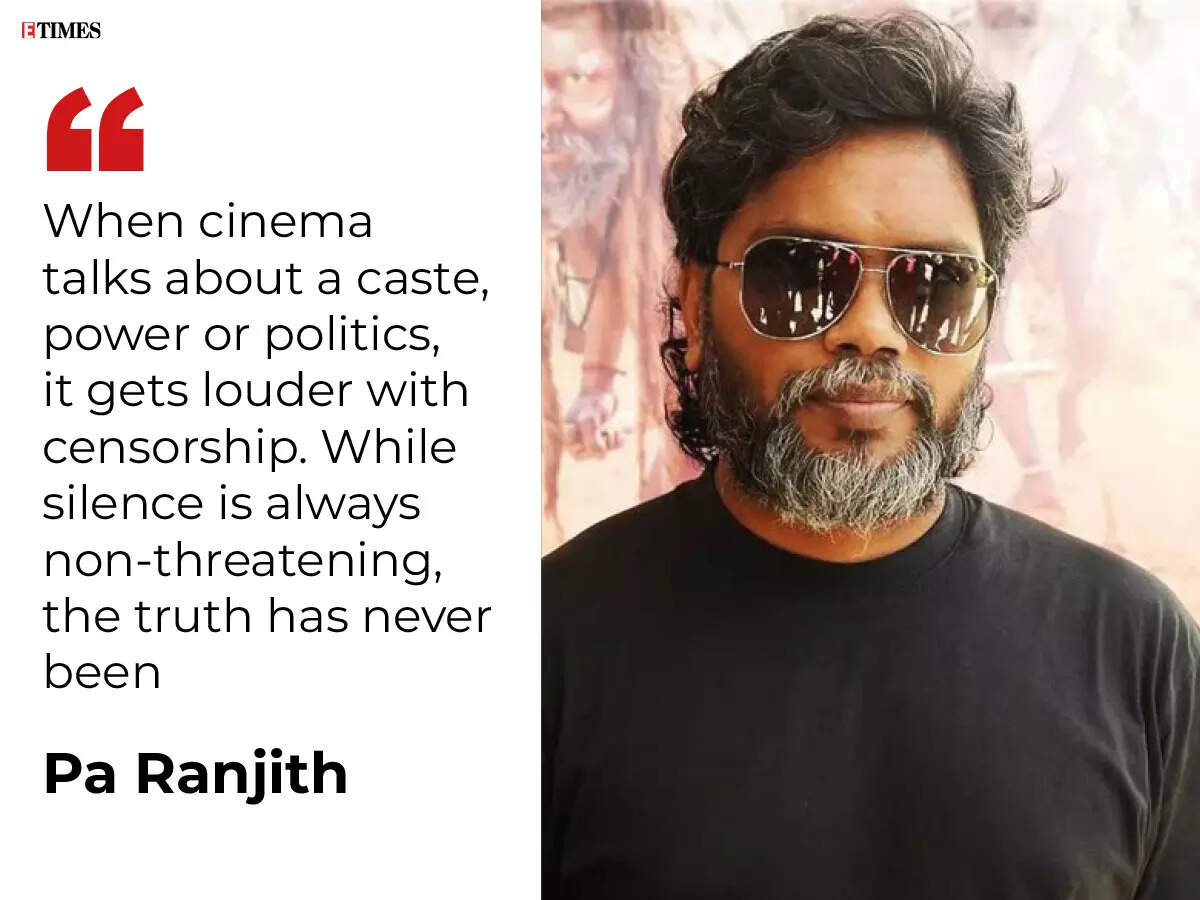

A continuing debate on art and regulation

About the AuthorTOI Entertainment Desk
End of Article
Follow Us On Social Media
Tired of too many ads?go ad free now
entertainment videos
Featured In Movies

Tired of too many ads?go ad free now



Hot on the Web
Akshaye KhannaGolden Globe Awards 2026Emraan HashmiBigg Boss Marathi Contestants ListGolden Globes Winners ListPlatoLargest City Of IndiaBaby Girl NamesMakar Sankranti WishesThe Raja Saab Movie ReviewParasakthi CollectionBaby NamesViral VideoMukesh BhattSreeleelaIkkis Box Office CollectionSandeep Reddy VangaJana Nayagan MovieThe Raja Saab Box Office CollectionRailway Stations FoodsOptical illusionSolar Eclipse 2026SivakarthikeyanTu Meri Main Tera Main Tera Tu MeriLal KothiDhurandhar Movie CollectionPreetisheel SinghParasakthi Movie CollectionDhurandhar Movie ReviewMarine DriveWilliam ShakespeareBirds Sleep With One Eye OpenDon't Throw Away Aquarium Water8th January In HistoryTiny Ancient CreatureLongest Venomous King CobraNorthern LightsRichest Men In The WorldMost Punctual Airlines In The WorldMakar Sankranti 2026Tips To Keep Home Warm Without Heater
Trending Topics
Latest MoviesBollywood MoviesHollywood MoviesTamil Movies 2025Telugu Movies 2025Malayalam Movies 2025Kannada Movies 2025Marathi Movies 2025Bengali Movies 2025Top Rated Movies 2025Best Hindi MoviesBest English MoviesBest Telugu MoviesBest Tamil MoviesBest Malayalam MoviesBest Kannada MoviesBest Bengali MoviesUpcoming Hindi MoviesBest Movies Of All TimeBest Hindi Movies of All TimeLatest English MoviesLatest Malayalam MoviesEnglish TV NewsTamil TV NewsTelugu TV NewsMalayalam TV NewsKannada TV NewsMovie ReviewsBhojpuri Cinema NewsGujarati Cinema News
Popular Categories
Viral NewsK Pop NewsWeb Series NewsAnime NewsUpcoming English MoviesUpcoming Tamil MoviesUpcoming Telugu MoviesUpcoming Malayalam MoviesUpcoming Kannada MoviesFashion TipsTravel NewsEntertainment NewsBollywood NewsTollywood NewsKollywood NewsMollywood NewsFood NewsLatest Hindi MoviesLatest Tamil MoviesParenting TipsHome RemediesWeight LossBeauty TipsParenting TipsHindi VideosHindi Video SongsBhojpuri Music VideosLatest Telugu MoviesBhojpuri Music VideoHindi TV News
Latest News
Lauren Jauregui looks back at the viral reaction to her surprising DWTS eliminationAmal Neerad announces ‘Bachelor Party D'eux’, a sequel to his 2012 filmTamil Nadu: Keeladi weavers used indigo to dye clothes, finds new studyAll angel numbers and their meanings and why they matter spiritually'TN will remain single-party state': No coalition govt, says minister Periyasamy as DMK rejects Congress demand for power sharingGold price prediction today: Why are gold prices rallying & what's the next level to watch out for? Top points to know2026 Tata Punch launch tomorrow: Everything you need to knowSee Beyond Sugar: Why eye health is critical in Diabetes careHimachal Pradesh’s Arki market blaze: 8-year-old dies, several feared trapped in Solan; SDRF joins rescue effortsMaharashtra local body polls: Will NCP factions come together? Ajit Pawar, Supriya Sule don’t rule it outSaudi Arabia arrests nearly 19,000 illegal residents, deporting over 10,000 in one weekRani Mukerji completes 30 years in cinema; says, 'Still that nervous girl standing in front of the camera for first time'How BM Birla Heart Hospital is structuring integrated cardiac care in IndiaBasketball Nationals: Railways do the doubleHow new-age schools are helping parents raise curious and resilient childrenOwen Cooper net worth: How rich is 16-year-old winner of Golden Globe, Emmy, Critics Choice Awards?From politics to martial arts: Pawan Kalyan becomes first Samurai from Andhra PradeshShekhar Suman shares 'rare photo' with Sanjay Dutt, Amitabh Bachchan