- News
- entertainment
- marathi
- movies
- Marathi cinema can give any other film industry a run for their money, says producer Akshay Bardapurkar
Trending
This story is from April 28, 2022
Marathi cinema can give any other film industry a run for their money, says producer Akshay Bardapurkar
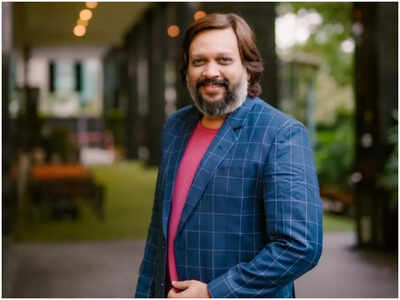
Producer Akshay Bardapurkar is confident that his latest film Chandramukhi will woo the audiences with it’s granduer. It’s a trend he hopes to push for all Marathi films of the future as he wants to see Marathi films make a global impact. In an exclusive chat with ETimes, the young producer lays down the changes and reforms that he wants to see in Marathi cinema.
Chandramukhi with Amruta Khanvilkar and Addinath Kothare has got lots of reactions on social media. How did this project come about?
Chandramukhi has an extremely large canvas that was mounted fantastically by Prasad Oak and his team. If the buzz generated by the trailer is anything to go by, we’ll stay hopeful about the prospects of the film.
This film happened because of Amruta Khanvilkar. If she hadn’t got this project to me I wouldn’t have got the chance to produce a film like this. I feel everything in this industry boils down to destiny. You have to be present at the right place and at the right time. This film wasn’t an easy one to make, with so many big names involved and with the pandemic raging on, closure of theatres, it was a never ending process. I am happy that we are just a few days away from the release and finally the audience will be able to watch Chandramukhi sizzle in theatres.
As a young producer, how is your approach to production and acquisition in Marathi cinema different?
As of now my focus is on new age content, and foraying into making projects at par with world cinema. The film has to look global wherein the old style of film making has to undergo a complete change. I believe, Marathi cinema is by far the best in the world. What the industry requires is backing from producers who can give the project its required attention, be it funding or technical know-how. I am looking forward to extending both.
What factors influence your decision of backing a movie? Is it your gut feeling for the story or does the business acumen lead the way?
Honestly, its a combination of both, but there’s another important factor too. Perhaps its the most important one. It matter who I am working with and whether our energies focus, whether our vision matches. If that’s missing, even a project like Titanic would fail for me. Its of prime importance to know who is the key driving factor behind the film. Once that is clear, I think the entire universe comes together and irrespective of whatever difficulties come about, the universe ensures that the project is executed successfully.
What do you feel defines the DNA of Marathi cinema?
Marathi films or Maharashtrians are simple per se. We can say being simple is in their DNA. It doesn’t matter if they’re rich, affluent, intelligent, you might not find any pomp in them. Bollywood tends to have a “me” factor, but the Marathi industry generally functions on a "we" factor. That’s the basic difference between these two sister industries. In my opinion most of the best film makers in India are Maharashtrians. But their simplicity acts as a disadvantage and they miss that instinct of taking the world head-on. We don’t have enough good producers backing these filmmakers either. We make great films but we miss essential processes like branding and packaging, which is why a good film doesn’t reach the masses. The Marathi industry doesn’t believe in packaging and making their content appear larger than life. I also feel we haven’t been able to move out of the shadow of television and those who want to come out don’t get backed up by budgets. It's a vicious circle and that is exactly what I want to break with my company Planet Marathi. We want to break this DNA and create good talent, stories, branding, marketing ideas and package our films and content as best as possible. Even a bad chocolate will get sold out if its wrapped beautifully. In our case, we are creating world class content and its a matter of time when this DNA breaks and we emulate what the Kannada industry or Telugu industry have managed to do.
What sort of changes have you already tried to bring in to the Marathi industry?
Everything about my approach is new and contemporary. To take the Marathi industry outside into a fresh new world we have taken up new measures, which have already become talk of the town. Indulging in branding new ideas, creating new talent, promoting the talent, going to social media was important. We have successfully achieved all this. We have signed up with Madhuri Dixit and associated with brands like Filmfare. We’ve created a niche in the world of IPs. It’s a process that I call, completing the ecosystem.
A lot of Marathi films are adapted from novels, plays or biopics, so they have strong source material. What do you feel contemporary stories in Marathi cinema lack that they aren’t able to rake in big business like other film industries in India?
Our film makers find themselves fixated with what I call tried and tested formulae. If a book or a novel was successful, our filmmakers quickly make a beeline to adapt them into screenplays. Maharashtra has always had a dedicated love for literature and plays, hence our filmmakers find it safe to execute established literary pieces in todays world. But that’s a trend prevalent in Bollywood, too. Films like Bhaag Milkha Bhaag, 83 and even the web series Scam 1992, were all based on bestsellers.
I am acquainted with so many VFX and post production executives who have made big Hollywood films sitting in bylanes of Mumbai, Nagpur and Marathwada. If they can make Hollywood sizzle why not our own Marathi films? We have to break away from our comfort zone and try different things. We need to experience the vague and we need to experiment. Perhaps a few of those efforts will fail, but the day one of those experiments works out, the Marathi industry will become unstoppable.
What are your thoughts on the new voices of the Marathi industry and how can they be groomed to tell universal stories?
We need more brave film makers, and we need more producers who can give a free hand to film makers. If that doesn’t happen we will see a massive brain drain and lose out to big OTT platforms.
In order to make universal stories we first need to upgrade our film industry’s software. Until that happens, our beautiful content will remain caged and it wont travel at all. I feel every producer should be wary of that and provide freedom rather than grooming.
What do you think the Marathi industry can do better, going ahead?
The day we create our own Baahubali, our own KGF, RRR or a Kabir Singh, we’ll proudly be able to say that we have graduated. For now, we are not even close to those films, simply because of our will and lack of vision. Cinema and music know no bounds. We are able to enjoy South Korean films and shows but why aren't Korean people watching Marathi films?
That’s because we make films for ourselves and not for a global audience. The day we attach a third eye to ourselves, we will realize where the world has reached. Our single point agenda should be to make global Marathi films, because we have all the talent in the world. Our filmmakers, actors and scripts can give any other film industry around the world a run for their money. Our primary aim should be to give wings to our film makers and raise the bar of our content.
End of Article
FOLLOW US ON SOCIAL MEDIA








Photostories
Tired of too many ads?go ad free now
entertainment videos

Featured In Movies
Tired of too many ads?go ad free now
Popular Categories
Trending in Entertainment
Latest MoviesBollywood MoviesHollywood MoviesTamil Movies 2024Telugu Movies 2024Malayalam Movies 2024Kannada Movies 2024Marathi Movies 2024Bengali Movies 2024Top Rated Movies 2024Best Hindi MoviesBest English MoviesBest Telugu MoviesBest Tamil MoviesBest Malayalam MoviesBest Kannada MoviesBest Bengali MoviesUpcoming Hindi MoviesBest Movies Of All TimeBest Hindi Movies of All Time
Trending in Etimes
Amazon Forest AnimalsChina Unique AnimalsWalnut BenefitsLemon Growing TipsSky Force MovieBarron TrumpEisha SinghIndependent ChildLow Maintenance FlowersDeepika PadukoneSaif Ali KhanParambrata ChatterjeeUnique AnimalsSamantha Ruth PrabhuOptical illusionKangana RanautRubina DilaikRashmika MandannaKrushna Abhishek
Trending in TV
Trending in Lifestyle
Trending in Regional
Movie Reviews
Upcoming Hindi Movies
Upcoming Regional Movies
Latest News
3 Directions After Braun Strowman Was Decimated by Jacob Fatu at WWE Saturday Night’s Main EventAIonOS partners Indosat to boost AI growth in IndonesiaNasdaq slumps on Chinese AI upstart, Nvidia loses some $400 billion in valueHow China's Deepseek sent shockwaves in American stock market, wiping out billions from market cap of tech superstarTrain services to be affected due to bridge re-girdering work in ChennaiJunaid Khan says people don't think Aamir Khan can have such a grown up son: ' I look so different...'Shocking! Man refuses ₹2 crore; govt builds motorway around his houseBudget 2025: Nasscom calls for measures to boost deep tech and startup growthBigg Boss 18 fame Shilpa Shirodkar looks cheerful as she video calls Chum Darang and Karan Veer Mehra, says "Friendship Forever"State assembly member Jenifer Rajkumar running for NYC public advocateAfghanistan women’s team set to take the field after 2021Vinod Kambli's wife Andrea Hewitt on why she didn't divorce him despite domestic abuse: I realised he'd be helpless if I leavePunjab health minister orders comprehensive power and fire safety audits in healthcare facilitiesMicrosoft gaming CEO Phil Spencer may have 'good news' for Nintendo Switch 2 fansRobert F Kennedy Jr's famous name and controversial views collide in his bid for top health jobTwo teens die in road accident near TirukoilurAllu Arjun's 'Pushpa 2' gets an official OTT release date, but disappoints Hindi fansMyth or reality: Carrot juice increases hair growth like a magic potion?
Other Group Sites -
ETimes is an Entertainment, TV & Lifestyle industrys promotional website and carries advertorials and native advertising.