- News
- entertainment
- malayalam
- movies
- 'My ultimate aim is to make Malayalam movies'
Trending
This story is from October 14, 2015
'My ultimate aim is to make Malayalam movies'
Resul Pookutty, who was in the city recently, speaks to Kochi Times about his next step as a movie maker and more
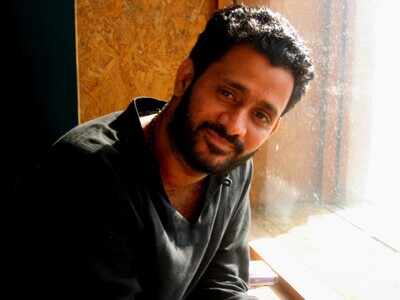
Resul Pookutty—the name that ‘sounds’ Malayali to the core is revered and recognised across the world.
The Oscar-winning sound designer has enough achievements in his career, but the film student in him is still thirsty for more expeditions in the world of cinema.
Resul who was in the city recently, speaks to Kochi Times about how he approaches projects, his next step as a movie maker and more:
Your Oscar win changed the way people perceived sound design in India
 And I get messages on my social media page like ‘I am going to watch a movie because of you,’ et al. We were a nation that understood sound so well, to its deepest meaning, and today we have forgotten it all. However, I am very happy as a craftsman that things are improving, especially among youngsters.
We also have huge sound design talent in Kerala, West Bengal and Odisha. The quality of education, awareness to support cinema, technical skills and strong background in science are the factors helping the people here excel in it. However, I often cringe hearing the poor quality of Malayalam in our dubbing. I really wish we spoke our language better and should understand its importance.
Despite being an Oscar winner, you seem to work with a lot of newcomers as well. What do you look for, when you sign a film?
I want to feel some passion behind a new project and also see whether the story moves me. The sanctity of literature or cinema is that it has the power to change you. If you look at my filmography, you can see that I have worked with the best of veterans, independent movie makers and newcomers. I learn a lot from the new crop too and love their energy. I don’t look for anything more and I know I will find my space.
You want to make people experience sound, but isn’t most of your effort lost in the screening limitations of our theatres?
Of course! There aren’t any barriers between the creativity of writers, painters or sculptors, and their audiences. This is not the case in filmmaking; and it’s quite saddening. I walk into our theatres and I start crying, it is sad to that extend.
We sit in ISO certified rooms and mix films, expecting every theatre to follow the same standard and create the same environment. The technician would want the audience to experience the image or sound, just as he visualised it. But, I think only 30 to 40 per cent of it is reaching the audience as most theatres are not standardised and the routine quality checks are hardly done. More than 90 per cent of the projection cinema in this country is below standard.
Earlier, there was only one film, and one image. Now, an image shot, edited and put together can be seen in five or six formats. With the advent of digital technology, we as practitioners thought our audience in the villages and metros would watch the same quality of images, unlike the days in which scratchy prints did the rounds in rural cinemas.
However, contrary to expectations, digital technology has compartmentalised and brought in various levels of standardisation. We don’t have a single standard format for pictures and sounds. All multiplexes enjoy a lot of tax benefits. The licenses are, however, issued on the basis of civil norms.
The quality of the picture and sound, the primary aspects of any cinema viewing are not taken into consideration and there is no norm that says they should have a certain standard. Europe follows the British projection manuals; French cinema follow the French and American cinema follows the American projection manuals. In India, we don’t know what we are following. We have plush seats, beautiful lounges, popcorn counters, nachos and colas, but cinema viewing is the last priority, because more money is made out of the rest.
How do you propose to change it?
We, film technicians belonging to groups like the sound association of India, camera association of India, directors’ and producers’ units, are all willing to work in tandem with the government and have the workforce and know-how. Soon after I won the Oscars, I did Pazhassi Raja and there were reports that people made a ruckus in theatres as they couldn’t hear the voices properly. At that time, I had given a representation to the cultural minister about the issue, but nothing happened. I don’t think anything would come up soon in the future too. Until and unless theatre licenses have enforceable technical norms, which should be standardised by the industry, I guess the quality will remain the same.
The government, which is taking 50 per cent of entertainment tax, isn’t doing much in return. At least, give us an enforceable law, that’s their job. If you can’t or don’t have the expertise, ask us, the practitioners who understand the business and art.
Have you ever felt that the ‘Oscar-winner’ tag is a burden?
Before every release, my stress levels go up as I am expected to outperform with every movie. I don’t get compliments easily though I crave it. There is a line in the latest movie, Pathemari that goes, “Nammalokke Vazhi Vetti kodutha aalkaaranu. Pinnale varunnavar pettannu nadannu poikollum (We are those who paved the way and those following us surge ahead better).’ It summarises my situation as well (smiles).
Any updates on your upcoming directorial with Amitabh Bachchan?
I am not in a position to talk about it right now.
Why is your debut film in Hindi and not Malayalam?
I picked Hindi because the language suits the subject of this movie and I can’t imagine anyone other than Bachchan as its hero. That said, it is a universal subject and you can expect an update on the movie soon.
The ultimate aim, however, is to make movies in my language, Malayalam. I don’t have command over any other language but my mother tongue, in which my instincts are expressed best. Mammukka and I have been discussing movies since 1997. Recently too I threw an idea at him and he loved it. I am developing that too.
Was filmmaking always a dream for you?
I have been living my life as a film student. It is the many films I saw in Kerala that urged me to direct movies. I got to see various kinds of cinema, and I know I want to die as a filmmaker. I became a sound man, but the interest to make movies persist.
The Oscar-winning sound designer has enough achievements in his career, but the film student in him is still thirsty for more expeditions in the world of cinema.
Resul who was in the city recently, speaks to Kochi Times about how he approaches projects, his next step as a movie maker and more:
Your Oscar win changed the way people perceived sound design in India
Today people are writing about how good or bad sound is in films.
We also have huge sound design talent in Kerala, West Bengal and Odisha. The quality of education, awareness to support cinema, technical skills and strong background in science are the factors helping the people here excel in it. However, I often cringe hearing the poor quality of Malayalam in our dubbing. I really wish we spoke our language better and should understand its importance.
Despite being an Oscar winner, you seem to work with a lot of newcomers as well. What do you look for, when you sign a film?
I want to feel some passion behind a new project and also see whether the story moves me. The sanctity of literature or cinema is that it has the power to change you. If you look at my filmography, you can see that I have worked with the best of veterans, independent movie makers and newcomers. I learn a lot from the new crop too and love their energy. I don’t look for anything more and I know I will find my space.
You want to make people experience sound, but isn’t most of your effort lost in the screening limitations of our theatres?
Of course! There aren’t any barriers between the creativity of writers, painters or sculptors, and their audiences. This is not the case in filmmaking; and it’s quite saddening. I walk into our theatres and I start crying, it is sad to that extend.
We sit in ISO certified rooms and mix films, expecting every theatre to follow the same standard and create the same environment. The technician would want the audience to experience the image or sound, just as he visualised it. But, I think only 30 to 40 per cent of it is reaching the audience as most theatres are not standardised and the routine quality checks are hardly done. More than 90 per cent of the projection cinema in this country is below standard.
Earlier, there was only one film, and one image. Now, an image shot, edited and put together can be seen in five or six formats. With the advent of digital technology, we as practitioners thought our audience in the villages and metros would watch the same quality of images, unlike the days in which scratchy prints did the rounds in rural cinemas.
However, contrary to expectations, digital technology has compartmentalised and brought in various levels of standardisation. We don’t have a single standard format for pictures and sounds. All multiplexes enjoy a lot of tax benefits. The licenses are, however, issued on the basis of civil norms.
The quality of the picture and sound, the primary aspects of any cinema viewing are not taken into consideration and there is no norm that says they should have a certain standard. Europe follows the British projection manuals; French cinema follow the French and American cinema follows the American projection manuals. In India, we don’t know what we are following. We have plush seats, beautiful lounges, popcorn counters, nachos and colas, but cinema viewing is the last priority, because more money is made out of the rest.
How do you propose to change it?
We, film technicians belonging to groups like the sound association of India, camera association of India, directors’ and producers’ units, are all willing to work in tandem with the government and have the workforce and know-how. Soon after I won the Oscars, I did Pazhassi Raja and there were reports that people made a ruckus in theatres as they couldn’t hear the voices properly. At that time, I had given a representation to the cultural minister about the issue, but nothing happened. I don’t think anything would come up soon in the future too. Until and unless theatre licenses have enforceable technical norms, which should be standardised by the industry, I guess the quality will remain the same.
The government, which is taking 50 per cent of entertainment tax, isn’t doing much in return. At least, give us an enforceable law, that’s their job. If you can’t or don’t have the expertise, ask us, the practitioners who understand the business and art.
Have you ever felt that the ‘Oscar-winner’ tag is a burden?
Before every release, my stress levels go up as I am expected to outperform with every movie. I don’t get compliments easily though I crave it. There is a line in the latest movie, Pathemari that goes, “Nammalokke Vazhi Vetti kodutha aalkaaranu. Pinnale varunnavar pettannu nadannu poikollum (We are those who paved the way and those following us surge ahead better).’ It summarises my situation as well (smiles).
Any updates on your upcoming directorial with Amitabh Bachchan?
I am not in a position to talk about it right now.
Why is your debut film in Hindi and not Malayalam?
I picked Hindi because the language suits the subject of this movie and I can’t imagine anyone other than Bachchan as its hero. That said, it is a universal subject and you can expect an update on the movie soon.
The ultimate aim, however, is to make movies in my language, Malayalam. I don’t have command over any other language but my mother tongue, in which my instincts are expressed best. Mammukka and I have been discussing movies since 1997. Recently too I threw an idea at him and he loved it. I am developing that too.
Was filmmaking always a dream for you?
I have been living my life as a film student. It is the many films I saw in Kerala that urged me to direct movies. I got to see various kinds of cinema, and I know I want to die as a filmmaker. I became a sound man, but the interest to make movies persist.
End of Article
FOLLOW US ON SOCIAL MEDIA









entertainment videos

Featured In Movies
Popular Categories
Entertainment NewsBollywood NewsTollywood NewsKollywood NewsMollywood NewsMovie ReviewsLatest Hindi MoviesLatest Tamil MoviesMX PlayerParenting TipsHome RemediesWeight LossBeauty TipsParenting TipsHindi VideosHindi Video SongsBhojpuri Music VideosLatest Telugu MoviesBhojpuri Music VideoHindi TV News
Trending in Entertainment
Latest MoviesBollywood MoviesHollywood MoviesTamil Movies 2024Telugu Movies 2024Malayalam Movies 2024Kannada Movies 2024Marathi Movies 2024Bengali Movies 2024Top Rated Movies 2024Best Hindi MoviesBest English MoviesBest Telugu MoviesBest Tamil MoviesBest Malayalam MoviesBest Kannada MoviesBest Bengali MoviesUpcoming Hindi MoviesBest Movies Of All TimeBest Hindi Movies of All Time
Trending in Etimes
Horoscope TodayNumerology Predictions TodayKamala HarrisRobert F Kennedy JrBarron TrumpElon MuskAnna Paulina LunaJustin TrudeauTrump Town Hall Key TakeawaysInternational Day of PeaceDonald TrumpSNL 50 SeasonKamala HarrisSituationship TipsUsha UthupRelationship TipsSean Diddy CombsMiley CyrusJennifer Lopez
Trending in TV
Trending in Lifestyle
Trending in Regional
Movie Reviews
Yudhra ReviewJo Tera Hai Woh Mera Hai ReviewKahan Shuru Kahan Khatam ReviewHis Three Daughters ReviewNever Let Go ReviewDancing Village: The Curse Begins ReviewTransformers One ReviewFirst Love ReviewBerlin ReviewThe Buckingham Murders ReviewSpeak No Evil ReviewVisfot ReviewThalapathy Is The G.O.A.T ReviewRebel Ridge Review
Upcoming Hindi Movies
Upcoming Regional Movies
Latest News
Delhi CM’s statement highlights loyalty dilemma in Indian partiesShivani Sharma talks about the rapid growth of regional'No bunker needed in J&K': Amit Shah says nobody in Pakistan has guts to open fireHrithik Roshan SPOTTED filming intense action sequences for 'WAR 2' in Italy - WATCHKarnataka CM Siddaramaiah warns of legal action against those spreading fake newsMakers of ‘Get Set Baby’ drop a new poster on Unni Mukundan’s birthdayLucky numbers for September 22 to September 28: Your weekly fortunate number revealedUP: Muslim 'healer' arrested for sexually assaulting teen girlThe truth about sugar substitutes: Safe alternative or hidden health risk?Malaysian police arrest hundreds in child abuse probeAryan Khan or dad Shah Rukh Khan, who wore this lather jacket better?Why Rahul Gandhi is off the mark when it comes to SikhsNavya Nanda attends event in Mumbai, poses with Karisma Kapoor and Ananya PandaySatyapal Malik says Maharashtra polls ‘last nail in BJP’s coffin’, backs MVABest anti-ageing workouts for strength and flexibilityPalanpur tea seller's son gets into IIM RanchiCM Dhami promises boost for sports at State Olympic Games in RudrapurYour daily career horoscope: 24th September 2024
Other Group Sites -
ETimes is an Entertainment, TV & Lifestyle industrys promotional website and carries advertorials and native advertising.