- News
- entertainment
- malayalam
- movies
- Mollywood bets big on raw talent to steal the show
Trending
This story is from August 21, 2017
Mollywood bets big on raw talent to steal the show
Be it Thondimuthalum Driksakshiyum, Angamaly Diaries, Kammattipaadam, Aanandam or Action Hero Biju, the raw acting talent of the newcomers stole the show and also gave the movies a fresh appeal
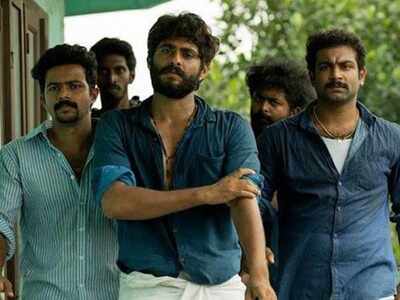
Be it Thondimuthalum Driksakshiyum, Angamaly Diaries, Kammattipaadam, Aanandam or Action Hero Biju, the raw acting talent of the newcomers stole the show and also gave the movies a fresh appeal.

Banking on the trend, more films are now gearing up with new talent in the industry – the latest being Vinu Joseph’s Rosapoo, which has about 140 new characters, who were roped in after a casting process that lasted close to two months.
So, what makes the directors increasingly spend more time and effort on casting? Director Dileesh Pothen says that both his films – Maheshinte Prathikaaram and Thondimuthalum Driksakshiyum – had four levels of auditions before the actors were finalised.
“I believe that the priority should be on conveying the film’s story, rather than on stars. That’s why we ensure that the actors fit perfectly into the structure and subject of the movies. Whether they are from the film industry or not is immaterial,” he says.
The director also says that it’s not often easy to find the people who suit the characters from the limited pool of talent in Mollywood, which comes up with close to 140 films a year.
The major advantage of casting newcomers, Kammattipaadam director Rajeev Ravi says, is that it helps break the stereotypical performances that the audience is used to or expect from a director, especially with a constant set of actors being chosen for various characters.
Concurring with Rajeev, Dileesh says, “When you cast a known face, people start comparing their current character to their previous roles, and keep guessing. That process totally vanishes from the minds of the audience if it’s a newcomer.”
The trend has also brought about an extended pre-production period – that involves multiple auditions and also acting workshops.
Director Vinu says that his team has put in nearly two months for choosing the 140 plus characters in the film. “We had auditions in Chennai, Kochi and Kozhikode. We wanted people from different cultures and different languages and were particular that the people chosen fit the bill,” says the director.
His search, though, was not just limited to auditions. “We even picked people from the streets as their mannerisms were what was required for the characters we had in mind,” says Vinu, adding that he hopes at least 35 of these newcomers will make it big in the film industry.
Authenticity is another factor that fresh faces, who don’t necessarily have an acting background, bring in. While Lijo Jose Pellissery’s next, set against the backdrop of a fishing town, will have a host of villagers from such a town, director Prajesh Sen’s upcoming sports biopic Captain has almost 125 footballers as part of the cast.
“It’s much easier to teach players to act than actors to play,” says Prajesh, who selected the cast from 2,000 footballers who had auditioned from Kerala, Karnataka and Goa, over a period of four months. Apart from the players, Captain will also have villagers as themselves in the film.
On how newcomers add value to films, Prajesh says, “I believe there are two ways of making a movie – cinematic or natural. For the latter, if you cast established actors, they start acting rather than behaving. It takes away that realistic feeling and setting, which newcomers lend as they can successfully make the audience believe they are locals in a village tea shop.”
The main purpose of the acting workshops held for new actors, point out directors, is to make them more confident. Dileesh says, “Our acting camps were hardly two days long and were held just to make the cast let go their fears of facing the camera.”
While casting raw talent does help in making movies realistic to an extent, Rajeev says that the onus still is on the filmmakers to use their skills to bring out what’s best for the movie. “Also it would plug the shortage of supporting actors in Mollywood,” he concludes.
End of Article
FOLLOW US ON SOCIAL MEDIA
Visual Stories









Photostories
Featured In Movies

Popular Categories
Entertainment NewsBollywood NewsTollywood NewsKollywood NewsMollywood NewsMovie ReviewsLatest Hindi MoviesLatest Tamil MoviesMX PlayerParenting TipsHome RemediesWeight LossBeauty TipsParenting TipsHindi VideosHindi Video SongsBhojpuri Music VideosLatest Telugu MoviesBhojpuri Music VideoHindi TV News
Trending in Entertainment
Latest MoviesBollywood MoviesHollywood MoviesTamil Movies 2024Telugu Movies 2024Malayalam Movies 2024Kannada Movies 2024Marathi Movies 2024Bengali Movies 2024Top Rated Movies 2024Best Hindi MoviesBest English MoviesBest Telugu MoviesBest Tamil MoviesBest Malayalam MoviesBest Kannada MoviesBest Bengali MoviesUpcoming Hindi MoviesBest Movies Of All TimeBest Hindi Movies of All Time
Trending in Etimes
Horoscope TodayNumerology Predictions TodayWalz Vs VanceJD VanceKamala HarrisPopulated Indian CitiesAlcohol Cancer RiskNational Boyfriend Day 2024Sunita WilliamsDepression RiskNepal FloodBarbra StreisandSnoring Prevention TipsDonald TrumpMagnesium DeficiencyRelationship TipsLake Michigan DiscoveryRelationship TipsEkadashi in October 2024
Trending in TV
Trending in Lifestyle
Trending in Regional
Movie Reviews
Binny And Family ReviewLove, Sitara ReviewWill & Harper ReviewWolfs ReviewYudhra ReviewJo Tera Hai Woh Mera Hai ReviewKahan Shuru Kahan Khatam ReviewHis Three Daughters ReviewNever Let Go ReviewDancing Village: The Curse Begins ReviewTransformers One ReviewFirst Love ReviewBerlin ReviewThe Buckingham Murders Review
Upcoming Hindi Movies
Upcoming Regional Movies
Latest News
Kolkata’s Ganga ghats transform into a hub of rituals with the arrival of DurgaNavratri Will Be Luckiest for These Signs5 corporate employees share their workplace horror storiesNeelam Kothari speaks out against ageism says 'aunties' label is uncoolYouTube Shorts extends duration to 3 minutesWill join NCP (SP) with supporters, says BJP leader Harshvardhan PatilInsider Claims Nick Sirianni Plays 'Madden' with Eagles, While AJ Brown Is Celebrated as Jalen Hurts' Savior'We spoke about it and ...': What Trump said on wife Melania backing abortion rights in new memoirTDP welcomes SC's ruling on SIT to probe Tirupati laddu adulterationJannik Sinner not 'comfortable' as doping case clouds Shanghai campaignKolkata shoppers flood markets ahead of Durga Puja weekend rushCongress leader urges West Bengal governor to act against politicians for polarizing votersWWE Throwback: Shawn Michaels retires with a heartfelt speech after losing the “Career vs Streak” matchSupreme Court dismisses pleas seeking review of sub-classifications in SC reservation judgmentCoin Master free spins and coins for 4 October, 2024: Earn million of coins using today’s link'Disappointing, condemnable but not ... ': India on fugitive Zakir Naik's Pakistan visitTechnological advancements have revolutionized cancer treatment, say doctorsPakistan seals off capital, suspends internet ahead of rally by Imran Khan's supporters
Other Group Sites -
ETimes is an Entertainment, TV & Lifestyle industrys promotional website and carries advertorials and native advertising.