- News
- entertainment
- malayalam
- movies
- Lighter colours for Fahadh’s next
Trending
This story is from January 7, 2016
Lighter colours for Fahadh’s next
Fahadh Faasil’s upcoming film Monsoon Mangoes has been grabbing the attention of viewers for its vibrant colours and settings
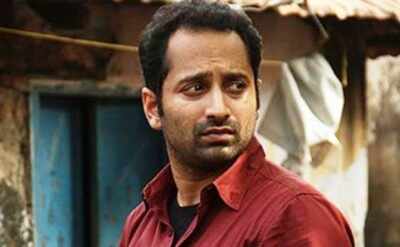
What seems to have appealed to the audience the most though is its warm colour tones, which its director Abi Varghese reveals, were deliberately chosen. “We were very specific from the pre-production stage that we use lighter colours such as orange, yellow and salmon.

The movie is shot extensively in New Orleans, USA, and that’s one of the reasons why it has a hue that is rarely used in Malayalam cinema. “Monsoon Mangoes is not one of those stories set in Kerala, telling a traditional story. But still, I wanted the audience to relate to it,” he explains. The selection of palettes extended to the settings and also the apparel. “Even Fahadh’s costumes throughout the film are light hued because I wanted him to be likeable,” says the Akkarakazchakal creator. On how they went about it, Abi says, “We were strict about avoiding a lot of colours, for instance, violet. That made the process easy for the cinematographer and production designer as they knew which colours to steer clear from.”
The film had a largely international crew that Abi had collaborated with for many short films and the TV series Brown Nation. “I grew up with them. We did a lot of work together, so we are a small but tightly-knit group,” says Abi. The team was as diverse as it gets. “We had a Polish cinematographer, a Mexican art director and Spanish sound designer, and all of them came together to make a Malayalam movie. After working in this film, it’s clear to me that the world of cinema brings people closer.”
So how did the Malayalam cast and crew fit in? “It took them some time to get used to it,” he explains. “For example, I needed to explain everything twice – once to the Malayalis and then to the English crew. We also had two versions of the scripts. But after the first couple of days, both teams gelled well and it was fun filming.”
End of Article
FOLLOW US ON SOCIAL MEDIA
Visual Stories







Photostories
entertainment videos
Featured In Movies

Popular Categories
Entertainment NewsBollywood NewsTollywood NewsKollywood NewsMollywood NewsMovie ReviewsLatest Hindi MoviesLatest Tamil MoviesMX PlayerParenting TipsHome RemediesWeight LossBeauty TipsParenting TipsHindi VideosHindi Video SongsBhojpuri Music VideosLatest Telugu MoviesBhojpuri Music VideoHindi TV News
Trending in Entertainment
Latest MoviesBollywood MoviesHollywood MoviesTamil Movies 2024Telugu Movies 2024Malayalam Movies 2024Kannada Movies 2024Marathi Movies 2024Bengali Movies 2024Top Rated Movies 2024Best Hindi MoviesBest English MoviesBest Telugu MoviesBest Tamil MoviesBest Malayalam MoviesBest Kannada MoviesBest Bengali MoviesUpcoming Hindi MoviesBest Movies Of All TimeBest Hindi Movies of All Time
Trending in Etimes
Horoscope TodayNumerology Predictions TodayWalking BenefitsBreast Cancer DiagnosisYung Filly Rape CaseTaylor Rousseau GriggBelly FatSean Diddy CombsOzempic PersonalityDepression RiskBelly Fat LossDurga Visarjan 2024Toxic FriendshipDonald TrumpElon MuskDussehra 2024Durga Ashtami 2024Multitasking TipsSaraswati Visarjan 2024
Trending in TV
Trending in Lifestyle
Trending in Regional
Movie Reviews
Binny And Family ReviewLove, Sitara ReviewWill & Harper ReviewWolfs ReviewYudhra ReviewJo Tera Hai Woh Mera Hai ReviewKahan Shuru Kahan Khatam ReviewHis Three Daughters ReviewNever Let Go ReviewDancing Village: The Curse Begins ReviewTransformers One ReviewFirst Love ReviewBerlin ReviewThe Buckingham Murders Review
Upcoming Hindi Movies
Upcoming Regional Movies
Latest News
Internship scheme: 193 companies post over 90,000 slots on portalApplications for new power connections among services moved exclusively onlineInfosys to no longer send job offer letters and attachments, the company will ...Sara Arfeen Khan opens up about converting to Islam; says, 'I read all holy books and attended a lot of religious debates before converting'Amitabh Bachchan, Rambha, Khushboo and others check in on Govinda after gun misfire incident - ExclusiveCops on unusual hunt: For denturesDiscover 8 animals that suck blood for survivalHappy Dussehra 2024: Top 50 Wishes, Messages, Images and Quotes to Share with Your Loved OnesFortified-food plan faces questions from two PM panel membersCould Tyreek Hill Return to the Chiefs? Cryptic Posts Fuel Trade SpeculationForex reserves drop $3.7 billion in week, most since start of AugustAshton Kutcher and Mila Kunis consider leaving Hollywood amid Sean 'Diddy’ Combs' arrest fallout: ReportHow Green is your car?Robert Gronkowski Reacts to His Hilarious Impression in FX's American Sports Story: Aaron HernandezIf Rahul Gandhi fails to deliver, INDIA bloc may make LoP post rotational: BJP‘Kallanum Bhagavathiyum’: The Vishnu Unnikrishnan and Mokksha starrer is set to get a sequelAlia Bhatt, Bipasha Basu, Rhea Chakraborty and others seek blessings at Kajol and Rani Mukerji's Durga Puja pandal - See photosThane: Man dies in brawl over torn Rs 50 note
Other Group Sites -
ETimes is an Entertainment, TV & Lifestyle industrys promotional website and carries advertorials and native advertising.