- News
- entertainment
- malayalam
- movies
- Jude Anthany Joseph: I had tears when a stranger hugged me in appreciation for 2018
Trending
This story is from May 24, 2023
Jude Anthany Joseph: I had tears when a stranger hugged me in appreciation for 2018
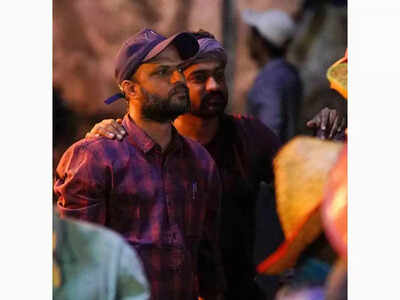
Speak about converting his ‘pain’ into art and how. Jude Anthany Joseph’s 2018 - Everyone Is A Hero, about the Kerala floods, has been creating records at the box office. But while Jude is loving that, he tells us that he has been overwhelmed by people’s emotional reaction to the film. At theatres, he has witnessed everything from “tears, cheers and applause”. Excerpts from the interview…
2018 will go down in Kerala history as the year of almost Biblical-standard floods. And the stories - the tragedy, heroism and humanity - that emerged were stunning. How did you decide to tackle this event?
A friend at an NGO got in touch with me to do a inspirational video on the floods, because people were feeling very bogged down by the events. My house in Athani had been flooded and I’d lost nearly everything - I’d lost my car, my phone was gone leaving us stranded, it was lucky I did not die - so I was not aware of what was happening in the rest of the state. But I sat down and read about it and found the amazing teamwork that had gone into pulling the state out of it. I then wanted to do it as a film that would leave people feeling positive.

Nearly five years. I started working on it since October 2018, and am still working on it, so that when it comes on OTT, people still get the feel of it.
There were hundreds of stories that emerged during the Kerala floods. How did you filter down the stories to the few that went into the movie?
Everyone knew the big stories that appeared in the media. I went into the ‘smaller column’ stories in the papers, of a rescue worker who drowned, missing people and so on. I felt that the film was better told through ordinary people, because I didn’t want to make it like a documentary. I wanted people to connect to it. It was a time when no matter how important a person you were, you became like any other ‘common man’. It was a time when the rich and the poor queued up for food in camps.
Even in the scene where the Army comes to airlift a pregnant woman, it is the guy on the ground who helps, that gets the applause not the rescuers. They are already respected as the wonderful heroes that they are, but I felt that the common man who deserved applause.
There are several subtle messages, on environmentalism, class and other things, in the film. What did you want to convey?
I wanted to convey the beauty of humanity. Everyone makes mistakes, and we must forgive and forget, and let go of negativity. We saw that anyone can lose all they have in a matter of minutes, so let us be happy with each other.
Did the floods change you as a person?
Definitely. I am able to say, ‘okay, leave it’, even to people I might harbour some negativity towards. The floods served to show me my place and just one among this vast humanity, humbled me and made me realise that there are people with bigger issues than me and I should help others.
What has the industry’s and people’s reaction been to you personally?
It has been overwhelming. I feel bad that I am not able to answer the calls of everyone from the industry. I feel extremely happy when people call and tell me that it is good to see that our industry is back on track.
Strangers too, have been coming up and congratulating me. Once a man came up to me on the street, hugged and kissed me and said, ‘you are something else’, and it brought tears to my eyes. It was a moment that was filled with such human feeling.
2018 will go down in Kerala history as the year of almost Biblical-standard floods.
A friend at an NGO got in touch with me to do a inspirational video on the floods, because people were feeling very bogged down by the events. My house in Athani had been flooded and I’d lost nearly everything - I’d lost my car, my phone was gone leaving us stranded, it was lucky I did not die - so I was not aware of what was happening in the rest of the state. But I sat down and read about it and found the amazing teamwork that had gone into pulling the state out of it. I then wanted to do it as a film that would leave people feeling positive.
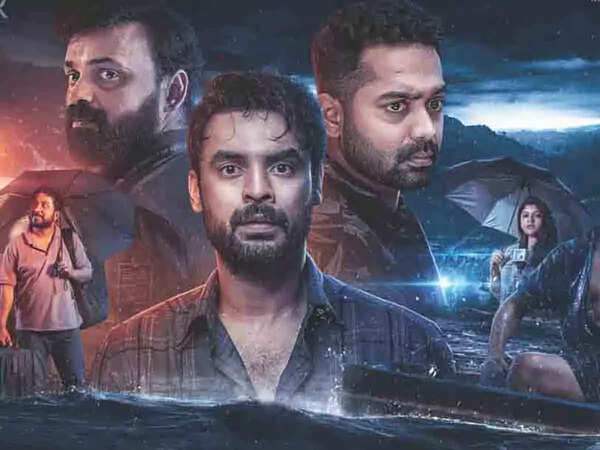
When we spoke previously, you had said that making the film had been a long-drawn-out process. How long did it take you to make?
Nearly five years. I started working on it since October 2018, and am still working on it, so that when it comes on OTT, people still get the feel of it.
There were hundreds of stories that emerged during the Kerala floods. How did you filter down the stories to the few that went into the movie?
Everyone knew the big stories that appeared in the media. I went into the ‘smaller column’ stories in the papers, of a rescue worker who drowned, missing people and so on. I felt that the film was better told through ordinary people, because I didn’t want to make it like a documentary. I wanted people to connect to it. It was a time when no matter how important a person you were, you became like any other ‘common man’. It was a time when the rich and the poor queued up for food in camps.
Even in the scene where the Army comes to airlift a pregnant woman, it is the guy on the ground who helps, that gets the applause not the rescuers. They are already respected as the wonderful heroes that they are, but I felt that the common man who deserved applause.
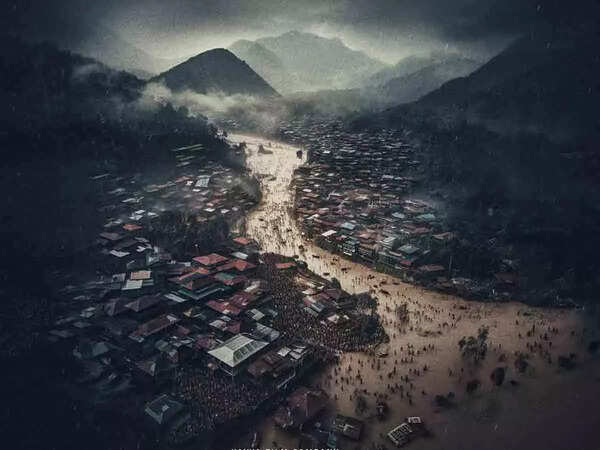
There are several subtle messages, on environmentalism, class and other things, in the film. What did you want to convey?
I wanted to convey the beauty of humanity. Everyone makes mistakes, and we must forgive and forget, and let go of negativity. We saw that anyone can lose all they have in a matter of minutes, so let us be happy with each other.
Did the floods change you as a person?
Definitely. I am able to say, ‘okay, leave it’, even to people I might harbour some negativity towards. The floods served to show me my place and just one among this vast humanity, humbled me and made me realise that there are people with bigger issues than me and I should help others.

What has the industry’s and people’s reaction been to you personally?
It has been overwhelming. I feel bad that I am not able to answer the calls of everyone from the industry. I feel extremely happy when people call and tell me that it is good to see that our industry is back on track.
Strangers too, have been coming up and congratulating me. Once a man came up to me on the street, hugged and kissed me and said, ‘you are something else’, and it brought tears to my eyes. It was a moment that was filled with such human feeling.
End of Article
FOLLOW US ON SOCIAL MEDIA






entertainment videos
Featured In Movies
Popular Categories
Entertainment NewsBollywood NewsTollywood NewsKollywood NewsMollywood NewsMovie ReviewsLatest Hindi MoviesLatest Tamil MoviesMX PlayerParenting TipsHome RemediesWeight LossBeauty TipsParenting TipsHindi VideosHindi Video SongsBhojpuri Music VideosLatest Telugu MoviesBhojpuri Music VideoHindi TV News
Trending in Entertainment
Latest MoviesBollywood MoviesHollywood MoviesTamil Movies 2024Telugu Movies 2024Malayalam Movies 2024Kannada Movies 2024Marathi Movies 2024Bengali Movies 2024Top Rated Movies 2024Best Hindi MoviesBest English MoviesBest Telugu MoviesBest Tamil MoviesBest Malayalam MoviesBest Kannada MoviesBest Bengali MoviesUpcoming Hindi MoviesBest Movies Of All TimeBest Hindi Movies of All Time
Trending in Etimes
Horoscope TodayNumerology Predictions TodayChappell RoanTaylor SwiftUS Presidential Debate Key TakeawaysSpringfield Eating PetsMelania TrumpJoe WilsonVice Presidential DebateMeghan MarkleKamala HarrisDonald TrumpPatriot Day 2024Diabetes RiskHappy Mindfulness Day 2024Trump Vs HarrisJoe JonasPositive Thinking Day 2024Dave Bautista
Trending in TV
Trending in Lifestyle
Trending in Regional
Movie Reviews
Visfot ReviewThalapathy Is The G.O.A.T ReviewRebel Ridge ReviewDetective Conan vs. Kid the Phantom Thief ReviewBeetlejuice Beetlejuice ReviewPad Gaye Pange ReviewA Wedding Story ReviewThe Diary Of West Bengal ReviewTikdam ReviewKinds Of Kindness ReviewAfraid ReviewThe Deliverance ReviewBlue Lock: Episode Nagi ReviewDaddio Review
Upcoming Hindi Movies
Upcoming Regional Movies
Latest News
India successfully flight tests surface-to-air missileFintech Moneyview turns unicorn, 6th one this yearDigest this: Unhealthy gut may be linked to Parkinson’s diseaseCSIR UGC NET 2024 result declared: Steps to download scorecards at csirnet.nta.ac.inWho was Illia 'Golem' Yefimchyk, the Belarusian bodybuilder who consumed 2.5 kg of meat and 108 sushi pieces daily before his death at 36?WWE Star Discusses Why Sid Vicious Deserves a Hall of Fame SpotCatching up with sports stars in DelhiSalman Khan surrounded by bodyguards as he arrives at Malaika Arora's mother's house to offer his condolences - WATCHCMF Buds Pro 2 by Nothing review: Big delivery on a budgetMallika Sherawat makes big screen comeback in Rajkummar Rao's 'Vicky Vidya Ka Woh Wala Video'; director reveals why he cast herArbaaz Khan spotted outside Malaika Arora's house along with police after the tragic news of her father's demise by alleged suicide - WATCH VIDEOHarvey Weinstein charged with additional crimes during hearing on rape chargesMitchell Schwartz's Cryptic Tweet Stirs Debate About Mahomes' ContractSiddhant Chaturvedi reveals he rejected Ranbir Kapoor, Alia Bhatt and Amitabh Bachchan starrer Brahmastra after father’s advice: 'He asked me, ‘Tujhe kaun dekhega?''EcoR unloads 100 million tons of goods in just 160 daysBritain’s one of the largest mobile services providers BT Group raises cybersecurity alarm: “...every 90 seconds hackers are checking…”Youth shows interest in liquor businessMan shot near Delhi's Greater Kailash-I gym, gang war suspected
Other Group Sites -
ETimes is an Entertainment, TV & Lifestyle industrys promotional website and carries advertorials and native advertising.