- News
- entertainment
- kannada
- movies
- 'I love cinema'
Trending
This story is from January 10, 2016
'I love cinema'
Prakash Belawadi gets candid
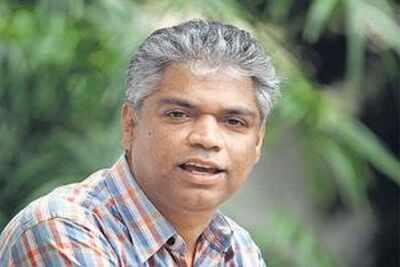
Prakash Belawadi has been shooting for a variety of films across languages for most of 2015, but he chooses to speak only about his work in the Kannada film Last Bus, which releases later this week. And he has his reasons for it too. Currently busy with acting in films, directing plays and helping students at IIM-B understand Indian culture through cinema, Prakash sure has his hands full. But he says he now spends the rest of the little free time that he has discussing opinions on social media. Here’s a glimpse into the actor-director’s thought process on cinema and all that he is a part of…
You have been part of so many films in the south and in Bollywood recently, which you have refrained from speaking about. Why? Honestly, I am shy (laughs). I shy away from the attention that cinema brings to a person. I understand attention is one of the aspects most enjoyed by people in the field, but I feel I have come into the arena too late to be looking at such things. This was one of the reasons I logged out of all kinds of social media a couple of years ago. Of course, now I am back on them.
What about Last Bus made you decide to speak to the media? Many reasons, actually. For one, the team is so young, fresh, energetic and enthusiastic. You have the lead actor (Avinash Narasimharaju) filling in as the art designer, and the director (SD Aravinda), who fills in as the music director. The involvement from every member is almost contagious. Also, the film is a psychological mystery thriller, a genre of filmmaking that is getting popular among young people across the world. I have seen that European television series have a great leaning towards this genre. Last Bus focuses on that twilight zone, the time when one dwells with what is real and what is not. The story is original, and is an example of the work that we should be doing here in the Kannada film industry. We have one of the smallest markets in the country and it makes perfect sense to have a story like this that would break boundaries and cross over in the world of cinema. Moreover, I really like the team.
Do you see a change in the kind of films the Kannada film industry has been churning out lately? I had the good fortune of starring in two of the interesting films made last year — Kendasampige and Aatagara. There is a great opportunity for Kannada films and many other films released last year have proved that. I am surprised to see some of the films we have had last year. Going forward, I believe the model to look at would be Marathi cinema. We need to tell our own stories here rather than depend on what has already been done. There is a huge platform for our films today, a Diaspora that was not there before and films like RangiTaranga have consolidated that. There is definitely a message there, and we can learn from them. The era of the big star is fading. As for Last Bus, it is an honest and earnest film. It is a true artistic expression. It will appeal to audiences looking for something fresh and innovative.
You are a popular face on the theatre scene in the city. Would it be right to consider that your first love? I actually love cinema, as I feel it is the greatest artistic expression of humans. From the art of story-telling, use of technology, right up to the marketing, the entire process is so exciting. Incidentally, in 2015, I have been out shooting for over 100-odd days for films in Kannada, Hindi, Tamil and Telugu; and it is really great fun. However, theatre will always continue; I have a play called Investigations that will be staged in February.
You have been part of so many films in the south and in Bollywood recently, which you have refrained from speaking about. Why? Honestly, I am shy (laughs). I shy away from the attention that cinema brings to a person. I understand attention is one of the aspects most enjoyed by people in the field, but I feel I have come into the arena too late to be looking at such things. This was one of the reasons I logged out of all kinds of social media a couple of years ago. Of course, now I am back on them.
What about Last Bus made you decide to speak to the media? Many reasons, actually. For one, the team is so young, fresh, energetic and enthusiastic. You have the lead actor (Avinash Narasimharaju) filling in as the art designer, and the director (SD Aravinda), who fills in as the music director. The involvement from every member is almost contagious. Also, the film is a psychological mystery thriller, a genre of filmmaking that is getting popular among young people across the world. I have seen that European television series have a great leaning towards this genre. Last Bus focuses on that twilight zone, the time when one dwells with what is real and what is not. The story is original, and is an example of the work that we should be doing here in the Kannada film industry. We have one of the smallest markets in the country and it makes perfect sense to have a story like this that would break boundaries and cross over in the world of cinema. Moreover, I really like the team.
Do you see a change in the kind of films the Kannada film industry has been churning out lately? I had the good fortune of starring in two of the interesting films made last year — Kendasampige and Aatagara. There is a great opportunity for Kannada films and many other films released last year have proved that. I am surprised to see some of the films we have had last year. Going forward, I believe the model to look at would be Marathi cinema. We need to tell our own stories here rather than depend on what has already been done. There is a huge platform for our films today, a Diaspora that was not there before and films like RangiTaranga have consolidated that. There is definitely a message there, and we can learn from them. The era of the big star is fading. As for Last Bus, it is an honest and earnest film. It is a true artistic expression. It will appeal to audiences looking for something fresh and innovative.
How do you choose the films you finally become a part of? I say no to films all the time. But they keep calling back. So then, I insist on them sending me the script. Most times, they are reluctant to send them, and among those that come — they are usually quite a shoddy job. I do like to help people, but with that intention I have also been a part of a few badly made films, so now I just say no.
You are a popular face on the theatre scene in the city. Would it be right to consider that your first love? I actually love cinema, as I feel it is the greatest artistic expression of humans. From the art of story-telling, use of technology, right up to the marketing, the entire process is so exciting. Incidentally, in 2015, I have been out shooting for over 100-odd days for films in Kannada, Hindi, Tamil and Telugu; and it is really great fun. However, theatre will always continue; I have a play called Investigations that will be staged in February.
End of Article
FOLLOW US ON SOCIAL MEDIA









Photostories
entertainment videos

Featured In Movies
Popular Categories
Entertainment NewsBollywood NewsTollywood NewsKollywood NewsMollywood NewsMovie ReviewsLatest Hindi MoviesLatest Tamil MoviesMX PlayerParenting TipsHome RemediesWeight LossBeauty TipsParenting TipsHindi VideosHindi Video SongsBhojpuri Music VideosLatest Telugu MoviesBhojpuri Music VideoHindi TV News
Trending in Entertainment
Latest MoviesBollywood MoviesHollywood MoviesTamil Movies 2024Telugu Movies 2024Malayalam Movies 2024Kannada Movies 2024Marathi Movies 2024Bengali Movies 2024Top Rated Movies 2024Best Hindi MoviesBest English MoviesBest Telugu MoviesBest Tamil MoviesBest Malayalam MoviesBest Kannada MoviesBest Bengali MoviesUpcoming Hindi MoviesBest Movies Of All TimeBest Hindi Movies of All Time
Trending in Etimes
Horoscope TodayNumerology Predictions TodayDinner With TrumpTim WalzIvanka TrumpJose LopezKristina JoksimovicJoe WilsonTrump Eating The Dogs SongGermany NewsKamala HarrisPrince HarryPatriot Day 2024Diabetes RiskHappy Mindfulness Day 2024Trump Vs HarrisJoe JonasPositive Thinking Day 2024Dave Bautista
Trending in TV
Trending in Lifestyle
Trending in Regional
Movie Reviews
Berlin ReviewThe Buckingham Murders ReviewSpeak No Evil ReviewVisfot ReviewThalapathy Is The G.O.A.T ReviewRebel Ridge ReviewDetective Conan vs. Kid the Phantom Thief ReviewBeetlejuice Beetlejuice ReviewPad Gaye Pange ReviewA Wedding Story ReviewThe Diary Of West Bengal ReviewTikdam ReviewKinds Of Kindness ReviewAfraid Review
Upcoming Hindi Movies
Upcoming Regional Movies
Latest News
This Strange Eventful History: Claire Messud's Ambitious Novel Spanning Generations and ContinentsNew season begins with renewed hope for BlastersPremier League: Erling Haaland hits another two in Man City's come from behind win over BrentfordMeerut building collapse: 3 dead; rescue operations continueDon’t rethink pink. Plane truth is we need women-friendly seatsWWE NXT Star Reunites With Father At TNA Victory Road'Nafrat ki dukaan pe ...': PM Modi attacks Congress over 'brutality' in USKashmir will soon get a government, but those blinkers are going to stay‘There is no affordable transport currently, the biggest problem in Goa is taxis’IIM Jammu hosts 'Fostering Academia and Industry Partnerships' event at BengalaruMP Bharat, TDP Andhra President Srinivas promise action to safeguard protection of steel plant workersLiverpool slump to shock 1-0 home defeat by Nottingham ForestHimanta urges banned ULFA(I) chief not to indulge in activity jeopardising future of Assam's youthActivists complain as showroom burns old papers; NMMC penalizes Rs 250 onlyVinith Venkatesh scores in ISL debut as Bengaluru FC edge past East BengalJitendra Jorwal takes charge as new Ludhiana deputy commissioner, vows seamless delivery of servicesGeorge R.R. Martin praises 'A Knight of the Seven Kingdoms' spinoff after criticising 'House of the Dragon'Ananya Panday urges all industries to form Hema Committee': 'Clearly, no one else is doing it but women'
Other Group Sites -
ETimes is an Entertainment, TV & Lifestyle industrys promotional website and carries advertorials and native advertising.