- News
- entertainment
- kannada
- movies
- A debut matters the most politics and cinema
Trending
This story is from February 3, 2016
A debut matters the most politics and cinema
Says Ambarish BM
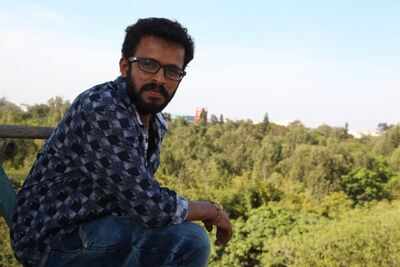

'Jwalantham isn't just a culmination of a few years of my hardwork. It's close to a decade of effort on my part to get to where I have come. I have many story ideas in my
head, most of them about issues plaguing our society, because I've always been very socially-conscious. Even my education was in sociology, social work and filmmaking to help me have a better grasp on the subject. Having grown up amid a farming community, I've seen the hardships they face, which is why I chose that as the base for my film,' says Ambarish.
Ambarish's passion for filmmaking is evident when asked about Jwalantham and its shooting experience ' despite being a debutant, he shows immense clarity in his thought and the determination to do justice to his script. Speaking about the film, he says, 'Jwalantham's theme revolves around the emigration of farmers. We've shot it as realistically as possible, having conducted a month-long acting workshop for the cast before we even started shooting. Every scene in the second of the film will be a new experience for the audience, scenes that've never been shot before. Take for example a scene where the hero was required to be neck-deep in the sand, very close to the sea, for 20 straight days, only taking breaks for sleep. We did that to bring in authenticity to the look and movements of a person who has been in such a situation. Producers were very hard to get by at first for this script, but for this film, they've given me so much freedom and not interfered in the filmmaking process at all. In fact, till 15 days ago when I had showed them the film, they had not seen any portion of it.'
While he has also written the lyrics for five of the film's songs, it is direction that really gets his heart racing. 'Filmmaking is just an extension of who I am. For me, cinema is a part of the society we live in. What I observe, I'd like to portray through my films, which is why most of the ideas for a story and its characters formulate in my mind when I'm walking or taking a bike ride. I'd like my films to be as realistic as possible, with little or no exaggeration in either the plot or the characters in it. Of course I have a lot to learn, but the prospect of learning much more about filmmaking from here on excites me a lot.'
Speaking about today's cinema audience, Ambarish says, 'Audience today is not only open to new and experimental subjects, but they are also very educated. It's not just about the story, music or the main cast anymore. They scrutinize the background score, the camera work, lighting and shot composition, etc. So for a film to really succeed today, filmmakers have to pay attention to even the tiniest of details, and I've attempted to do just that.'
End of Article
FOLLOW US ON SOCIAL MEDIA






Photostories
entertainment videos
Featured In Movies

Popular Categories
Entertainment NewsBollywood NewsTollywood NewsKollywood NewsMollywood NewsMovie ReviewsLatest Hindi MoviesLatest Tamil MoviesMX PlayerParenting TipsHome RemediesWeight LossBeauty TipsParenting TipsHindi VideosHindi Video SongsBhojpuri Music VideosLatest Telugu MoviesBhojpuri Music VideoHindi TV News
Trending in Entertainment
Latest MoviesBollywood MoviesHollywood MoviesTamil Movies 2024Telugu Movies 2024Malayalam Movies 2024Kannada Movies 2024Marathi Movies 2024Bengali Movies 2024Top Rated Movies 2024Best Hindi MoviesBest English MoviesBest Telugu MoviesBest Tamil MoviesBest Malayalam MoviesBest Kannada MoviesBest Bengali MoviesUpcoming Hindi MoviesBest Movies Of All TimeBest Hindi Movies of All Time
Trending in Etimes
Horoscope TodayNumerology Predictions TodayAustria ElectionJoe BidenKamala HarrisPopulated Indian CitiesAlcohol Cancer RiskIsrael Beirut WarSunita WilliamsIsrael Hezbollah WarNepal FloodBarbra StreisandSnoring Prevention TipsDonald TrumpMagnesium DeficiencyRelationship TipsSean Diddy CombsAlzheimers DiseaseFunniest Wildlife Photos 2024
Trending in TV
Trending in Lifestyle
Trending in Regional
Movie Reviews
Binny And Family ReviewLove, Sitara ReviewWill & Harper ReviewWolfs ReviewYudhra ReviewJo Tera Hai Woh Mera Hai ReviewKahan Shuru Kahan Khatam ReviewHis Three Daughters ReviewNever Let Go ReviewDancing Village: The Curse Begins ReviewTransformers One ReviewFirst Love ReviewBerlin ReviewThe Buckingham Murders Review
Upcoming Hindi Movies
Upcoming Regional Movies
Latest News
Sagittarius, Daily Horoscope Today, October 1, 2024: A day of inner peace and happinessJohns Hopkins University vs. Stanford University: Which University Dominates in Anatomy & Physiology?Aquarius, Daily Horoscope Today, October 1, 2024: Optimism in the airBasic Home Loan raises Rs 87.5 crore in a Series B funding roundMallikarjun Kharge's remarks on PM Modi distasteful, disgraceful: Amit ShahPriyanka Chopra shares charming throwback pictures of her transformation from 9 to 17 years old: 'Not a girl, not yet a woman'Zodiac Signs’ Favorite Ways to De-StressHC stays probe against Sitharaman, others based on FIR linked to poll bondsLaughter Chefs: Rahul Vaidya shares a fan's heartfelt message for them; Chef Harpal Singh Sokhi breaks down in tears, 'My sister was in ICU...'Gemini, Daily Horoscope Today, October 1, 2024: Day of hard work and focus'Terrorism has no place in our world': PM Modi tells Israel's NetanyahuBhuvan Bam: Digital creators can thrive in mainstream cinemaLamborghini convoy stuns Mussoorie: 71 cars on hill steal the spotlightMumbai vs Rest Of India: Irani Cup tie offers chance for hopefuls and rejects to impress selectorsOlivia Culpo and Christian McCaffrey buy George Clooney's mansion for $14.5 millionKaun Banega Crorepati 16: Amitabh Bachchan believes he is 'Half-Sikh' recalling his maternal roots; reveals his aunts called him 'Amitabh Singh'WWE Superstar CM Punk responds to the passing of legendary singer Kris KristoffersonRG Kar case: Kolkata court extends judicial custody of ex-principal, suspended cop till October 4
Other Group Sites -
ETimes is an Entertainment, TV & Lifestyle industrys promotional website and carries advertorials and native advertising.