- News
- entertainment
- hindi
- music
- Rabbi Shergill to launch new album
Trending
This story is from April 21, 2012
Rabbi Shergill to launch new album
The singer-composer talks about his new album III and his many influences
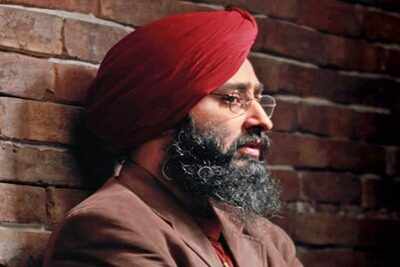
To call Rabbi Shergill a Sufi singer would be a misnomer of sorts. Sure, his biggest hit Bulla Ki Jaana was based on the poetry of the 18th century Sufi mystic Baba Bulleh Shah. In the tradition of labelling musicians and their sound, let’s refer to Rabbi as the quintessential urban balladeer, and one who chooses to sing in the vernacular, reinterpreting folk sounds in an acoustic rock format.
Now, after almost four years since his last album, he has released his third album, which has been matter-of-factly titled III.
On why he’s taken so long to grace the shelves with an album, Rabbi explains that while he’s been occupied with touring and experimenting new material, the delay in the release of his third album had nothing to do with lack of inspiration. “In fact, the album was ready almost two years ago. But then, I was waiting for a lot of things to come together, like the right time and the right label to come along. The search took a long time, therefore the delay.”
III is indeed an interesting jumble of concepts, but all aiming at the ideals of freedom and artistic expression. For example, the song Cabaret Weimar, a Punjabi number with hip-hop influences, draws parallels with the cultural explosion that took place in the Weimar Republic of Germany in the 1920s.
At the same time, he is in search of a new face to star in the video for Ganga, another track from the album. Rabbi says, “Well, we’re sifting through data to look for the quintessential Indian of the future; someone who would take the baton forward. The woman in the video is someone seeking to reclaim her life and burst upon the world, and not dependant. She is one who is engaged in a grand dance of the cosmos. And that’s the kind of woman I’m looking for.”
A self-confessed fan of Jimmy Page, the shy musical genius behind Led Zeppelin, nothing else could be a tribute more obvious than the title of the album, which was also the name of Zeppelin’s third album. “Honestly, it was not a conscious tribute to Led Zeppelin. This is my third album and but I don’t really mind if my audience considers this so either,” says Rabbi.
And while he has been on a string of live performances to promote III, Rabbi will not be making a stop at Chennai, a city of which, he says, he loves the vibe. “I visit Chennai quite often, but it’s been long since I performed in the city. I’m not sure how Chennaiites would take to a Punjabi man with a guitar and his esoteric music,” the singer jokes as he signs off.
Flashback
Rabbi formed a band called Kaffir after college. They played a few competitions and festivals before the band members decided to go their separate ways. Rabbi composed jingles for a while when he was struggling to get his debut album out. Finally, he was signed on by an independent label to produce the album. His first single Bulla Ki Jaana met with instant success and became the most played non-film song on radio and television in 2005.
Now, after almost four years since his last album, he has released his third album, which has been matter-of-factly titled III.
On why he’s taken so long to grace the shelves with an album, Rabbi explains that while he’s been occupied with touring and experimenting new material, the delay in the release of his third album had nothing to do with lack of inspiration. “In fact, the album was ready almost two years ago. But then, I was waiting for a lot of things to come together, like the right time and the right label to come along. The search took a long time, therefore the delay.”
III is indeed an interesting jumble of concepts, but all aiming at the ideals of freedom and artistic expression. For example, the song Cabaret Weimar, a Punjabi number with hip-hop influences, draws parallels with the cultural explosion that took place in the Weimar Republic of Germany in the 1920s.
“The Weimar Republic existed right before the rise of the Nazis in Germany. There was a sort of cultural explosion, both in terms of creation and expression. This was also the period when the best thinkers, Nobel laureates and artists began to commune. It was all hunky dory until Adolf Hitler and his Nazi party took over in 1933 and all that original thought was wiped out. I’m trying to draw parallels in contemporary India with my song. We are a race of people engaged in the constant search for novelty. Thinking and reasoning have died down,” Rabbi adds thoughtfully.
At the same time, he is in search of a new face to star in the video for Ganga, another track from the album. Rabbi says, “Well, we’re sifting through data to look for the quintessential Indian of the future; someone who would take the baton forward. The woman in the video is someone seeking to reclaim her life and burst upon the world, and not dependant. She is one who is engaged in a grand dance of the cosmos. And that’s the kind of woman I’m looking for.”
A self-confessed fan of Jimmy Page, the shy musical genius behind Led Zeppelin, nothing else could be a tribute more obvious than the title of the album, which was also the name of Zeppelin’s third album. “Honestly, it was not a conscious tribute to Led Zeppelin. This is my third album and but I don’t really mind if my audience considers this so either,” says Rabbi.
And while he has been on a string of live performances to promote III, Rabbi will not be making a stop at Chennai, a city of which, he says, he loves the vibe. “I visit Chennai quite often, but it’s been long since I performed in the city. I’m not sure how Chennaiites would take to a Punjabi man with a guitar and his esoteric music,” the singer jokes as he signs off.
Flashback
Rabbi formed a band called Kaffir after college. They played a few competitions and festivals before the band members decided to go their separate ways. Rabbi composed jingles for a while when he was struggling to get his debut album out. Finally, he was signed on by an independent label to produce the album. His first single Bulla Ki Jaana met with instant success and became the most played non-film song on radio and television in 2005.
End of Article
FOLLOW US ON SOCIAL MEDIA









entertainment videos
Featured In Movies

Popular Categories
Entertainment NewsBollywood NewsTollywood NewsKollywood NewsMollywood NewsMovie ReviewsLatest Hindi MoviesLatest Tamil MoviesMX PlayerParenting TipsHome RemediesWeight LossBeauty TipsParenting TipsHindi VideosHindi Video SongsBhojpuri Music VideosLatest Telugu MoviesBhojpuri Music VideoHindi TV News
Trending in Entertainment
Latest MoviesBollywood MoviesHollywood MoviesTamil Movies 2024Telugu Movies 2024Malayalam Movies 2024Kannada Movies 2024Marathi Movies 2024Bengali Movies 2024Top Rated Movies 2024Best Hindi MoviesBest English MoviesBest Telugu MoviesBest Tamil MoviesBest Malayalam MoviesBest Kannada MoviesBest Bengali MoviesUpcoming Hindi MoviesBest Movies Of All TimeBest Hindi Movies of All Time
Trending in Etimes
Horoscope TodayNumerology Predictions TodayProject 2025Taylor SwiftUS Presidential Debate Key TakeawaysSpringfield Eating PetsMelania TrumpJoe WilsonVice Presidential DebateMeghan MarkleKamala HarrisDonald TrumpPatriot Day 2024Diabetes RiskHappy Mindfulness Day 2024Trump Vs HarrisJoe JonasNational Day of Encouragement 2024Dave Bautista
Trending in TV
Trending in Lifestyle
Trending in Regional
Movie Reviews
Visfot ReviewThalapathy Is The G.O.A.T ReviewRebel Ridge ReviewDetective Conan vs. Kid the Phantom Thief ReviewBeetlejuice Beetlejuice ReviewPad Gaye Pange ReviewA Wedding Story ReviewThe Diary Of West Bengal ReviewTikdam ReviewKinds Of Kindness ReviewAfraid ReviewThe Deliverance ReviewBlue Lock: Episode Nagi ReviewDaddio Review
Upcoming Hindi Movies
Upcoming Regional Movies
Latest News
Kapil Sharma gives fans a peek into his Ganesh Chaturthi festivities with wife GinniNot MS Dhoni and Rohit Sharma, Gautam Gambhir calls this Indian player 'Shahenshah'. WatchPolice registered 10 cases against Ganapati mandals for using laser beam lightsThe Zodiac Signs Most Naturally Inclined to HealingTelangana government pushes for increased flood relief from CentrePolicy of 'Padak Lao, Pad Pao' will be implemented again for the sportspersons, says Deepender HoodaBest 20000mAh Power Banks To Power Your Devices Wherever You GoWalking dog in Goa? Mouth guard, leash soon to be mustKamala may have won debate. But election is still too close to callCommunal violence erupts in Karnataka during Ganpati Visarjan, section 144 imposedMpox kills two, six other confirmed cases in Cameroon: GovernmentTrump's claim about sending Taliban leader Abdul his house photo fuels social media frenzyWWE Superstar Blames the Company for Failing to Utilize Omos’ PotentialFinding divinity in a world addicted to noiseOmar fighting for chair, I’m fighting for people of Kashmir, says Engineer Rashid after walking out of TiharTovino Thomas praises Prithviraj Sukumaran as director: "One of the brilliant directors I have ever worked with"Border Gavaskar Trophy: When Sourav Ganguly's Brisbane heroics set the tone for an enlivening seriesLive wire snaps, boy recalls science lesson, saves lives with sister
Other Group Sites -
ETimes is an Entertainment, TV & Lifestyle industrys promotional website and carries advertorials and native advertising.