- News
- entertainment
- hindi
- bollywood
- While OTT is a blessing, the struggle never ends: Priya Bapat
Trending

The actress feels people will eventually return to theatres for immersive stories

Priya Bapat
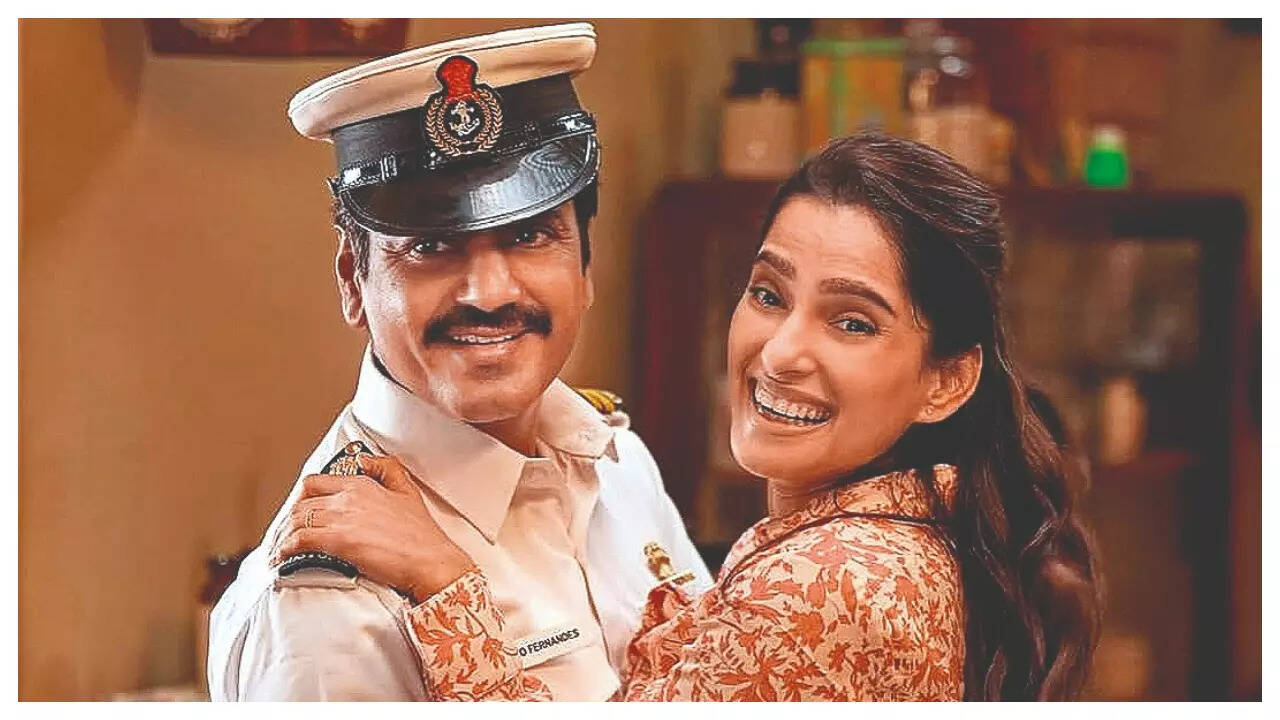
Priya with Nawazuddin Siddiqui in Costao
End of Article
Follow Us On Social Media








Tired of too many ads?go ad free now
entertainment videos
Featured In Movies

Tired of too many ads?go ad free now
Hot on the Web
Lunar Eclipse 2025 Live UpdateBlood PressurePancreatic Cancer SymptomsBlood Pressure GuidelinesMagnesium Rich FruitsBigg Boss Telugu 9 Contestants ListVMA 2025 Winners ListGut HealthChandra GrahanAbhay DeolKaran JoharVitamin DLunar Eclipse On September-7Fruits For DigestionHeart Attack PreventionFatty Liver SymptomsKidney HealthCoolie OTTReena RoyStatin MythsSunita AhujaMika SinghPumpkin Seeds BenefitsParam Sundari Box Office CollectionLokah Chapter 1: Chandra CollectionParam Sundari Movie ReviewPati Patni Aur PangaWar 2 Box Office CollectionBaaghi 4 Box Office CollectionCoolie Box Office CollectionPlants That Flourish With Baking SodaHerbs For Vitamin CFatty LiverBest Time To Take Fish OilPancreatic SymptomsLunar Eclipse 2025Skin Problems Caused By DiabetesLow Vitamin D SignsNever Drink Coconut Water DirectlyFastag Annual PassAvoid Non Veg During Rainy Season
Trending Topics
Latest MoviesBollywood MoviesHollywood MoviesTamil Movies 2025Telugu Movies 2025Malayalam Movies 2025Kannada Movies 2025Marathi Movies 2025Bengali Movies 2025Top Rated Movies 2025Best Hindi MoviesBest English MoviesBest Telugu MoviesBest Tamil MoviesBest Malayalam MoviesBest Kannada MoviesBest Bengali MoviesUpcoming Hindi MoviesBest Movies Of All TimeBest Hindi Movies of All TimeLatest English MoviesLatest Malayalam MoviesEnglish TV NewsTamil TV NewsTelugu TV NewsMalayalam TV NewsKannada TV NewsMovie ReviewsBhojpuri Cinema NewsGujarati Cinema News
Popular Categories
Viral NewsK Pop NewsWeb Series NewsAnime NewsUpcoming English MoviesUpcoming Tamil MoviesUpcoming Telugu MoviesUpcoming Malayalam MoviesUpcoming Kannada MoviesFashion TipsTravel NewsEntertainment NewsBollywood NewsTollywood NewsKollywood NewsMollywood NewsFood NewsLatest Hindi MoviesLatest Tamil MoviesParenting TipsHome RemediesWeight LossBeauty TipsParenting TipsHindi VideosHindi Video SongsBhojpuri Music VideosLatest Telugu MoviesBhojpuri Music VideoHindi TV News
Latest News
Shekhar Suman on losing son Aayush: Says he went through severe depression; credits wife Alka and son Adhyayan for strengthFrom Kirkee to Khadki: Defence ministry finally restored colonial nameAsia Cup 2025 Schedule: Full Fixtures, Match Dates, Venues, Time and Where to Watch LiveNFL Game results today: Bills vs Ravens match highlights, top scorers and moreParamount CEO David Ellison to employees in internal memo: Return to office or find a new jobBigg Boss Telugu 9: Actor Naga Babu shares heartwarming wish for contestant Bharani Shankar, says “He truly deserves it!”Brad Pitt’s 'F1' beats Tom Cruise’s 'Mission Impossible: The Final Reckoning' as highest grossing Hollywood film of 2025Hero Xoom 160 first ride impressions: Hero's boldest scooter yet?Ayurveda in your kitchen: The rise of medicinal spices in daily lifeAjay Devgn engages in a 'thoughtful conversation' with spiritual leader Gauranga DasWhy Aishwarya Rai Bachchan’s ₹75 lakh wedding saree is still the most iconic bridal look in Bollywood historyWater hyacinth blocks river bridge flooding, inundating hundreds of acres of cropland across five villagesWent hands-on with Google Pixel 10, and something feels different this timeBuilt to learn, built to lead: Sanidhya joins The Learning Curve to champion AI-powered learning for students9/9 Energy Portal 2025: A Powerful Gateway for Transformation and New BeginningsAI boom may drain resources: Data centres’ water use could hit 1,068 billion litres by 2028; Morgan Stanley report flags 11x riseBigg Boss 19: Salman Khan reacts to claims of ‘ruining people’s career’; “Kaunsa career khaaya maine?”'Demon Slayer Infinity Castle': Anime film gets 5:00 a.m. showtime; Rashmika Mandanna slays in style at Mumbai screening