- News
- entertainment
- hindi
- bollywood
- How Ramesh Sippy left his studies to make ‘Sholay’ and save his father’s film career: 'Survival became the priority'
How Ramesh Sippy left his studies to make ‘Sholay’ and save his father’s film career: 'Survival became the priority'
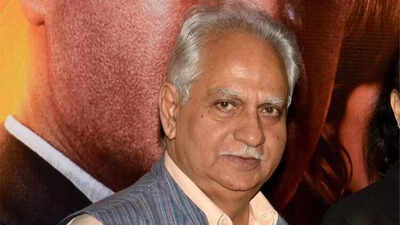
Ramesh Sippy's journey to helm the legendary 'Sholay' was marked by a blend of familial obligation and bold ambition. He paused his education to help breathe new life into his father GP Sippy's floundering film venture. Faced with numerous challenges, it was GP's unwavering belief in Ramesh that ultimately propelled 'Sholay' to monumental heights, reshaping the landscape of Indian filmmaking.
Ramesh Sippy's journey to Sholay and family's struggle
'Sholay' making and Bollywood history
Get the latest entertainment updates from the Times of India, along with the latest Hindi movies, upcoming Hindi movies in 2026 , and Telugu movies.”

About the AuthorTOI Entertainment Desk
End of Article
Follow Us On Social Media
Tired of too many ads?go ad free now
entertainment videos
Featured In Movies

Tired of too many ads?go ad free now

Hot on the Web
Republic Day WishesAmitabh BachchanJames CameronAnuj AroraJana NayaganRakesh B. PalJaaved JaaferiBorder 2 CollectionFake Sweet PotatoBorder 2 ReviewBorder 2 Movie ReviewDhurandhar OTTRalph Waldo EmersonTere Ishq Mein OTTStephen HawkingBaby NamesTom CruiseBaba Vanga Prediction 2026Palaash MuchhalRimi SenSenecaThe 50 ContestantsDhurandhar OTTRabbi ShergillThe Raja Saab Box Office CollectionDhurandhar Movie CollectionAsia Longest RiverKumar SanuDhurandhar Movie ReviewSaraswati Puja 2026William ShakespeareRiver That Flows BackwardsWorld Largest Beaver DamSnake Plant BenefitsQuote Of The Day By Bill GatesLongest Venomous King CobraMoon LakeLara TrumpJensen HuangGoogle Photo AI MemeDavos 2026
Trending Topics
Latest MoviesBollywood MoviesHollywood MoviesTamil Movies 2026Telugu Movies 2026Malayalam Movies 2026Kannada MoviesMarathi MoviesBengali Movies 2026Top Rated Movies 2026Best Hindi MoviesBest English MoviesBest Telugu MoviesBest Tamil MoviesBest Malayalam MoviesBest Kannada MoviesBest Bengali MoviesUpcoming Hindi MoviesBest Movies Of All TimeBest Hindi Movies of All TimeLatest English MoviesLatest Malayalam MoviesEnglish TV NewsTamil TV NewsTelugu TV NewsMalayalam TV NewsKannada TV NewsMovie ReviewsBhojpuri Cinema NewsGujarati Cinema News
Popular Categories
Viral NewsK Pop NewsWeb Series NewsAnime NewsUpcoming English MoviesUpcoming Tamil MoviesUpcoming Telugu MoviesUpcoming Malayalam MoviesUpcoming Kannada MoviesFashion TipsTravel NewsEntertainment NewsBollywood NewsTollywood NewsKollywood NewsMollywood NewsFood NewsLatest Hindi MoviesLatest Tamil MoviesParenting TipsHome RemediesWeight LossBeauty TipsParenting TipsHindi VideosHindi Video SongsBhojpuri Music VideosLatest Telugu MoviesBhojpuri Music VideoHindi TV News
Latest News
Ishan Kishan: A man on a mission, looking to make the most of lost timeVande Bharat dashing through snow: Rail minister Ashwini Vaishnaw shares stunning video of winter-ready trainEgypt’s ‘lost golden city’ resurfaces after 3,400 years and it’s rewriting historyHow to 'walk' your way out of diabetes, high BP? Doctor explains the right way: “Walk fast enough that you can talk, but not sing”Royals name Sandeep Narwal as captainBSSC Field Assistant result 2025 for prelims released: Direct link to download merit list hereKiran Joneja says she still struggles to find words big enough for Ramesh SippyDev Patel starrer ' The Peasant' builds massive feudal set in Mumbai for final schedule - ReportsKamaal Rashid Khan arrest update: Actor claims he fired rounds at a tree while 'cleaning' his licensed gun - ReportPrabhas starrer ‘The Raja Saab’ producer files cyber crime complaint over impersonation and derogatory posts - ReportsconstitutionIndian Navy SSC Officer January 2027 recruitment begins for 260 posts, apply online till February 24Sunny Deol's 'Border 2' narrowly missed out beating Ranveer Singh's Dhurandahr's Day 1 worldwide collectionCruz Beckham’s shares Victoria Beckham’s ‘Not Such an Innocent Girl’ on cryptic post amid family feud'Didn't violate Congress position': Shashi Tharoor breaks silence amid rift buzz; defends stand on Operation SindoorHow Ramesh Sippy left his studies to make ‘Sholay’ and save his father’s film career: 'Survival became the priority''Space Gen – Chandrayaan': Nakuul Mehta says 'Bringing the show from inception to release is a journey & a half'The spiritual and astrological significance of ringing the bell in puja