- News
- entertainment
- hindi
- bollywood
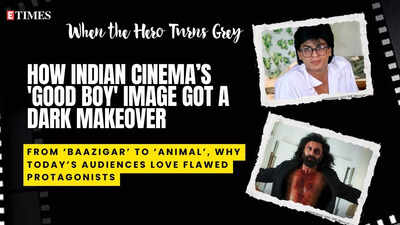
- From ‘Baazigar’ to ‘Animal’ : How Indian cinema’s 'Good Boy' image got a dark makeover
Trending
From ‘Baazigar’ to ‘Animal’ : How Indian cinema’s 'Good Boy' image got a dark makeover
Indian cinema has evolved, embracing morally ambiguous heroes who resonate with audiences. This shift reflects a society that acknowledges the complexities of human nature, where good and bad coexist. Characters like Vijay in Agneepath and Pushpa challenge traditional archetypes, captivating viewers with their flaws and vulnerabilities, mirroring the contradictions of real life.
From Stereotype to Subtext
The Rise of the Anti-Hero
Media, Mythmaking, and the Hero Worship Complex
The Rise of the Anti-Hero
A Mirror to a Complex Society

About the Author
TOI Entertainment DeskEnd of Article
Follow Us On Social Media










Tired of too many ads?go ad free now
entertainment videos
Featured In Movies

Tired of too many ads?go ad free now
Hot on the Web
DementiaUric Acid SymptomsShih TzuWalking RoutineFreezer IceKyunki Saas Bhi Kabhi Bahu Thi 2Baba VangaMorning DrinksPriya SachdevAamir KhanSuniel ShettyShabana AzmiFatty LiverLargest Snake PopulationRajiv RaiKL RahulSaiyaara Box Office CollectionHari Hara Veera Mallu Movie ReviewMaareesan Movie ReviewThalaivan Thalaivii Movie ReviewRubina DilaikFoods For Kidney HealthMahesh BhattNeena GuptaSkin ProblemAjay DevgnKidney HealthSaiyaara Movie ReviewBaby NamesChest PainRaj KapoorHair LossSolar EclipseAnand MahindraFatty LiverHeart ProblemOne PieceBest Shounen AnimeNeck Pain TipsMonsoon Travel TipsChronic InflammationMira Murati
Trending Topics
Latest MoviesBollywood MoviesHollywood MoviesTamil Movies 2025Telugu Movies 2025Malayalam Movies 2025Kannada Movies 2025Marathi Movies 2025Bengali Movies 2025Top Rated Movies 2025Best Hindi MoviesBest English MoviesBest Telugu MoviesBest Tamil MoviesBest Malayalam MoviesBest Kannada MoviesBest Bengali MoviesUpcoming Hindi MoviesBest Movies Of All TimeBest Hindi Movies of All TimeLatest English MoviesLatest Malayalam MoviesEnglish TV NewsTamil TV NewsTelugu TV NewsMalayalam TV NewsKannada TV NewsMovie ReviewsBhojpuri Cinema NewsGujarati Cinema News
Popular Categories
Viral NewsK Pop NewsWeb Series NewsAnime NewsUpcoming English MoviesUpcoming Tamil MoviesUpcoming Telugu MoviesUpcoming Malayalam MoviesUpcoming Kannada MoviesFashion TipsTravel NewsEntertainment NewsBollywood NewsTollywood NewsKollywood NewsMollywood NewsFood NewsLatest Hindi MoviesLatest Tamil MoviesParenting TipsHome RemediesWeight LossBeauty TipsParenting TipsHindi VideosHindi Video SongsBhojpuri Music VideosLatest Telugu MoviesBhojpuri Music VideoHindi TV News
Latest News
'Feels like fiction': Jaya Bachchan turns 'film critic' in Operation Sindoor debate, congratulates Centre for 'writers who coin grand names'39-year-old Brendan Taylor to make Test return against New Zealand after serving 3.5-year ICC banWorld’s strongest quake in over a decade triggers tsunami warnings: What we know so farRooftop gardening: A smart solution to poor air quality and food insecurity in citiesAP Police Constable final result 2025 released at slprb.ap.gov.in; check direct link hereGoogle expands AI Mode with PDF uploads, Canvas planner and moreITR-U now online via ITR-1 & ITR-2: E-filing enabled for AY22 & AY23- what you need to know for filing updated income tax returnsConner Floyd bids farewell to The Young and the Restless; joins Days of Our LivesBJP terms Rahul Gandhi's planned protest against 'votes theft' as 'funny'How to convert minutes to hours: A step-by-step guide for studentsIn which country are all egg-laying chickens cage-free?Kansas City Chiefs quarterback Patrick Mahomes shares the 'one goal' that changed his life with a Make-A-Wish fan5 Heartbreaking love stories in anime that hit just like Your Name and I Want to Eat Your PancreasHoroscope Tomorrow, July 31, 2025: Your zodiac insights awaitAre essential oils safe for your lungs? Know its risks and other safer oils to useYeh Rishta Kya Kehlata Hai: Abhira brings Maira home as Armaan confronts Geetanjali over custodyExplainer: How synthetic aperture radar (SAR), at the heart of Nisar, worksNavi Mumbai shocker: Teacher held for sexual harassment of class 10 boy via video calls, text messages