
- News
- entertainment
- hindi
- bollywood
- Cinema to activism: Interesting facts about Shabana Azmi you may not know
Cinema to activism: Interesting facts about Shabana Azmi you may not know

Raised in a family of art and activism
Shabana Azmi was nurtured in an artistic and activist background. Her father, Kaifi Azmi, was a well-known Urdu poet, famed for his social conscience as a writer. Her mother, Shoukat Azmi, was a well-known theater and film actress. The progressive environment she was raised in instilled in her the idea that cinema and culture were a means to advocate and inspire social change. This foundation is what gave her the confidence to use her star power not just for entertainment but to advocate for awareness of social issues.

A champion of housing rights for the urban poor
Outside of the glitzy world of cinema, Shabana devoted herself to the cause of Mumbai's slum dwellers. She worked extensively with the housing rights organization Nivara Haq, where she led campaigns that ultimately resulted in more than 12,000 free homes being built for the poor. At one stage, she even participated in street protests where she demanded that shelter and dignity be a right for people living in makeshift settlements. Her active involvement—through nonviolent marches and negotiations with authorities—made it very clear to everyone that her activism grew out of lived experiences and not from lofty posturing.
Pioneering efforts in HIV/AIDS awareness
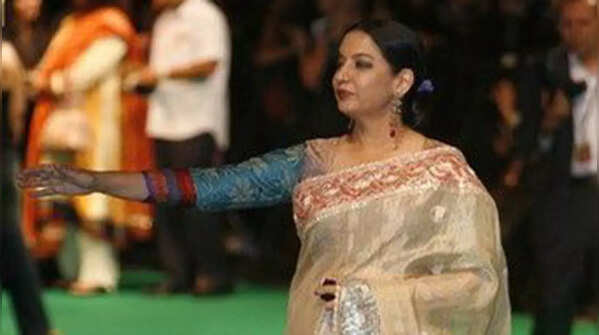
In the early 2000s, during a time of considerable stigma surrounding HIV/AIDS in India, Shabana took brave steps to change the narrative. She acted in an evocative public service advertisement, where she said, "Hugging does not spread AIDS; only love spreads by touching." Shabana spoke in this way to counter myths that were deeply embedded in societal thought. She spoke at international conferences, imploring standing governments to prioritize awareness and healthcare for youth. She helped to demolish prejudice and put HIV/AIDS in mainstream discussion at a time when very few celebrities were willing to do so while lending her credibility to the cause.

Political voice in the Rajya Sabha
During her time as a member of the Rajya Sabha (1997-2003), Shabana Azmi was a powerful voice speaking for freedom of expression, minority rights, and liberal values. She was able to adopt a political platform to discuss other issues she felt were important, such as women's empowerment and communal harmony. Later, as a Goodwill Ambassador for SAARC (South Asian Association for Regional Cooperation), she promoted these views across South Asia and was an active campaigner against the discrimination faced by people with HIV/AIDS. All of these political positions reaffirmed her social engagement, demonstrating that her activism also extended into actual policy-making and tangible social change.
A fearless voice against extremism and intolerance
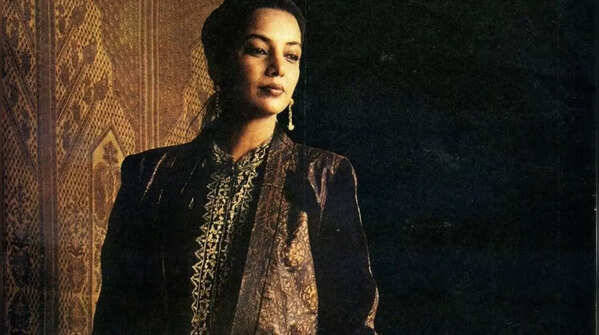
Throughout her life, Shabana Azmi has consistently advocated against religious extremism and intolerance. Following episodes of communal violence in India, she often took a public stand, calling for peace and solidarity. Azmi also condemned the fundamentalist views presented within her own community and was a courageous voice for reason. At times, she witnessed peaceful protests and participated in long peace marches to promote harmony. This indicated joining the public side by side with ordinary citizens, physically standing with them when necessary. Azmi's activism demonstrates a sense of empathy and resilience—she has often indicated that she cried during protests—but she never hesitated to stand for justice.
Featured In entertainment

