- News
- entertainment
- hindi
- bollywood
- Action, female style
Trending
This story is from April 19, 2013
Action, female style
As Indian cinema completes a glorious 100 years, we kick-start a series by top women artistes on what it means to make a mark in a male-dominated industry
Hume muhn chhupane ke liye do hazaar rupiya milta hai aur muhn dikhane ke liye hazaar rupiya - Aajke din mein yeh rate hai (We get Rs 2000 to hide our faces and Rs 1000 to show our faces - that is the current rate),” says Reshma, a female stunt artiste who specialises in horse riding.

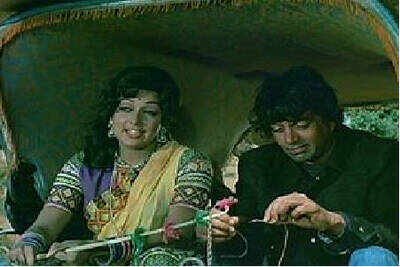
She earns more as a body double, where she is required to hide her face as compared to what she gets for playing minor but original roles. In the industry of cinema, the most visual of all performing art forms, invisibility is her identity and vocation. The iconic sequence in Sholay - where Basanti is chased by armed dacoits on horses, while she rides her broken cart with breathtaking skill and dare - is known by Hema Malini’s dialogue, ‘Chal Dhanno, aaj teri Basanti ki izzat ka sawal hai’ and antics performed by a faceless Reshma.
I first met Reshma in 2002 at Bhiku Verma’s stud farm on Film City Road. The stud farm was actually a narrow strip of land sandwiched between skyscrapers, where the 30-odd horses could run, albeit in a single file. Reshma had come there for a practice session before her next shoot. Upon our request, she took the horse for a round on the busy road. The sight of a diminutive Reshma riding the powerful animal through traffic and set against the statue of a warrior on horseback was bizarre, and yet, somewhat conducive to the phantasmic character of this city.
As a child, she would go for pony rides at the Pydhoni Naka at 5 paise per round, which is how she acquired some rudimentary riding skills. At the tender age of 14 when she had to step out in search of work, this ability proved to be her means of livelihood. She was one of the first female stunt artistes in the country to be given membership of an otherwise exclusively male outfit – Movie Stunt Artistes Association.
Predictably, Reshma awaits her chance to be a heroine, when her performing body and emoting face will come together in full screen magnification. The close proximity to filmmaking paraphernalia and repeated viewing of her headless body in large magnification keeps this desire burning.
At the cusp of silent cinema and the talkies in the 30s, this ambition would have appeared very realistic as stunt, especially female-oriented stunt movies, were a successful commercial proposition at that time. Before the dialoguebased dramaturgy and the song-based spectacles, stunts and special effects were the mainstay of cinema.
At the beginning of cinema, mythological films showcased the valour and stunts of male protagonists. But with rapid urbanisation around the 30s, a market for ultra-modern female bodies performing unconventional movements and actions in vigilante films evolved. The legendary box office success of Hunterwali (1935) was followed by Bambai nu Billi (1936), Burkhawali (1936), Chabukwali (1938), Cyclewali (1939), Bombaiwali (1941) and so on. Post Independence, as feudal melodrama and polemics around nation making became dominant themes in film narratives, and film dialogues took over sayings and adages, female actions got reduced to inserts and stunt artistes turned body doubles.
Still, women like Reshma are real daughters of the soil, constructed and groomed by the cinema city. Though rendered invisible, their numbers keep growing, protecting small pockets of space for women in the film industry. The incongruity of Reshma’s lower class existence and adrenaline-driven profession makes her as much part of the foklore of filmdom as the stars she impersonates. After all, when she rides the horse in full light, she becomes the queen.
Series powered by Women in Films & Television
- Madhushree Dutta
End of Article
FOLLOW US ON SOCIAL MEDIA









Photostories
entertainment videos

Featured In Movies
Popular Categories
Entertainment NewsBollywood NewsTollywood NewsKollywood NewsMollywood NewsMovie ReviewsLatest Hindi MoviesLatest Tamil MoviesMX PlayerParenting TipsHome RemediesWeight LossBeauty TipsParenting TipsHindi VideosHindi Video SongsBhojpuri Music VideosLatest Telugu MoviesBhojpuri Music VideoHindi TV News
Trending in Entertainment
Latest MoviesBollywood MoviesHollywood MoviesTamil Movies 2024Telugu Movies 2024Malayalam Movies 2024Kannada Movies 2024Marathi Movies 2024Bengali Movies 2024Top Rated Movies 2024Best Hindi MoviesBest English MoviesBest Telugu MoviesBest Tamil MoviesBest Malayalam MoviesBest Kannada MoviesBest Bengali MoviesUpcoming Hindi MoviesBest Movies Of All TimeBest Hindi Movies of All Time
Trending in Etimes
Horoscope TodayNumerology Predictions TodaySean Diddy MotherKarachi Airport ExplosionKamala HarrisJimmy KimmelBelly FatHurricane MiltonSunita WilliamsDepression RiskBelly Fat LossBarbra StreisandSnoring Prevention TipsDonald TrumpElon MuskRelationship TipsLake Michigan DiscoveryRelationship TipsEkadashi in October 2024
Trending in TV
Trending in Lifestyle
Trending in Regional
Movie Reviews
Binny And Family ReviewLove, Sitara ReviewWill & Harper ReviewWolfs ReviewYudhra ReviewJo Tera Hai Woh Mera Hai ReviewKahan Shuru Kahan Khatam ReviewHis Three Daughters ReviewNever Let Go ReviewDancing Village: The Curse Begins ReviewTransformers One ReviewFirst Love ReviewBerlin ReviewThe Buckingham Murders Review
Upcoming Hindi Movies
Upcoming Regional Movies
Latest News
1st T20I: Dominant India make quick work of BangladeshWorld famous Corpus Clock: A time piece and a haunting work of artRanveer Singh: I have a man crush on Tiger ShroffGhum Hai Kisikey Pyaar Meiin: Savi accuses Jigar of misbehaviourYouTube Shorts extends duration to 3 minutes5 must follow rules of Ayurveda to lose 5kg in 30 daysONGC Apprenticeship Recruitment 2024 registration begins: Check direct link hereWWE Hall of Famer Diamond Dallas Page signs new WWE Legends deal'Like a ghost': Manish Sisodia says Arvind Kejriwal has become PM Narendra Modi's 'sole obsession''Singham Again' Trailer: Ranveer Singh kisses wife Deepika Padukone's poster as she skips grand launch eventMy effort in internationalising Shatatantri Veena among the next generation seemingly paying dividends says Tarun Bhattacharya on his return from US TourOptical Illusion: Can you find who's the boss in this picture?'All teams will come to Pakistan for Champions Trophy': PCB chairman on India's participation'Nervous Nineties': Sachin Tendulkar’s 'unwanted' record in international cricketCoin Master free spins and coins for 7 October, 2024: Earn million of coins using today’s linkIndustry upbeat on policy continuity as business confidence index rises to 2-quarter high: CIISeized vehicles, weapons used by Hamas in October 7 attack on display in IsraelCleveland Browns coach Kevin Stefanski said the team is “not changing quarterbacks” after Deshaun Watson's poor performance
Other Group Sites -
ETimes is an Entertainment, TV & Lifestyle industrys promotional website and carries advertorials and native advertising.