- News
- entertainment
- events
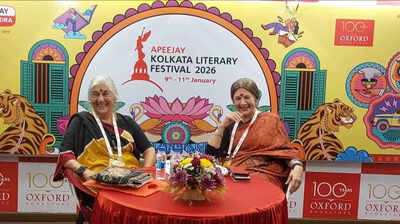
- From the red flag to the written word: Brinda Karat’s memoir of a movement
Trending
From the red flag to the written word: Brinda Karat’s memoir of a movement
End of Article
Follow Us On Social Media
Tired of too many ads?go ad free now
entertainment videos
Featured In Movies

Tired of too many ads?go ad free now



Hot on the Web
Stranger ThingsMalayalam Film IndustryMakar Sankranti WishesBigg Boss Marathi Contestants ListPongal WishesMakar Sankranti MessagesGrammy 2026Baby Boy NamesSteamed Breakfast DishesMakar Sankranti WishesBhogi WishesParasakthi CollectionZodiac SignsIra KhanPlants That Brings Calm LuckJaya BachchanHrithik RoshanBhuvan BamPriyanka ChopraPlatoJana Nayagan MovieThe Raja Saab Box Office CollectionRapper FlipperachiJana NayaganAnaganaga Twitter ReviewDhurandhar Movie CollectionNipah VirusParasakthi Movie CollectionDhurandhar Movie ReviewTaskaree X ReviewWilliam ShakespeareAslam Style Butter Chicken At HomeFlushing Garlic Down ToiletsWorld's Only Floating National ParkTiny Ancient CreatureLongest Venomous King CobraNorthern LightsRichest Men In The WorldApple iPhone 17Makar Sankranti 2026First Medical Evacuation From ISS
Trending Topics
Latest MoviesBollywood MoviesHollywood MoviesTamil Movies 2026Telugu Movies 2026Malayalam Movies 2026Kannada MoviesMarathi MoviesBengali Movies 2026Top Rated Movies 2026Best Hindi MoviesBest English MoviesBest Telugu MoviesBest Tamil MoviesBest Malayalam MoviesBest Kannada MoviesBest Bengali MoviesUpcoming Hindi MoviesBest Movies Of All TimeBest Hindi Movies of All TimeLatest English MoviesLatest Malayalam MoviesEnglish TV NewsTamil TV NewsTelugu TV NewsMalayalam TV NewsKannada TV NewsMovie ReviewsBhojpuri Cinema NewsGujarati Cinema News
Popular Categories
Viral NewsK Pop NewsWeb Series NewsAnime NewsUpcoming English MoviesUpcoming Tamil MoviesUpcoming Telugu MoviesUpcoming Malayalam MoviesUpcoming Kannada MoviesFashion TipsTravel NewsEntertainment NewsBollywood NewsTollywood NewsKollywood NewsMollywood NewsFood NewsLatest Hindi MoviesLatest Tamil MoviesParenting TipsHome RemediesWeight LossBeauty TipsParenting TipsHindi VideosHindi Video SongsBhojpuri Music VideosLatest Telugu MoviesBhojpuri Music VideoHindi TV News
Latest News
The world’s largest beaver dam is so big that you can see it from spaceVivian Dsena exits 'Laughter Chefs: Fun Unlimited 3' for 'new fiction series'? Here's what we knowAs cybersecurity threats rise, ISB Online's Cybersecurity for Leaders programme equips leaders with AI-integrated solutionsThe harvest of vision: How M.S. Swaminathan changed India’s fate'What rubbish is this?': Ex-World Cup winner explodes over Ayush Badoni call-up, hints at favouritismJKBOSE Class 12th result 2026 expected shortly: Official and unofficial websites to check scorecardsMost underrated rom-coms and where to watch them on OTTOnline ticket booking for 170+ ASI monuments and museums now possible: What visitors should knowIND vs NZ: Why Ayush Badoni? Team India breaks silenceNupur Sanon and Stebin Ben’s Mumbai reception: Salman Khan, Disha Patani, Farah Khan, Veer and other celebs at the celebration'The Rip’ Matt Damon and Ben Affleck reflect on their friendship over the years: ‘That's sort of what a real friend is’Watch: E-rickshaw driver carries 1.5-foot snake in pocket to UP hospital after being bitten; police rescue reptileStock market today: Which are top 10 gainers and losers on NSE & BSE on January 14? Check listOnline romance trap in Lucknow: Man duped of Rs 1.92 crore by ‘woman’ who turned out to be a manUPSC CSE 2026 notification will not be released today: Here's what aspirants must knowSA20: Sikandar Raza helps Paarl Royals clinch dramatic last-ball record win against Durban's Super Giants5,000-year-old whale bones and harpoons from Brazil reveal the earliest evidence of organised whalingJosh Allen dating history (2016 to 2026): All about his long-term relationship with Brittany Williams and life with Hailee Steinfeld