- News
- entertainment
- events
- delhi
- Seher's AAnanya Dance Festival
Trending
This story is from October 30, 2010
Seher's AAnanya Dance Festival
A festival, celebrating Indian classical dance, had the audience mesmerised
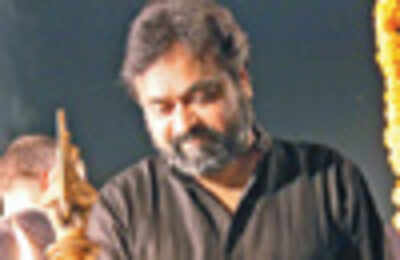
AAnanya Dance Festival, 2010, was organised by Seher, a premier organisation in the area of performing and visual arts at the Purana Quila.
The old fort is a heavenly venue for suchperformances. Dim lights illuminate the lawns and trees, the archesand canopies of the trees are lit up in different hues. And in the evening, at around 7 pm, with the sun setting on a pleasant October evening, it’s the perfect backdrop for a classical dance recital.
At the entrance of the venue, a hundred diyas flickered in the mild wind, looking beautiful. The ceremonial lamp was lit by Jerome Bonafont, the ambassador of France in India and Suresh Goel, director general of ICCR, on the second day of the five -day fest. Hasya kavi Ashok Chakradhar was among the other guests present. Sadhna Srivastav was the emcee for the evening.
‘Ananya’ is an unparalleled celebration of Indian classical dance. Indian dance forms are rooted in tradition but have always adapted to change. They are timeless, just like the monument where this festival was being held.
The second piece, “Allaripu”, depicted the ‘heritage’ of the human body, highlighting geometry. The third piece, “Varsha” was based on poetry from Kalidasa’s “Ritu Samhara”. Rains bring an end to the hot, sultry summer days. And when it rains, everyone delights in. The dancers depicted this by playfully enjoying the rain. When it rains, peacocks open their feathers and dance in the rain. The group of dancers danced beautifully as peacocks. But rain in its destructive form brings floods, disaster and agony.
The second part of the piece depicted a couple who are in the midst of a tiff. The nayika terrified by the thunder, rushes to the security of her beloved’s embrace, bringing an end to the argument. This was depicted by Geeta in a solo performance. She played both the male and female parts, changing her expressions and manner according to the role.
The fourth piece “Pratidhwani” had an abstract theme. Pratidhwani or echo was portrayed by musical notes and dance movements, which were rhythmic and flowing. The music was mostly percussion, with the mridangam used extensively.
The last piece was “Tillana”, again a traditional piece, involving a plethora of movements. It’s about the spirit of celebration and fulfilment. It was a perfect climax to the evening, ending in a crescendo.
The viewers were all in raptures by the end of the performance. Megha Maheshwari, who is doing a PhD in neuroscience and is trained in Kathak and Bharatanatyam, said, “I love the ambience of this place which is a perfect backdrop for such a performance. The dances were beautiful and full of energy.”
Suhela Kapoor, who is also pursuing a PhD, said the performances were simply spell-binding. Mathew Belmonte from Cornel University, USA, who is a visiting professor to India, said he loved watching Indian dance.
When asked how he connected to the dance recitals, despite there being a barrier of culture and language, he said that he followed the eye movements of the performers. Mathew found the dance recitals very fluent and said that it was still difficult for him to grasp fully what was going on stage, themusic and the movements of the various dancers.
Aarushi Mudgal, an upcoming Bharatanatyam dancer, found the performance captivating, especially in the environs of the old fort. She was particularly impressed by “Pratidhwani”.
Radhika Kaw, who was one of the dancers, and has been training for the last 13-and-a-half years said that she trains for three hours every day for 4 to 5 months when rehearsing for a performance. Though Radhika is studying to be a CA, said dance was her priority. “The CA can wait,” she said.
The old fort is a heavenly venue for suchperformances. Dim lights illuminate the lawns and trees, the archesand canopies of the trees are lit up in different hues. And in the evening, at around 7 pm, with the sun setting on a pleasant October evening, it’s the perfect backdrop for a classical dance recital.
At the entrance of the venue, a hundred diyas flickered in the mild wind, looking beautiful.
‘Ananya’ is an unparalleled celebration of Indian classical dance. Indian dance forms are rooted in tradition but have always adapted to change. They are timeless, just like the monument where this festival was being held.
The theme of the evening was “Heritage”. Geeta Chandran performed along with dancers from her NatyaVriksha Dance Company. They presented a selection of classical numbers from the Bharatanatyam repertoire. In “Re-vision”, her presentation for the evening, the choreographer, Geeta Chandran, transformed a solo dance into a group experience and revisited the heritage of Indian classical dance. The first piece was “Mallari,” a traditional Bharatanatyam composition. It was an invocation to the Lord of Chidambaram, Lord Shiva, who is also the god of dance. The dancers wore brightly coloured dresses and their movements were rhythmic and coordinated.
The second piece, “Allaripu”, depicted the ‘heritage’ of the human body, highlighting geometry. The third piece, “Varsha” was based on poetry from Kalidasa’s “Ritu Samhara”. Rains bring an end to the hot, sultry summer days. And when it rains, everyone delights in. The dancers depicted this by playfully enjoying the rain. When it rains, peacocks open their feathers and dance in the rain. The group of dancers danced beautifully as peacocks. But rain in its destructive form brings floods, disaster and agony.
The second part of the piece depicted a couple who are in the midst of a tiff. The nayika terrified by the thunder, rushes to the security of her beloved’s embrace, bringing an end to the argument. This was depicted by Geeta in a solo performance. She played both the male and female parts, changing her expressions and manner according to the role.
The fourth piece “Pratidhwani” had an abstract theme. Pratidhwani or echo was portrayed by musical notes and dance movements, which were rhythmic and flowing. The music was mostly percussion, with the mridangam used extensively.
The last piece was “Tillana”, again a traditional piece, involving a plethora of movements. It’s about the spirit of celebration and fulfilment. It was a perfect climax to the evening, ending in a crescendo.
The viewers were all in raptures by the end of the performance. Megha Maheshwari, who is doing a PhD in neuroscience and is trained in Kathak and Bharatanatyam, said, “I love the ambience of this place which is a perfect backdrop for such a performance. The dances were beautiful and full of energy.”
Suhela Kapoor, who is also pursuing a PhD, said the performances were simply spell-binding. Mathew Belmonte from Cornel University, USA, who is a visiting professor to India, said he loved watching Indian dance.
When asked how he connected to the dance recitals, despite there being a barrier of culture and language, he said that he followed the eye movements of the performers. Mathew found the dance recitals very fluent and said that it was still difficult for him to grasp fully what was going on stage, themusic and the movements of the various dancers.
Aarushi Mudgal, an upcoming Bharatanatyam dancer, found the performance captivating, especially in the environs of the old fort. She was particularly impressed by “Pratidhwani”.
Radhika Kaw, who was one of the dancers, and has been training for the last 13-and-a-half years said that she trains for three hours every day for 4 to 5 months when rehearsing for a performance. Though Radhika is studying to be a CA, said dance was her priority. “The CA can wait,” she said.
End of Article
FOLLOW US ON SOCIAL MEDIA



entertainment videos
Featured In Movies

Popular Categories
Entertainment NewsBollywood NewsTollywood NewsKollywood NewsMollywood NewsMovie ReviewsLatest Hindi MoviesLatest Tamil MoviesMX PlayerParenting TipsHome RemediesWeight LossBeauty TipsParenting TipsHindi VideosHindi Video SongsBhojpuri Music VideosLatest Telugu MoviesBhojpuri Music VideoHindi TV News
Trending in Entertainment
Latest MoviesBollywood MoviesHollywood MoviesTamil Movies 2024Telugu Movies 2024Malayalam Movies 2024Kannada Movies 2024Marathi Movies 2024Bengali Movies 2024Top Rated Movies 2024Best Hindi MoviesBest English MoviesBest Telugu MoviesBest Tamil MoviesBest Malayalam MoviesBest Kannada MoviesBest Bengali MoviesUpcoming Hindi MoviesBest Movies Of All TimeBest Hindi Movies of All Time
Trending in Etimes
Horoscope TodayNumerology Predictions TodayDinner With TrumpTim WalzIvanka TrumpJose LopezKristina JoksimovicJoe WilsonTrump Eating The Dogs SongGermany NewsKamala HarrisPrince HarryPatriot Day 2024Diabetes RiskHappy Mindfulness Day 2024Trump Vs HarrisJoe JonasPositive Thinking Day 2024Dave Bautista
Trending in TV
Trending in Lifestyle
Trending in Regional
Movie Reviews
Visfot ReviewThalapathy Is The G.O.A.T ReviewRebel Ridge ReviewDetective Conan vs. Kid the Phantom Thief ReviewBeetlejuice Beetlejuice ReviewPad Gaye Pange ReviewA Wedding Story ReviewThe Diary Of West Bengal ReviewTikdam ReviewKinds Of Kindness ReviewAfraid ReviewThe Deliverance ReviewBlue Lock: Episode Nagi ReviewDaddio Review
Upcoming Hindi Movies
Upcoming Regional Movies
Latest News
7. Hindi becomes officialJulie Chen to miss Big Brother live eviction for first time, taps Jerry O'Connell to hostRaveena Tandon apologizes to fans for not photo snub in London: "It was not my intention to offend"Bonedi baris hope for a peaceful start to PujoNIA raids pro-Khalistan preacher Amritpal Singh's relative's house in AmritsarA vision unfolds: How Levitation is crafting tomorrow’s enterprise solutionsPreschools turn nursing homes, retirement age raised: China's demographic crisis explodesTovino Thomas praises Prithviraj Sukumaran as director: "One of the brilliant directors I have ever worked with"Tragedy strikes at fundraiser: Mother of two dies after marshmallow-eating competitionMan shot near Delhi's Greater Kailash-I gym, gang war suspected8 animals that reproduce without mating'Cops stood as mute spectators': Protesting doctors write to President over RG Kar impasseFatal crash in Australia's Netherby claims life of ToddlerNASA to establish New Lunar Time Standard with Coordinated Lunar Time (LTC) initiativeDivya Bansal explores themes of human resilience, love and positive transformation in debut poetry bookWWE Superstar Cody Rhodes and his Wife Brandi Rhodes Share Special Messages on Their 11th AnniversaryAnupamaa: Anuj and Anu to go legal against Ankush and BarkhaTop 5 least private zodiac signs
Other Group Sites -
ETimes is an Entertainment, TV & Lifestyle industrys promotional website and carries advertorials and native advertising.