- News
- entertainment
- events
- chandigarh
- Indian Peoples Theater Association to protest with farmers
Trending
This story is from September 21, 2020
Indian Peoples Theater Association to protest with farmers
Indian Peoples Theater Association , Punjab has announced their support to stand with the farmers of the country in their on-going struggle for their rights across the three Agriculture Bills
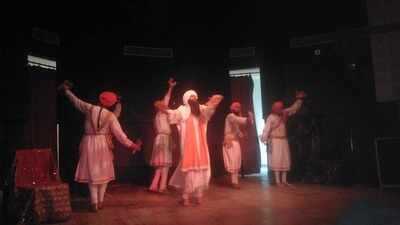

Disclosing this in Chandigarh on Monday, IPTA, Punjab President, Sanjeevan Singh and General Secretary, Inderjit Rupowali said that IPTA’s districts representatives have been apprised about the decision of the state unit of IPTA, and has been requested to take part in the protests and demonstrations initiated by the farmers at national leval.
The district representatives include, JC Parinda from Bathinda, Megh Raj Ralla from Mansa, Dalbar Singh Chattha Sekhwan from Sangrur, Harjit Kanth from Patiala. Narinder Pal Nina from Mohali, Surinder Rasulpur and Rabinder Rabbi from Ropar, Balbir Moodhal from Amritsar, Gurmeet Pahra from Gurdaspur, Dr. Harbhajan Singh, Pradeep Sharma and Rajwinder Samrala from Ludhiana, Prof. Gurpreet Singh from Nawanshahr, Avtar Singh from Moga, Neeraj Kaushik from Jalandhar, Prof. Gurpreet Singh from Hoshiarpur and Sukhdeep Singh Bhullar from Fazilka.
IPTA was formed in India pre-Partition during the Quit India movement. Then, theatre was also being used as a tool to spread the freedom struggle in the country. IPTA movement in drama and theatre was brought greater participation from common people in various art activities, especially in theatre. This resulted in bringing drama closer to the daily life of people. Theatre was used to sensitise people on social issues.
End of Article
FOLLOW US ON SOCIAL MEDIA









Photostories
entertainment videos
Featured In Movies

Popular Categories
Entertainment NewsBollywood NewsTollywood NewsKollywood NewsMollywood NewsMovie ReviewsLatest Hindi MoviesLatest Tamil MoviesMX PlayerParenting TipsHome RemediesWeight LossBeauty TipsParenting TipsHindi VideosHindi Video SongsBhojpuri Music VideosLatest Telugu MoviesBhojpuri Music VideoHindi TV News
Trending in Entertainment
Latest MoviesBollywood MoviesHollywood MoviesTamil Movies 2024Telugu Movies 2024Malayalam Movies 2024Kannada Movies 2024Marathi Movies 2024Bengali Movies 2024Top Rated Movies 2024Best Hindi MoviesBest English MoviesBest Telugu MoviesBest Tamil MoviesBest Malayalam MoviesBest Kannada MoviesBest Bengali MoviesUpcoming Hindi MoviesBest Movies Of All TimeBest Hindi Movies of All Time
Trending in Etimes
Horoscope TodayNumerology Predictions TodayAustria ElectionJoe BidenKamala HarrisPopulated Indian CitiesAlcohol Cancer RiskIsrael Beirut WarSunita WilliamsIsrael Hezbollah WarNepal FloodBarbra StreisandSnoring Prevention TipsDonald TrumpMagnesium DeficiencyRelationship TipsLake Michigan DiscoveryElon MuskEkadashi in October 2024
Trending in TV
Trending in Lifestyle
Trending in Regional
Movie Reviews
Binny And Family ReviewLove, Sitara ReviewWill & Harper ReviewWolfs ReviewYudhra ReviewJo Tera Hai Woh Mera Hai ReviewKahan Shuru Kahan Khatam ReviewHis Three Daughters ReviewNever Let Go ReviewDancing Village: The Curse Begins ReviewTransformers One ReviewFirst Love ReviewBerlin ReviewThe Buckingham Murders Review
Upcoming Hindi Movies
Upcoming Regional Movies
Latest News
Zodiac Signs as Romantic Movie CouplesJapanese artist’s tribute to Indian classical dance formAnanya Panday unveils her Amol Palekar-inspired look in quirky BTS PICS from 'CTRL’Sanjay Dutt celebrates 'Gandhigiri', shares a scene from 'Lage Raho Munna Bhai'Women's T20 World Cup 2024: Teams, format, venues, defending champions and more FAQs answeredGovinda's bullet injury: Mumbai police not convinced with actor's version but rule out foul playGovt proposes to bring motorcycles under ‘contract carriage’ by amending MV ActHaircuts and colours to try out this PujoTriptii Dimri denies skipping the Jaipur event after allegations of charging an appearance feeMaharashtra assembly polls: Deputy CM Ajit Pawar meets Union home minster Amit Shah amid Mahayuti tensions over NCP, seat-sharingWatch: Orry channels Aishwarya Rai in a hilarious tribute to Shah Rukh Khan and Amitabh Bachchan starrer 'Mohabbatein'NFL insider reveals Raiders’ asking price for star wide receiver Davante Adams amid trade speculationAnanya Panday on being called the upcoming Alia Bhatt: I can't touch what she has doneFormer WWE Champion Jeff Hardy talks about “addiction struggles”'Scam marathon' under JMM-Congress-RJD rule 'biggest obstacle' to Jharkhand's development: PM ModiWhy you must run in the morning on an empty stomachManipur CM Biren Sing bats for political talks to resolve crisis in stateWHO chief praises PM Modi on 10th anivarsary of Swachh Bharat mission
Other Group Sites -
ETimes is an Entertainment, TV & Lifestyle industrys promotional website and carries advertorials and native advertising.