In Kolkata, bookstores have always been more than retail. They are places to pause, to think, to belong. As Calcutta Times marks 25 years, the city’s bookstores show how they’ve adapted, not by competing with the digital world, but by offering something it cannot: presence, texture, and community.
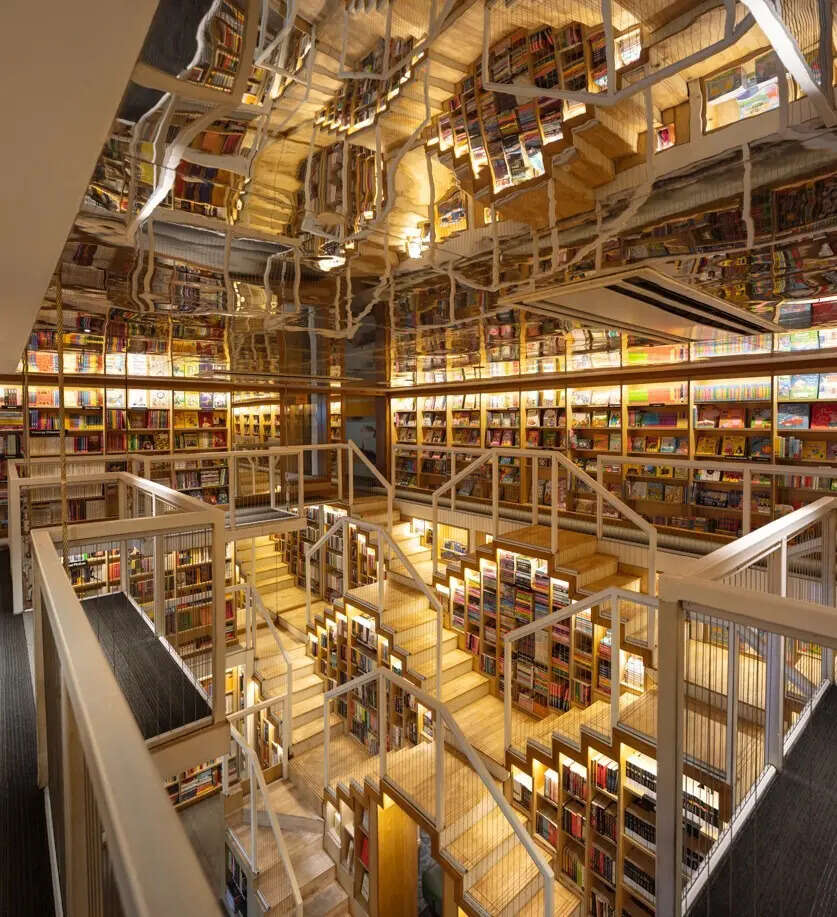
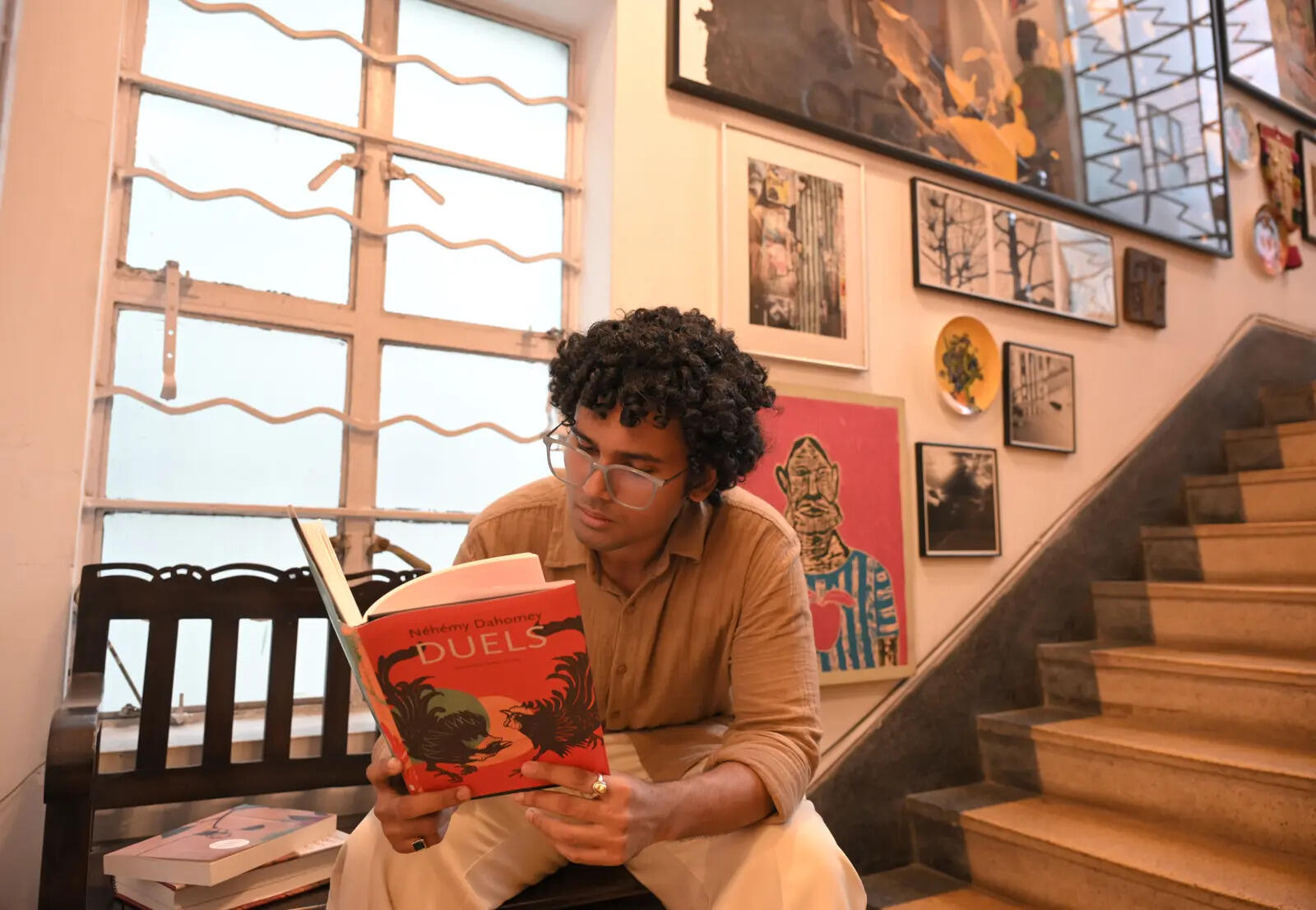
More than a bookstore: Designing for experienceAt Story Bookstore, the idea of a bookstore as a space, not just a shop, is intentional. “We wanted Story to feel like a place where people can slow down, explore, and spend time,” says Shambhavi Pansari, Director. Everything, from the layout to the lighting, is designed to encourage discovery. People walk in without a purchase in mind, linger, browse, return. Even its visual appeal, often shared on social media, has helped bring in younger visitors, many of whom come as much for the atmosphere as for the books. Importantly, browsing without buying isn’t seen as a problem. It’s part of building a relationship. The bookstore becomes familiar before it becomes transactional. “I often go in after work with no intention of buying anything,” says college student Rhea Singh. “But I end up spending an hour there. It feels like a pause button in the middle of the city.”
pics : Anindya Saha
We chose to open our store in this city because the interest in books here is still very real. People are engaged, they have clear preferences, and they like discovering as much as they like revisiting familiar authors. The response has shown us that readers here value both curation and conversation, so the idea was to create a space that reflects that balance
Jayti Basu, Manager of kolkata branch of Bahrisons
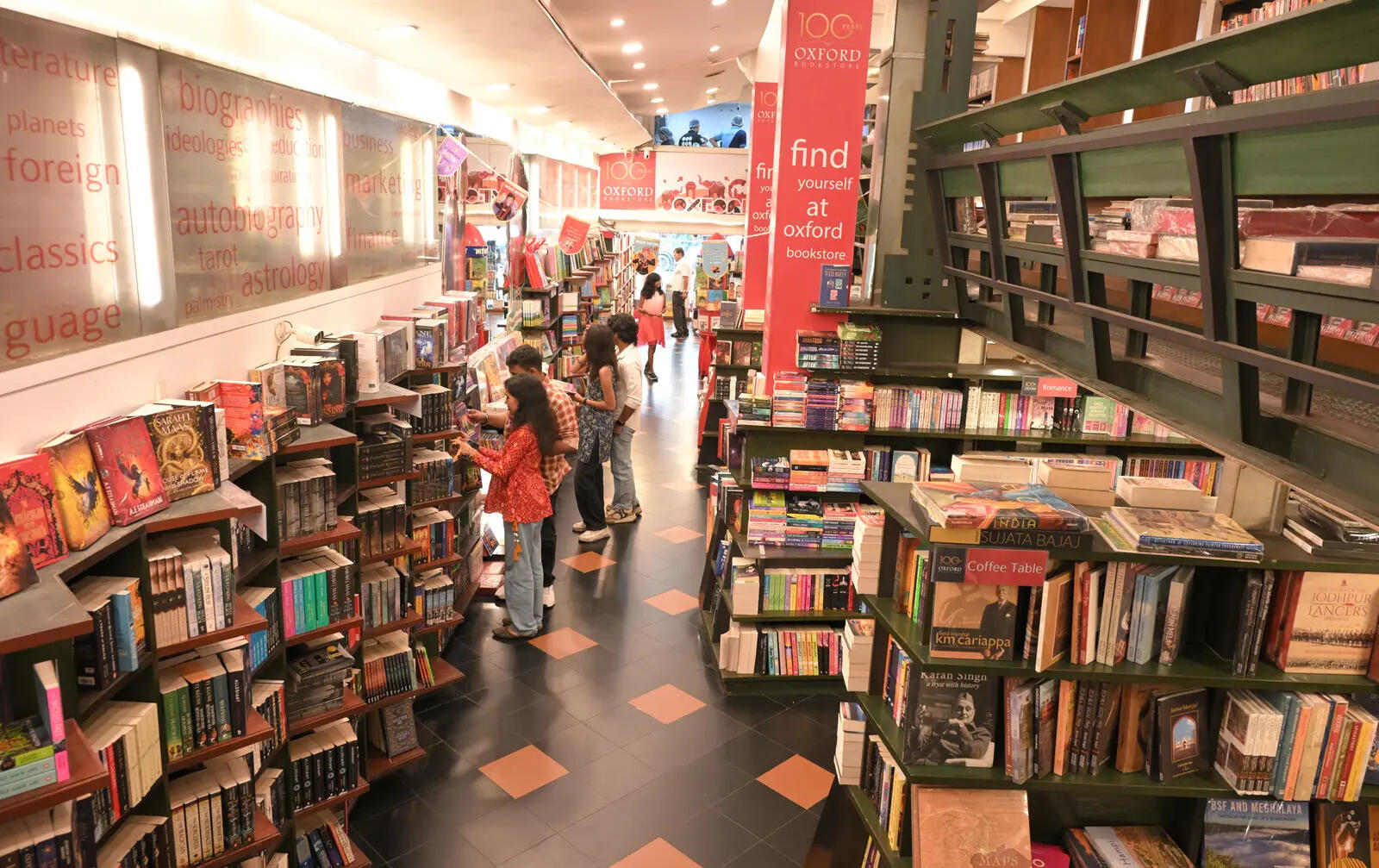
Few places embody this shift as strongly as Oxford Bookstore.
“You aren’t just entering a shop; you are stepping into a living history of Kolkata’s intellectual soul,” says CEO Swagat Sengupta. Over time, Oxford has evolved into a cultural institution, hosting literary festivals, discussions, and author interactions that turn reading into a shared, public act. In an age of online discovery, its strength lies in what cannot be replicated digitally: the tactile joy of books, the serendipity of stumbling upon something unexpected, the immersion of a physical space. It’s not about resisting change. It’s about complementing it, allowing digital discovery to lead readers back into real-world spaces. “For me, it’s not just about buying a book,” says 26-year-old marketing professional, Jyoti Prakash Dey. “It’s about finding something I didn’t know I was looking for, and that only happens when I’m physically there.”
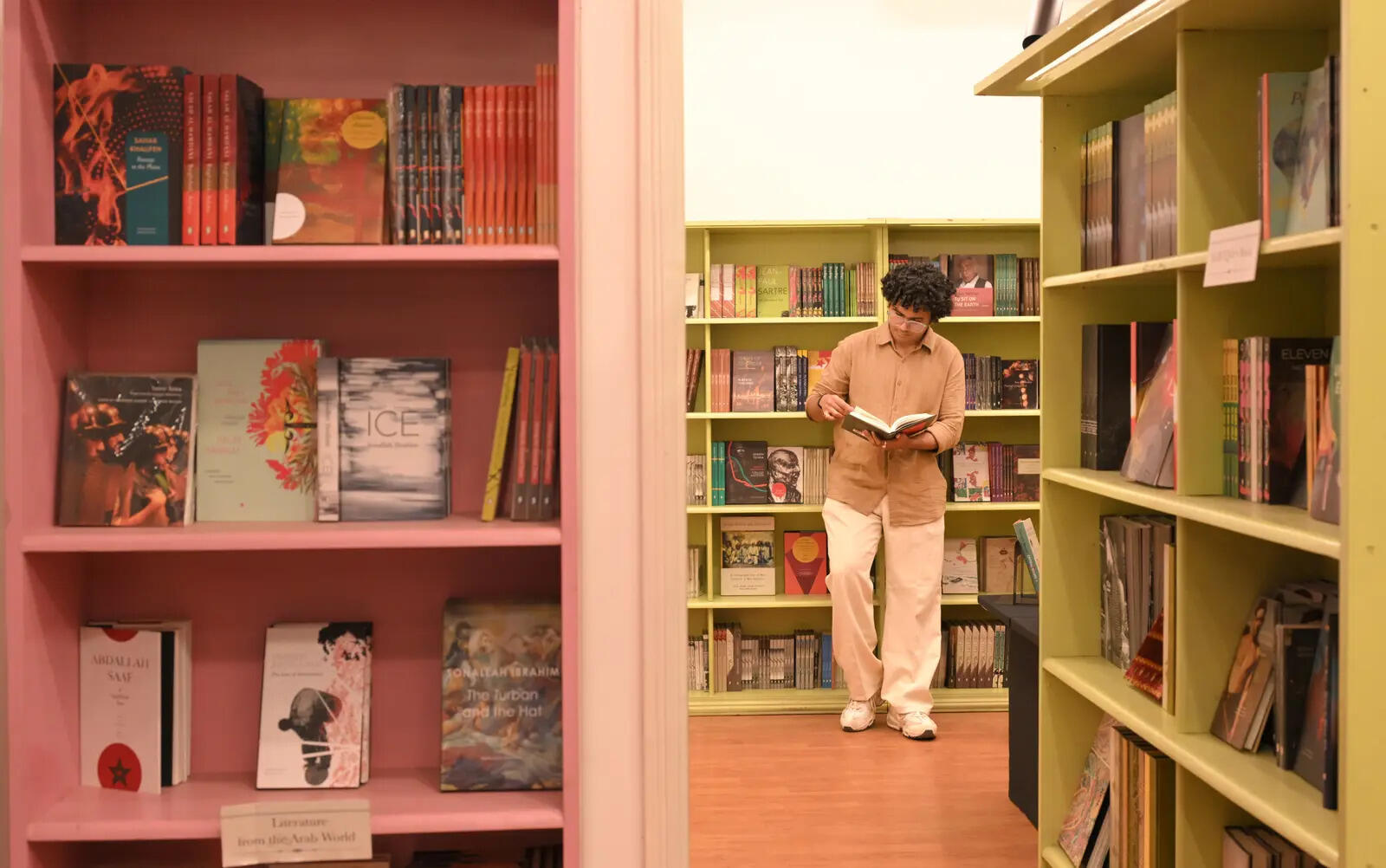
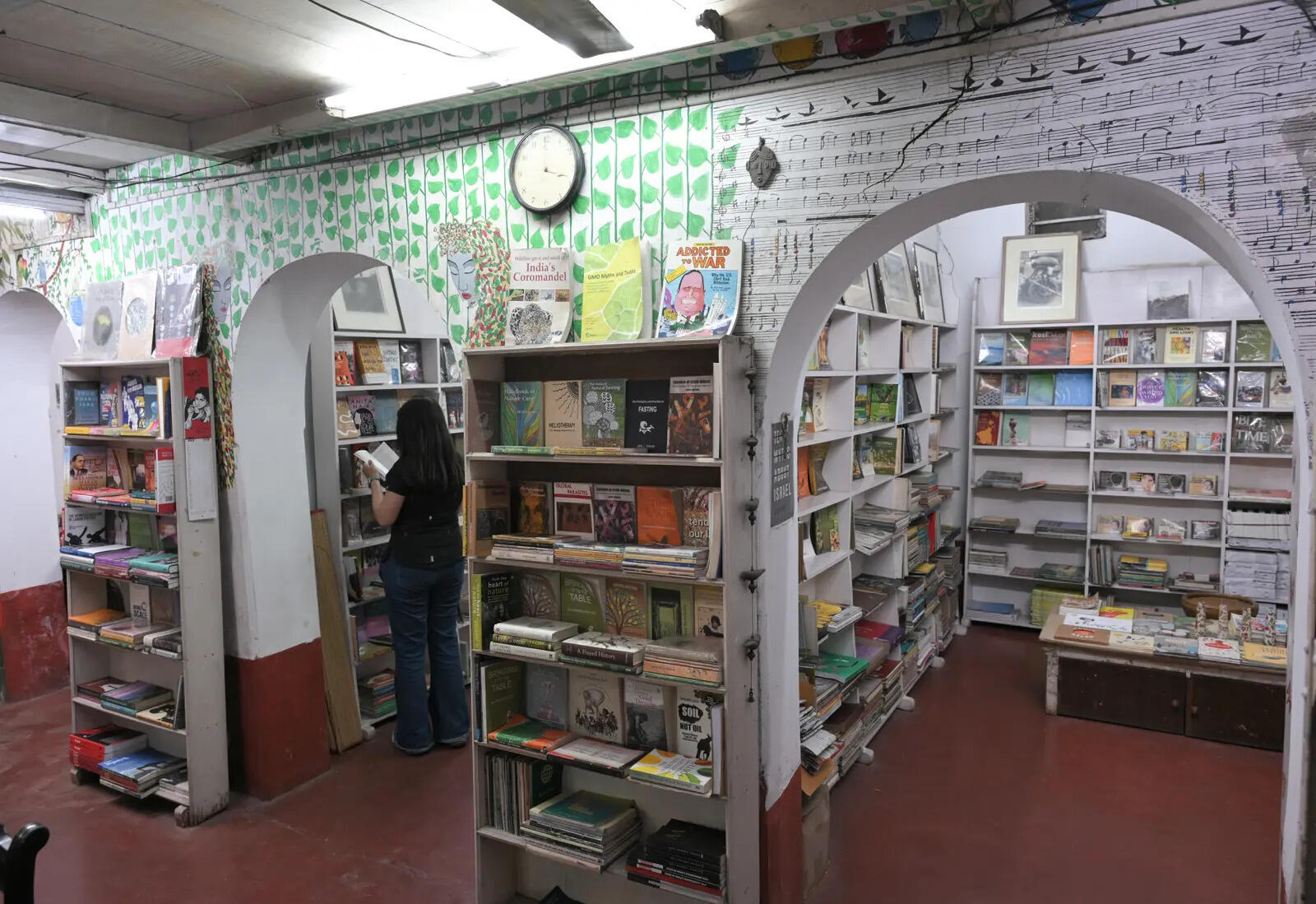
Curated worlds, not just collectionsAt Seagull Books, the bookstore is less about what’s new and more about what endures. Editor Diven Nagpal describes it as a “perpetual archive,” where books from decades ago sit alongside newer titles, refusing the industry’s obsession with constant turnover. The space itself is fluid, doubling as an exhibition venue where books coexist with art. It offers something beyond the product: a sense of curation, of trust. Much like a filmgoer might follow a production house, readers come here trusting Seagull’s taste. A similar sense of conviction shapes Earthcare Books. What began as a general bookstore evolved organically into a space centred on ecology, sustainability, and political thought. “It’s not about what’s selling, it’s about what we think people should be reading,” says Vinita Mansata.Events here, whether on agroecology or global politics, are not designed for footfall, but for relevance. The bookstore becomes an extension of belief, not just business.
People come because they trust our curation- it’s about taste as much as titles. But bookstores today survive only if they offer more than books; competing with online prices alone is nearly impossible.
- Diven Nagpal, editor , Seagull books
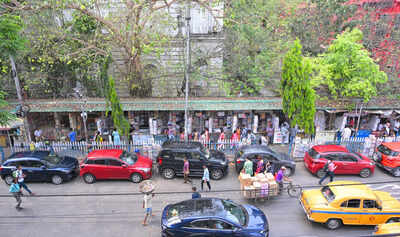
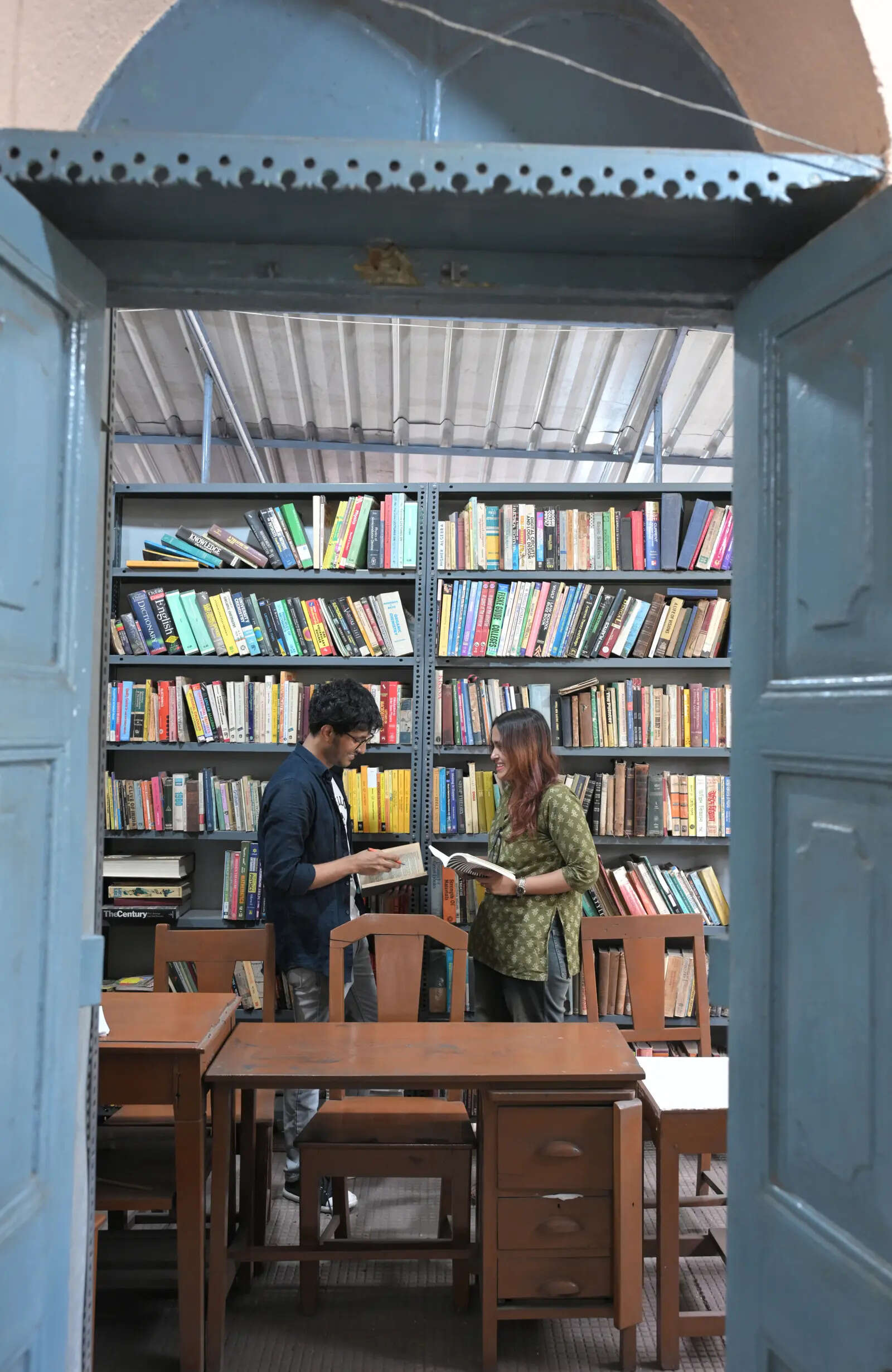
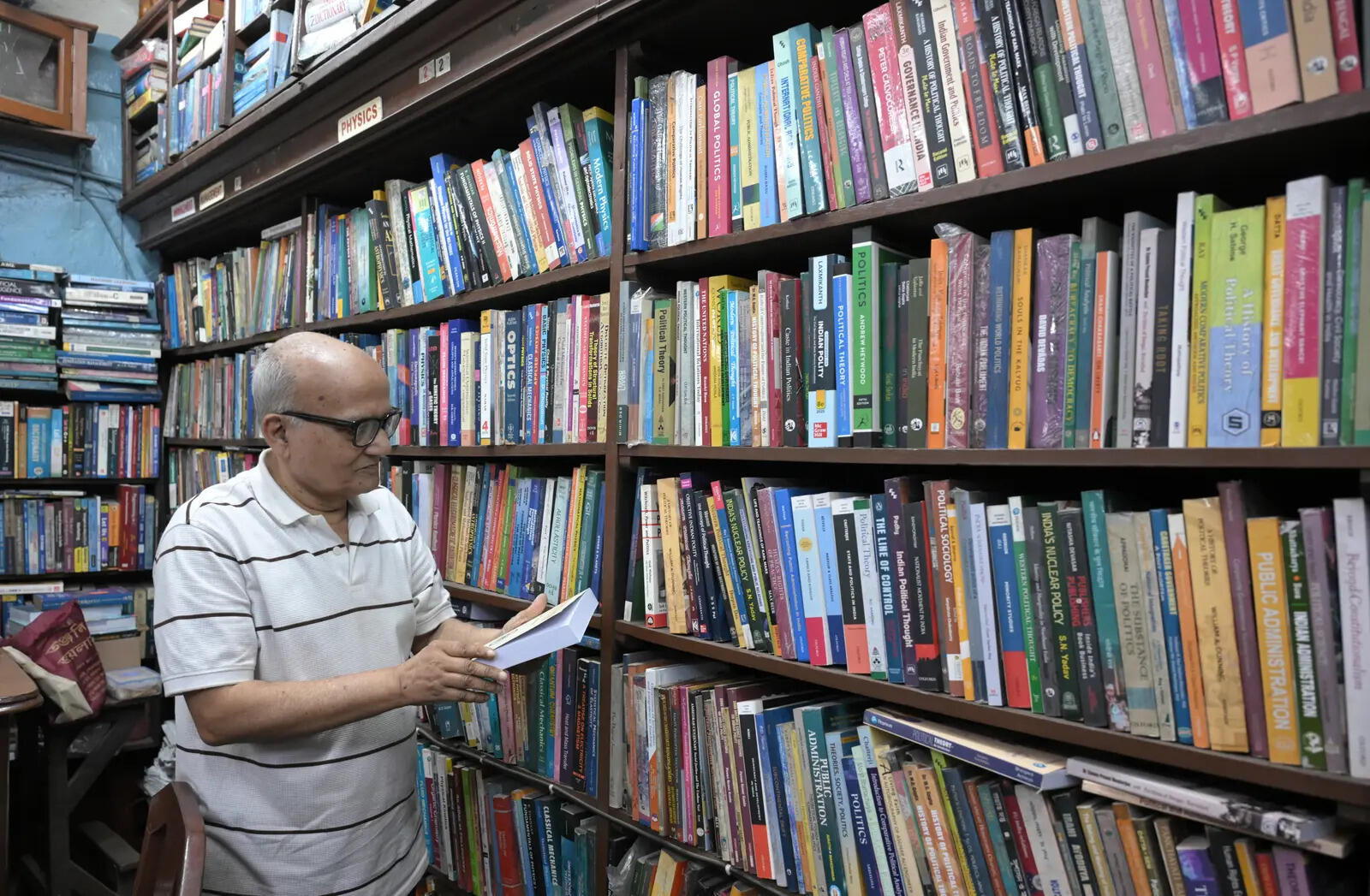
Then there are institutions like Dasgupta & Co., where the story of the bookstore is inseparable from the story of the city. Managing Director Arabinda Das Gupta traces its origins back generations, to a time when Kolkata’s academic life shaped its reading culture. He has seen reading habits change, towards faster, more fragmented consumption, but remains firm in his belief: “Without physical reading, one cannot truly read.” For him, books are not just information, but experience- something to be held, returned to, and passed on. Across decades, what has endured are the relationships, between booksellers and readers, between spaces and the people who inhabit them. Kolkata’s bookstores today are many things at once: quiet refuges, cultural stages, personal archives, and evolving experiments. They host conversations, invite loitering, and reward curiosity. And perhaps that’s why, even now, they continue to matter, not just as places where books are sold, but as places where a city still reads itself.
Our journey began generations ago, when this city was already an intellectual hub, and we’ve grown alongside it. Much has changed, but books remain more than information- they’re continuity, something deeper we must hold on to.
Arabinda Das Gupta, Managing Director , Dasgupta & Co. Private Ltd.