- News
- entertainment
- english
- hollywood
- Fire in Babylon will make you cry
Trending
This story is from September 23, 2012
Fire in Babylon will make you cry
Carry a hanky to Fire in Babylon (FIB) — it’s going to make you cry. And not just in joy as you watch the West Indies playing such beautiful cricket, as Michael Holding recollects, “No other sporting team anywhere in the world dominated their sport for 15 years.
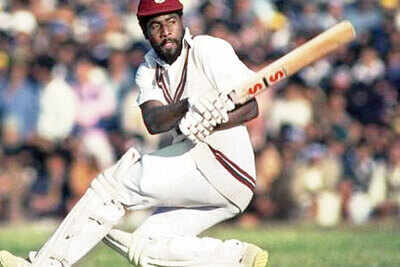
You’ll cry when you see an age many of us never knew, when racism was rife and people denied everything because of their skin colour.

A richly researched documentary, FIB depicts how a team of West Indies fighters channelled anger into sporting aggression, snatched victory from a world which wanted to, as English captain Tony Greig said, “Make them grovel” — and did it so stylishly, Colin Croft remembers Rastafarian icon Bob Marley telling them they were his heroes! As the team dismissed as ‘Calypso cricketers’ began playing hardball, Croft recalls, “We were called terrorists. Murderers.” But the boys ignored unfair jibes. Andy Roberts says their attitude became, “If you can’t take the heat, get out,” while Viv Richards smiles, “The only way you could get me out was if you knocked me out.” Viv recalls being unafraid, “My bat was my sword.” What he sported was a gift from Bob Marley — “An armband with the colours of Africa. Green for the land itself. Yellow for the gold stripped away. And red for the blood that was shed.”
Even as your eyes fill at West Indian cricket overcoming the harshest prejudice, reserve that hanky for the end. You’ll need it for those hot-shots of gorgeous Viv making English girls swoon. And then recollecting with humility, “Desmond Tutu told me how I had helped fight Apartheid in my own little way."
Imran Khan, captain of the Pakistani cricket team during the period when the West Indians ruled the world of cricket speaks to TOI from Pakistan
What do you think about the film?
It’s a significant film that should have been made earlier because people needed to be reminded of that West Indian era. My only grudge with the film is that it should have shown a little more of coverage of their actual cricket just to show the quality of the cricket they had.
You have always said that Vivian Richards is the greatest batsman ever — Why?
I didn’t see Bradman or Gary Sobers, but of the players I bowled to Vivian Richards was by far the best.
I believe you told Stevan Riley that when you chose your team against the West Indians you used to take the most fearless players in your team. Can you tell us about this?
You needed to have mental strength to face them. Apart from the physical ability or the technical skill, you needed the mental strength to face the onslaught of their bowlers. Each one of them was a match winner.
— Priya Gupta
End of Article
FOLLOW US ON SOCIAL MEDIA
Visual Stories








Photostories
entertainment videos
Featured In Movies

Popular Categories
Entertainment NewsBollywood NewsTollywood NewsKollywood NewsMollywood NewsMovie ReviewsLatest Hindi MoviesLatest Tamil MoviesMX PlayerParenting TipsHome RemediesWeight LossBeauty TipsParenting TipsHindi VideosHindi Video SongsBhojpuri Music VideosLatest Telugu MoviesBhojpuri Music VideoHindi TV News
Trending in Entertainment
Latest MoviesBollywood MoviesHollywood MoviesTamil Movies 2024Telugu Movies 2024Malayalam Movies 2024Kannada Movies 2024Marathi Movies 2024Bengali Movies 2024Top Rated Movies 2024Best Hindi MoviesBest English MoviesBest Telugu MoviesBest Tamil MoviesBest Malayalam MoviesBest Kannada MoviesBest Bengali MoviesUpcoming Hindi MoviesBest Movies Of All TimeBest Hindi Movies of All Time
Trending in Etimes
Horoscope TodayNumerology Predictions TodayMoon DengHelicopter Crash NewsKamala HarrisJimmy KimmelBelly FatSean Diddy CombsSunita WilliamsDepression RiskBelly Fat LossMexican Mayor MurderToxic FriendshipDonald TrumpElon MuskOzempic SubstituteLake Michigan DiscoveryWeight Loss WalkCovid XEC Variant Symptoms
Trending in TV
Trending in Lifestyle
Trending in Regional
Movie Reviews
Binny And Family ReviewLove, Sitara ReviewWill & Harper ReviewWolfs ReviewYudhra ReviewJo Tera Hai Woh Mera Hai ReviewKahan Shuru Kahan Khatam ReviewHis Three Daughters ReviewNever Let Go ReviewDancing Village: The Curse Begins ReviewTransformers One ReviewFirst Love ReviewBerlin ReviewThe Buckingham Murders Review
Upcoming Hindi Movies
Upcoming Regional Movies
Latest News
Ambala Cantt Assembly Election Result 2024: BJP's big gun Anil Vij defeats Chitra Sarwara by over 7000 votes5 must follow rules of Ayurveda to lose 5kg in 30 daysUniversity of East Anglia Introduces £4,000 Scholarship for Indian Students: Explore Courses, Eligibility, and BenefitsTodd Phillips explains SHOCKING CLIMAX of 'Joker: Folie à Deux', reveals Arthur Fleck acceptance of his true identityThe Power of Navratri: Honoring Goddess Durga and Manifesting DesiresAlia Bhatt just cannot keep calm on watching 'Singham Again' trailer, says 'all the dynamite in one frame' for the big multi-starrer led by Ajay Devgn3 reasons why Jimmy Uso can betray Roman Reigns and join forces with Solo SikoaThis is the stock trading app linked to Rs 500 crore investment fraud; YouTubers Elvish Yadav, Bharti Singh among 5 summonedMonetary policy committee meet: RBI moving closer to rate cutIndian branded pharma sector to see a decline in growth: ReportFrom spending habits to hiding reality: What each zodiac sign is likely to lie about2024 Haryana assembly election result: 5 reasons why BJP's victory is significantKathua (SC) Assembly Election Result 2024: BJP's Dr Bharat Bhushan wins by 12,177 votesTaylor Swift surpasses Rihanna in Music Rich list: A look at her impressive net worthAlexander Zverev scrapes through, set to face David Goffin at Shanghai Masters pre-quarters3 killed after an Air Evacuation helicopter crashes in Owen County"We do it every day in practice”: Kansas City Chiefs Head Coach Andy Reid Confirms Travis Kelce’s 3rd And 22 Lateral Play Was PlannedBest TVs Of 2024 In India: Top Picks For Every Budget
Other Group Sites -
ETimes is an Entertainment, TV & Lifestyle industrys promotional website and carries advertorials and native advertising.