
- News
- entertainment
- I don’t see myself as a master, but as a lifelong student: Chandan Sen
Trending
I don’t see myself as a master, but as a lifelong student: Chandan Sen
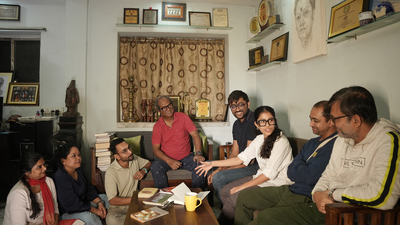
Chandan Sen with his students
Utpal da used to say, ‘Three bearded men – Shakespeare, O’Neill, and Rabindranath Tagore, have disrupted our lives. Whenever you think you’ve created something grand, you’ll find one of them has already done it before’
Chandan Sen
- Utpal Dutt
- Ramaprasad Banik
- Indrashis Lahiri
- Mohit Chattopadhyay
- Badal Sircar
End of Article
Follow Us On Social Media
Tired of too many ads?go ad free now
entertainment videos
Featured In Movies
![Article image for: 'Dhurandhar 2' BO day 11 [LIVE]: Ranveer Singh film crosses Rs 800 crore net](https://static.toiimg.com/photo/83033472.cms)
Tired of too many ads?go ad free now




Hot on the Web
Akshay KumarDhurandhar 2 Box Office CollectionMaya Angelou QuoteRajpal YadavDanish PandorAnurag Dobhal Baby NewsMukesh ChhabraSnake Hole vs Rodent HoleYami GautamAamir KhanDhurandhar 2 ReviewPanchhi 2 Movie ReviewUstaad Bhagat Singh CollectionShatrughan SinhaR MadhavanAmita Singh TomarMagnesium Deficiency SymptomsDhurandhar 2 CollectionJames TolkanSaba AzadKaattaan Season 1 ReviewLate Bloomer Season 1 ReviewPuneeth Rajkumar HomeMovierulzAadu 3 Box Office CollectionHoroscope TodayVaranasiBrahmanandam HouseRamayana Ranbir Kapoor LookPeddi TeaserToday Gold Rate in ChennaiDelhi Weather TodayDelhi AQI TodayMumbai AQI TodayMaharashtra Public Holidays 2026Basketball Zero CodesJamie DimonHades 2Sam AltmanRedmi 15AMelinda French Gates
Trending Topics
Latest MoviesBollywood MoviesHollywood MoviesTamil Movies 2026Telugu Movies 2026Malayalam Movies 2026Kannada MoviesMarathi MoviesBengali Movies 2026Top Rated Movies 2026Best Hindi MoviesBest English MoviesBest Telugu MoviesBest Tamil MoviesBest Malayalam MoviesBest Kannada MoviesBest Bengali MoviesUpcoming Hindi MoviesBest Movies Of All TimeBest Hindi Movies of All TimeLatest English MoviesLatest Malayalam MoviesEnglish TV NewsTamil TV NewsTelugu TV NewsMalayalam TV NewsKannada TV NewsMovie ReviewsBhojpuri Cinema NewsGujarati Cinema News
Popular Categories
Viral NewsK Pop NewsWeb Series NewsAnime NewsUpcoming English MoviesUpcoming Tamil MoviesUpcoming Telugu MoviesUpcoming Malayalam MoviesUpcoming Kannada MoviesFashion TipsTravel NewsEntertainment NewsBollywood NewsTollywood NewsKollywood NewsMollywood NewsFood NewsLatest Hindi MoviesLatest Tamil MoviesParenting TipsHome RemediesWeight LossBeauty TipsParenting TipsHindi VideosHindi Video SongsBhojpuri Music VideosLatest Telugu MoviesBhojpuri Music VideoHindi TV News
Latest News
Strait of Hormuz chokehold: What is happening to petrol prices in India and neighbouring nations amid oil supply crunch?Abhijeet Ghoshal compares ‘Clubmix Hanuman Chalisa’ to BTS, BLACKPINK: Says it is ‘even more interesting than all of them’Bihar Board 10th Result 2026: BSEB Scrutiny Process Starts April 1, Results By May 31Kartik Aaryan sports rugged long hair and a beard in leaked pictures from the Anurag Basu film's Kashmir schedule - ReportsIPL 2026, MI vs KKR: 5 players to watch out forMMRDA earns top rank in MaharashtraKolkata sees rise of ‘offline dating’ as home-style meetups draw young crowds'BJP says can't eat fish, meat': Mamta Banerjee campaigns in PuruliaBSEB Class 10th Result 2026: 81.79% Students Pass, Pushpanjali Kumari And Parveen Secure Top RankOman government takes over SalamAir, airlines to continue operating separatelyWeekly Wealth Horoscope Predictions, March 29 to April 04, 2026: Your money luck for the weekStar Singer: Gayathri grabs a Golden Star with KS Chithra's 'Ezhimala Poonchola.'After Nepal ex-PM Oli, former minister Deepak Khadka arrested in Gen Z protestsRanveer Singh sings Hanumankind's verse from 'Dhurandhar' as Sanjay Dutt grooves along at birthday party - Watch VideoZara x Willy Chavarria's ‘Vatisimo’ collab collection is breaking the internet and everyone wants a pieceDid Kubbra Sait just take a dig at actors undergoing surgery for unrealistic body standards? says, 'Why are we insecure?US man who used ChatGPT to sell his home for $1 million, says ChatGPT told him you are going to get biggest return on...'Dhurandhar The Revenge' actor Manav Gohil on viral memes: 'Audiences no longer appreciate films made purely for profit'