- News
- entertainment
- bengali
- movies
- <arttitle><i> </i> Theatre Review:Chairs<i/></arttitle>
Trending
This story is from September 22, 2012
Theatre Review:Chairs
It���s never easy to stage works of a dramatist who believed in ���theatre of violence ��� violently comic, violently dramatic���.
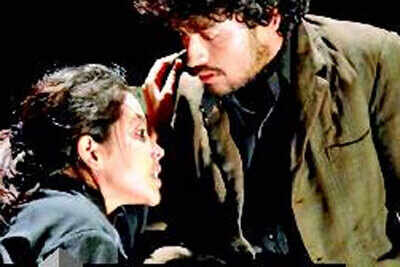
It���s never easy to stage works of a dramatist who believed in ���theatre of violence ��� violently comic, violently dramatic���.
The thought of getting it right might seem particularly impossible when the title of the play is based on one of the most commonplace objects ��� incapable of any violence ��� chairs! But a handful of young but extremely able legs support this Hypokrites production, inspired by Eugene Ionesco���s absurdist work Les Chaises or Chairs, which plays around with the theme of absence.

Writer-director Asijit Datta confronts the challenges posed by absurd drama upfront by utilizing the disjointed forces of the genre to weave in a subtle message at the end of the play. Chairs revolves around a married couple, Bojor and Fj��der (meaning ���shackles��� and ���feather���), who feel suffocated in their routine life and seek refuge in a world of fantasy they create through their assumptions, discussions, collisions and consequent declarations. As the play progresses, they lay out chairs for an invisible audience as they prepare to welcome an orator who would deliver the message of sanity to mankind.
The hero of this play is Arnab Basu as Bojor. With his body language, dialogue delivery and deft use of the stage, he reminds you of a Feste or Touchstone ��� endearingly incredible. Although Dipanwita Chatterjee is more about dramatic facial expressions and hand gestures, she touches a chord as Fj��der. Anindya Sain as the orator, who ironically is deaf and mute, ends the play with his sound act.
The dialogues, written by Datta, play a role in themselves as they invoke ��� and also provoke ��� the audience to go beyond the verbose sentences. The play draws amply from
the Bible to depict the rise and fall of humanity ��� traversing a journey from Christ���s sacrifice to the consequent wars around the world in the name of religion. The scene in which Bojor bravely but mournfully twists some lines of the prayer to say, ���Give us this day our daily bread��� and clothes, and soup��� and forgive us our trespasses, as we don���t forgive those who trespass against us,��� is hard hitting.
The colours black and white have been used on stage ��� in costumes, curtains, and of course, chairs ��� to conjure a believable fantasy. Although it���s hardly rickety in its narrative ��� except for maybe the music, which should have had a stronger impact ��� Chair(s) moves you, and for once, it���s not the other way round.
End of Article
FOLLOW US ON SOCIAL MEDIA








Photostories
entertainment videos
Featured In Movies

Popular Categories
Entertainment NewsBollywood NewsTollywood NewsKollywood NewsMollywood NewsMovie ReviewsLatest Hindi MoviesLatest Tamil MoviesMX PlayerParenting TipsHome RemediesWeight LossBeauty TipsParenting TipsHindi VideosHindi Video SongsBhojpuri Music VideosLatest Telugu MoviesBhojpuri Music VideoHindi TV News
Trending in Entertainment
Latest MoviesBollywood MoviesHollywood MoviesTamil Movies 2024Telugu Movies 2024Malayalam Movies 2024Kannada Movies 2024Marathi Movies 2024Bengali Movies 2024Top Rated Movies 2024Best Hindi MoviesBest English MoviesBest Telugu MoviesBest Tamil MoviesBest Malayalam MoviesBest Kannada MoviesBest Bengali MoviesUpcoming Hindi MoviesBest Movies Of All TimeBest Hindi Movies of All Time
Trending in Etimes
Horoscope TodayNumerology Predictions TodayWalz Vs VanceJD VanceKamala HarrisPopulated Indian CitiesAlcohol Cancer RiskNational Boyfriend Day 2024Sunita WilliamsDepression RiskNepal FloodBarbra StreisandSnoring Prevention TipsDonald TrumpMagnesium DeficiencyRelationship TipsLake Michigan DiscoveryRelationship TipsEkadashi in October 2024
Trending in TV
Trending in Lifestyle
Trending in Regional
Movie Reviews
Binny And Family ReviewLove, Sitara ReviewWill & Harper ReviewWolfs ReviewYudhra ReviewJo Tera Hai Woh Mera Hai ReviewKahan Shuru Kahan Khatam ReviewHis Three Daughters ReviewNever Let Go ReviewDancing Village: The Curse Begins ReviewTransformers One ReviewFirst Love ReviewBerlin ReviewThe Buckingham Murders Review
Upcoming Hindi Movies
Upcoming Regional Movies
Latest News
India’s F&O addiction: Falling, hurting, bleeding but chasing that elusive pot of goldVirgo, Weekly Horoscope, October 06 to October 12, 2024: Financial setbacks may arise mid-week but will improve by the weekendDRDO tests of man-portable air defence shield successfulWorld Meningitis Day 2024: What is meningitis, the deadly brain infection? Know signs and symptomsBlaze damages goods worth Rs 3L at Bambolim flat“With Davante Adams on the Verge of Departure, Raiders' Robert Spillane Promises Big Plays Ahead”Aries, Weekly Horoscope, October 06 to October 12, 2024: Face health and emotional challenges at the start of the weekKareena Kapoor, Soha Ali Khan, Kunal Kemmu and others have a blast at Neha Dhupia's son Guriq's birthday bash - See INSIDE photosAmid China's muscle-flexing, Malabar drill to start on October 86,000 Dasara dolls bring underwater city of Dwarka to life in BasavanagudiRecord 41 companies files for IPOs in SeptemberBone health in the elderly: Why seniors should get a bone density testFans shower praises for Indira Krishna's role Paani Bai in Durga writes, "She's Lady Nana Patekar, Yeh toh Komolika ka bhi record todegi"Bengal villagers attack police after child's body found in ditchHarnaaz Sandhu's breathtaking golden gown appearance after incredible weight loss!Colts Risk Repeating Browns' Mistake with Joe Flacco as Anthony Richardson Faces Uncertain ReturnWhen and where to watch India vs Pakistan Women's T20 World Cup 2024: Date, Venue, timing and broadcast detailsWest Bengal govt misses 'deadline', junior docs begin fast
Other Group Sites -
ETimes is an Entertainment, TV & Lifestyle industrys promotional website and carries advertorials and native advertising.