- News
- entertainment
- bengali
- movies
- Papa Buka: PNG’s debut Oscar entry
Trending

Dr. Bijukumar's Indian-Papua New Guinea collaboration, Papa Buka, marks a historic moment as PNG's first-ever Oscar submission for Best International Feature Film. Actress Ritabhari Chakraborty expresses her pride in representing India and Bengal through her role as Romila, an Indian historian. The film explores the shared histories of both nations during World War II, highlighting cultural resilience and cross-border collaboration.

Dr. Bijukumar's Indian-Papua New Guinea collaboration, Papa Buka, marks a historic moment as PNG's first-ever Oscar submission for Best International Feature Film. Actress Ritabhari Chakraborty expresses her pride in representing India and Bengal through her role as Romila, an Indian historian. The film explores the shared histories of both nations during World War II, highlighting cultural resilience and cross-border collaboration.
‘Good work transcends all language and geographic boundaries’
Ritabhari has never seen herself as just a Tollywood actor. “I don’t limit myself to being a Bengali actor. From Painting Life to Pari and now Papa Buka, I’ve chosen projects that step beyond linguistic boundaries. Sometimes cinema entertains, and that’s beautiful. But sometimes it challenges—and when done right, it reminds us that cinema is a craft far deeper thanentertainment alone,” she added.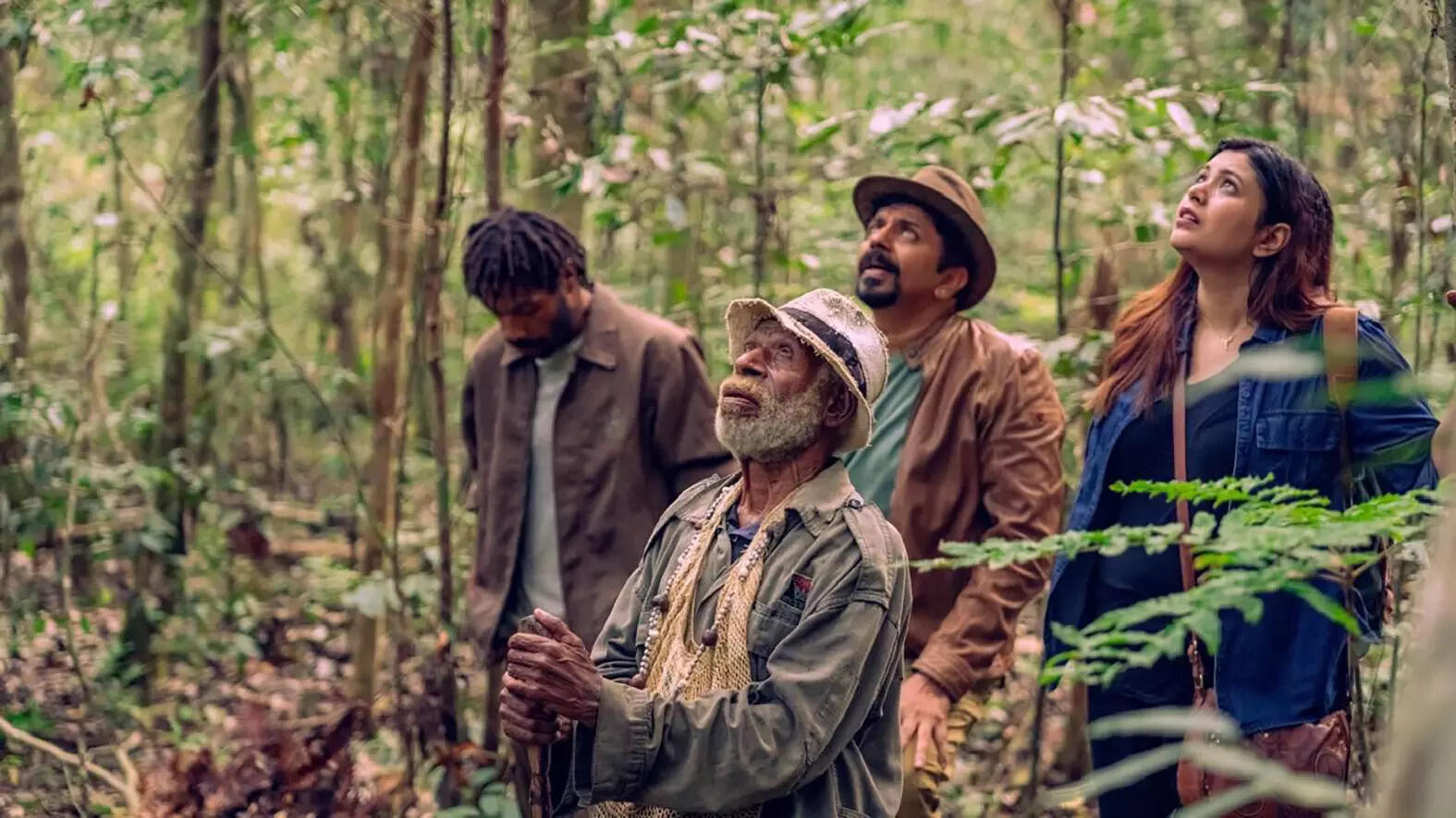
A still from the film
‘It’s deeply personal to see Bengal’s spirit carried to the world through this film’
Ritabhari, who plays Romila, an Indian historian whose journey in the film becomes our lens into the world of indigenous knowledge, resilience, and spiritual connection. “We see Papua New Guinea through her eyes — the land, its stories, and its people — and that in itself is a tribute to both countries. As someone representing India on this global stage, I’m equally proud to be carrying Bengal with me — the land I come from, the culture that shaped me.
On shooting in Papua New Guinea
Ritabhari said that she shot for the last year in PNG, and it was unlike any other experience she’s had. “I did not know the language of the film so all I could do was be completely present,” she said. The film unfolds through the eyes of Romila, the character Ritabhari portrays. “At one point, I stopped being able to tell the difference between Romila and Ritabhari,” shared the actress. She said that the fact that PNG, though geographically close to Australia, connects with India in history through the WWII is what makes the film so impactful, adding, “It’s a theme rarely explored on screen, up until now.”I feel a great responsibility on me to tell a story that involves both India & Papua New Guinea: Dr Biju
When we reached out to Dr Bijukumar, he said: “I am thrilled that my film has been selected to represent Papua New Guinea at the Oscars; I feel a great responsibility has been placed on me. It is a story that involves both our countries and is based on World War 2 history.” The film has been three years in the making, after I met some officials at a film festival. Dr Biju said that the crew had help of local university students — consisting about 60 per cent of women — whom they mentored through the process of filming. The multi-lingual film, Dr Biju informs, is in Papua New Guinean language Tok Pisin, Hindi, English and Bengali, and was shot in the captial city of Port Moresby and a national park, which housed the village of the Sogeri indigenous people. Grammy winner Ricky Kej has composed the music for the film, which has been shot by Yedhu Radhakrishnan. Tamil filmmaker Pa Ranjith is one of the producers of the project.

About the Author
Ruman GangulyEnd of Article
Follow Us On Social Media










Photostories
Tired of too many ads?go ad free now
entertainment videos
Featured In Movies
Tired of too many ads?go ad free now
Hot on the Web
Pest Control TipsColourful LizardsStatin Side EffectsCancer RisksSkincare RoutineBlood Sugar ControlBal Karve Death NewsParam Sundari ReviewParam Sundari First ReviewAmitabh BachchanMahavatar NarsimhaGlucose ChecksHema MaliniR MadhavanMagnesium DeficiencySrideviProstate Cancer SymptomsLokah Chapter 1: Chandra Twitter ReviewParam Sundari Box Office CollectionBigg Boss 19Bigg Boss 19 Contestants ListDipika KakarUnique Tail AnimalsClove TeaLow CholesterolKing CobraBaby Girl NamesWar 2 Box Office CollectionCoolie Movie ReviewCoolie Box Office CollectionStomach Cancer WarningDiabetic Shock SignsWorld Oldest WomanJamun For DiabetesCarly PearceTips To Prevent RabiesSkincare HabitsFatty Liver SymptomsKidney Damage SymptomsDragon SnakeFood For Better Gut Health
Trending Topics
Latest MoviesBollywood MoviesHollywood MoviesTamil Movies 2025Telugu Movies 2025Malayalam Movies 2025Kannada Movies 2025Marathi Movies 2025Bengali Movies 2025Top Rated Movies 2025Best Hindi MoviesBest English MoviesBest Telugu MoviesBest Tamil MoviesBest Malayalam MoviesBest Kannada MoviesBest Bengali MoviesUpcoming Hindi MoviesBest Movies Of All TimeBest Hindi Movies of All TimeLatest English MoviesLatest Malayalam MoviesEnglish TV NewsTamil TV NewsTelugu TV NewsMalayalam TV NewsKannada TV NewsMovie ReviewsBhojpuri Cinema NewsGujarati Cinema News
Popular Categories
Viral NewsK Pop NewsWeb Series NewsAnime NewsUpcoming English MoviesUpcoming Tamil MoviesUpcoming Telugu MoviesUpcoming Malayalam MoviesUpcoming Kannada MoviesFashion TipsTravel NewsEntertainment NewsBollywood NewsTollywood NewsKollywood NewsMollywood NewsFood NewsLatest Hindi MoviesLatest Tamil MoviesParenting TipsHome RemediesWeight LossBeauty TipsParenting TipsHindi VideosHindi Video SongsBhojpuri Music VideosLatest Telugu MoviesBhojpuri Music VideoHindi TV News
Latest News
BRABU UG result 2025 for 3rd semester released at brabu.in: Check direct link to download scorecard here‘Param Sundari’ X review: Sidharth Malhotra-Janhvi Kapoor starrer hailed as ‘breezy, feel-good entertainer’Ministry of Defence extends ECHS medical facilities to medically discharged officer Cadets2025 Renault Kiger review: Has Kiger finally cracked the code?Aha Kalyanam actress Akshaya Kandamuthan gets engaged to long-time BFF Jainu Jai'Rs 10,000 to start venture': Nitish Kumar announces ‘Mahila Rojgar Yojana’; all you need to know'Already registered': R Ashwin makes big revelation about future; says he wants to live life on his terms'Sunny Sanskari ki Tulsi Kumari’ teaser: Glamorous dance numbers and comedic scenes dominate - WATCHChennai leased Apple facility up for sale: CapitaLand weighs new bidding round; Brookfield, Hines among biddersBrad Pitt’s 'F1' races past Scarlett Johansson’s 'Jurassic World: Rebirth' as second biggest Hollywood hit of the year in IndiaKentucky shooting: Two Boone County deputies injured while serving warrant in Walton; suspect dead from self-inflicted woundPune crash: 12 injured in collision between 2 ST buses; brake failure suspected11 reasons you are not hungry: Causes and health risks behind loss of appetite“Respectfully, shut the f**k up”: Rampage Jackson snaps at fan after being asked about the “Raja thing”Microsoft terminates 4 employees for Israel-related protests, group claims fired employees received voicemails saying ...What Donald Trump’s hand bruises might reveal about his health and its link with chronic venous insufficiencyGauahar Khan reacts to Amaal Mallik’s comment on Awez Darbar and Nagma Mirajkar: “Sad soch”Row over abuse against PM Modi: BJP-Congress workers clash in Patna — Watch video