- News
- entertainment
- bengali
- movies
- Help me with funds to promote my film at the Oscars: Rima Das
Trending
This story is from September 23, 2018
Help me with funds to promote my film at the Oscars: Rima Das
Director Rima Das on shooting Village Rockstars and the challenges ahead for India’s Oscar entry this year
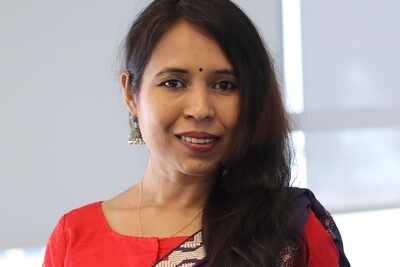

The independent film, which pipped 27 contenders — including biggies like Padmaavat, Hichki and Padman — to the post, now needs approximately ₹2 crore to make its presence felt in the run-up to the Oscars. “I’m aware of the campaign that we need to run in the US. And for that, we need money. I plead with the government to give us financial assistance as soon as possible. I am the solo producer and everyone knows how I made this film. I am honestly helpless. It took me four years to make this film and money is the biggest hurdle now,” said director Rima Das, who has dedicated the movie to her hometown in Assam, Chaygaon.
Rima, an independent filmmaker, chanced upon the theme of Village Rockstars during the post-production of her first film, Man with the Binoculars: Antardrishti. She met a few children in her village, who had dreams of making it big. Rima produced, directed and shot the film by herself with the help of one camera, one light and featured two children, Bhanita and Manabendra Das, from her village. She said the film includes many of her personal memories. It has already made it to several prestigious festivals, premiering at the Discovery Section of Toronto International Film Festival. Adjudged the Best Feature Film, it also bagged three other honours at this year’s National Film Awards — Best Child Artist, Best Location Sound Recordist and Best Editing.
The film is about 10-year-old Dhunu (Bhanita), who lives in Chaygaon with her widowed mother (Basanti) and elder brother Manabendra. At an event, she helps her mother sell snacks and comes across a local band. Her rock ’n’ roll dreams are fanned by what she sees and Dhunu dreams of owning a guitar. But that’s far from easy. Rima feels the story of a dreamer may have touched the chord with Indian audiences, which finally led to the Oscar entry. “I was expecting this news, but was not sure. A lot of people told me that the film was good enough to be sent to the Oscars, yet no one can guarantee anything till it happens. We are truly very excited,” the director said.
With Saturday’s big news, Rima feels life has come full circle. “The children who have worked in the film are jumping with joy, though I am not sure how well they understand the situation. I don’t know what will happen now. I will reach Mumbai on Monday and immediately start work on chalking out a plan for promoting the film in the US. Money is a huge constraint and I will address that with the Film Federation of India and whichever other bodies that I need to reach out to. As an individual, it will be very difficult for me to gather so much money on my own. My journey with this film began five years ago. I have made it with my own money and travelled with it all over the world. Now that it’s gearing up to represent India, the country needs to step up and help it get there,” she stressed.
It’s ironic that Rima is getting so much of attention now, but has found it very difficult to release the film in her own country. “A cinema chain partnered with me to release the film in seven cities in India and I will release it independently in Assam. The chain has a plan in place and the film will finally release in the country. I wish it had happened earlier. A film running for the Oscars has to be released in the country of origin on or before September 30. Thankfully, Village Rockstars releases on September 28. Since the film has been a part of the festival circuit for some time now, it has already been seen by many people, but the theatrical release will only help it grab more eyeballs,” she feels.
Ananth Mahadevan, who was a member of the selection jury, summed it up neatly: “If 20 people contribute ₹10 lakh each, it would help Rima promote the film well, book ads in the trade papers and get people to watch it at the right time. I am sure the Academy members will watch Village Rockstars to the end. This is the closest we have come to capturing the spontaneity of a land ravaged by nature and the coming of age of a girl who doesn’t lose the innocence of childhood. Indian films are believed to carry a poverty label, but here is a film about an impoverished community that holds its head high even in the face of calamities. That’s the message we want to send out to the world. We’ve made glaring errors for years — who sends a film like Jeans (1998) to the Oscars? The other wrong choices are also pretty evident. We haven’t sent a film by Adoor Gopalakrishnan, Aravindan, Ritwik Ghatak, and more films by Satyajit Ray and Shaji Karun. For years, we didn’t have a filmmaker who could fill the void left by these filmmakers. We’ve finally found Rima Das.”
Village Rockstars is the perfect film that represents India. It’s a simple story, simply told. The audience in every part of the country will be able to relate to it. Now, the bigger challenge will be to promote the film on foreign turf. I am hopeful that the government will come forward. There’s an 18% GST on cinema and a part of that fund can be used to help the makers of this film. I also feel that there are many good films made in different parts of the country. If the state governments waive off ₹70,000 entry fee for Oscar screenings, the participation will be a lot more. This should be applicable for independent ventures — Shiboprosad Mukherjee, jury member
The narrative is simple and the children, who have acted in the film, don’t look like actors making an effort. Everything about Village Rockstars is effortless. The camera movements are nowhere jarring and there’s nothing that sticks out unnecessarily. Usually rain machines are used for rain sequences, but here, you can feel that the camera has captured everything that’s natural. No wonder, it took time to make this film. When you see it, you will be transported into a different world and that’s the power of cinema. There’s a lot to learn from this film.
— Indranil Ghosh, jury membe
End of Article
FOLLOW US ON SOCIAL MEDIA








Photostories
entertainment videos
Featured In Movies

Popular Categories
Entertainment NewsBollywood NewsTollywood NewsKollywood NewsMollywood NewsMovie ReviewsLatest Hindi MoviesLatest Tamil MoviesMX PlayerParenting TipsHome RemediesWeight LossBeauty TipsParenting TipsHindi VideosHindi Video SongsBhojpuri Music VideosLatest Telugu MoviesBhojpuri Music VideoHindi TV News
Trending in Entertainment
Latest MoviesBollywood MoviesHollywood MoviesTamil Movies 2024Telugu Movies 2024Malayalam Movies 2024Kannada Movies 2024Marathi Movies 2024Bengali Movies 2024Top Rated Movies 2024Best Hindi MoviesBest English MoviesBest Telugu MoviesBest Tamil MoviesBest Malayalam MoviesBest Kannada MoviesBest Bengali MoviesUpcoming Hindi MoviesBest Movies Of All TimeBest Hindi Movies of All Time
Trending in Etimes
Horoscope TodayNumerology Predictions TodayWalking BenefitsBreast Cancer DiagnosisYung Filly Rape CaseTaylor Rousseau GriggBelly FatSean Diddy CombsOzempic PersonalityDepression RiskBelly Fat LossDurga Visarjan 2024Toxic FriendshipDonald TrumpElon MuskDussehra 2024Durga Ashtami 2024Multitasking TipsSaraswati Visarjan 2024
Trending in TV
Trending in Lifestyle
Trending in Regional
Movie Reviews
Binny And Family ReviewLove, Sitara ReviewWill & Harper ReviewWolfs ReviewYudhra ReviewJo Tera Hai Woh Mera Hai ReviewKahan Shuru Kahan Khatam ReviewHis Three Daughters ReviewNever Let Go ReviewDancing Village: The Curse Begins ReviewTransformers One ReviewFirst Love ReviewBerlin ReviewThe Buckingham Murders Review
Upcoming Hindi Movies
Upcoming Regional Movies
Latest News
Accused did recce of Baba Siddiqui's house, monitored him for months: Mumbai PoliceParas Mhambrey joins Mumbai Indians as bowling coachSalman Khan’s security beefed up after Baba Siddiqui’s murder; ‘Sultan’ star looked uncomfortable after visiting the late politician’s family at 3 amBaba Siddique may have died prior to hospitalisation, says doctorsReading the Stars and Your Hands: How Astrology and Palmistry Complement Each OtherTaurus, Weekly Horoscope, October 13 to October 19, 2024: Focus on gains and accomplishmentsRoblox dismisses claims made by Hindenburg report: "...don't support their agenda"'Procrastination greatest thief of time': HC junks 'belated case'RSS chief Mohan Bhagwat: Hindus must take lessons from Bangladesh violence2 flee Uttarakhand jail. Did they escape as Ramlila ‘vanars’ looking for Sita?Scorpio, Weekly Horoscope, October 13 to October 19, 2024: Health and self-care are essentialNumerology Predictions Today, October 13, 2024: Read your personalised forecast for numbers 1 to 9Did you know NTR is the only actor to play both Lord Rama and Ravana?Ashton Kutcher and Mila Kunis consider leaving Hollywood amid Sean 'Diddy’ Combs' arrest fallout: ReportVijay celebrates 'GOAT' success as Venkat Prabhu's directorial earns 100 crore share in Tamil NaduLoneliness across generations: Why is it important to address this hidden danger?For 500 years, this village in Madhya Pradesh worships Ravan as ‘Kul Devta’'Little people dressed like dolls': Guest at Sean 'Diddy' Combs' 'freak off' party shares disturbing details
Other Group Sites -
ETimes is an Entertainment, TV & Lifestyle industrys promotional website and carries advertorials and native advertising.