- News
- entertainment
- bengali
- movies
- ‘Deep voice & sensual yet soothing presence’ gave Ritwik’s rebel an edge
Trending
This story is from January 28, 2018
‘Deep voice & sensual yet soothing presence’ gave Ritwik’s rebel an edge
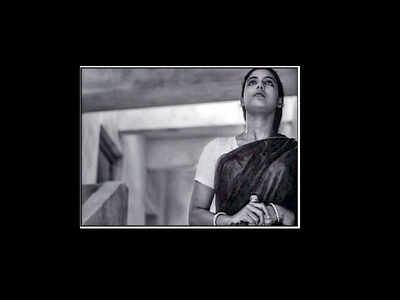

In 1960, Ghatak had cast Supriya as Neeta — a character that inspired Mira Nair in 2006 to cast her in ‘The Namesake’. The first day of shooting was in Shillong. Supriya had shot the “Dada… aami baanchte chai” scene in sync sound. But later, Ghatak made her dub her lines. His logic was —‘If we have a notation for songs, why shouldn’t there be one for cacophony?’ Among the various remembered dialogues of Supriya, this particular one has passed the test of time.
It was partly her long neck that Ghatak had first noticed when he decided to cast her. Ghatak was influenced by Carl Theodor Dreyer’s ‘The Passion of Joan of Arc’ where the director used closeups of the lead actress Renée Jeanne Falconetti. Film scholar Sanjoy Mukhopadhyay says, “Ghatak wanted an actress whose features could be choreographed to construct a national symbol of agony and resistance. He felt Supriya’s long neck and rough-edged face could be stripped of their lyrical hangover.”
In his writings on ‘Komal Gandhar’, Ghatak mentioned that he had used close-up shots of Supriya’s head and neck to portray her as a mother figure.
The first day Supriya went to meet Ghatak at his Bhowanipore residence, she was late for a commercial film shoot. To add to her worries, the strap of her slippers came off on the way to Ghatak’s house. Ghatak, who was standing outside his house, had watched this.
Of course, this wasn’t part of their conversation. But much later, when Ghatak went on to shoot ‘Meghe Dhaka Tara’, Supriya realised that the filmmaker had incorporated this episode in his film. Early on in the film after Neeta wards off the warnings of a local grocer unwilling to give credit, she walks down a potholed road of a refugee colony. Her ubiquitous ‘jhola’ bag hangs from her shoulder. Suddenly, the strap of her Kolhapuri slipper comes off. Neeta picks it up, looks at it for a second and then walks ahead bare feet. Though apparently disconnected, it required someone of Ghatak’s calibre to transport Supriya’s personal experience to emphasize Neeta’s struggle.

About the Author
Priyanka DasguptaEnd of Article
FOLLOW US ON SOCIAL MEDIA








Photostories
entertainment videos
Featured In Movies
Popular Categories
Entertainment NewsBollywood NewsTollywood NewsKollywood NewsMollywood NewsMovie ReviewsLatest Hindi MoviesLatest Tamil MoviesMX PlayerParenting TipsHome RemediesWeight LossBeauty TipsParenting TipsHindi VideosHindi Video SongsBhojpuri Music VideosLatest Telugu MoviesBhojpuri Music VideoHindi TV News
Trending in Entertainment
Latest MoviesBollywood MoviesHollywood MoviesTamil Movies 2024Telugu Movies 2024Malayalam Movies 2024Kannada Movies 2024Marathi Movies 2024Bengali Movies 2024Top Rated Movies 2024Best Hindi MoviesBest English MoviesBest Telugu MoviesBest Tamil MoviesBest Malayalam MoviesBest Kannada MoviesBest Bengali MoviesUpcoming Hindi MoviesBest Movies Of All TimeBest Hindi Movies of All Time
Trending in Etimes
Horoscope TodayNumerology Predictions TodayWalking BenefitsBreast Cancer DiagnosisYung Filly Rape CaseTaylor Rousseau GriggBelly FatSean Diddy CombsOzempic PersonalityDepression RiskBelly Fat LossWeight LossToxic FriendshipDonald TrumpElon MuskDiwali 2024 CalendarDurga Ashtami 2024Multitasking TipsSaraswati Visarjan 2024
Trending in TV
Trending in Lifestyle
Trending in Regional
Movie Reviews
Binny And Family ReviewLove, Sitara ReviewWill & Harper ReviewWolfs ReviewYudhra ReviewJo Tera Hai Woh Mera Hai ReviewKahan Shuru Kahan Khatam ReviewHis Three Daughters ReviewNever Let Go ReviewDancing Village: The Curse Begins ReviewTransformers One ReviewFirst Love ReviewBerlin ReviewThe Buckingham Murders Review
Upcoming Hindi Movies
Upcoming Regional Movies
Latest News
Cancer, Daily Horoscope Today, October 15, 2024: Take things slowMeningitis in children: Protecting young minds through awareness and preventionHow China is lessening its reliance on helium sourced from USOdisha wins best state in 5th National Water AwardsCan a dash of cinnamon in your coffee speed up belly fat loss?'Trump doesn’t care about anyone but himself’: Supporters left stranded in 93°F heat after rallyIndia, US to ink Predator deal todayIndia eliminated from Women's T20 World Cup after NZ beat Pakistan to enter semisBrock Lesnar vs CM Punk who won the most WWE title, Single Victories, Social Media Popularities and moreThe Real World: Austin Cast Reunion After Nearly 20 Years: We 'Laughed, Cried, and Binge Watched Our Season'EC to announce poll dates for Maharashtra and Jharkhand todayWWE’s Samantha Irvin Sparks Outrage with National Anthem Performance at Raiders vs. Steelers Game, Raising Eyebrows Over the Blurring Lines Between Sports and EntertainmentPannun case: Indian inquiry team to reach US on Oct 15 to probe 'foiled plot'SpaceX Marks A Spot That Isro Has Its Sights OnCongress brass obsessed with land-grab, must quit: BJPAt ‘Fama’, all faiths seek blessings of Infant Jesus15-page letter circulating online accuses IBM China head of misconduct; here's what company said while confirming the letter'Gross misuse of power': Supreme Court on SP government's land lease to Azam Khan's trust
Other Group Sites -
ETimes is an Entertainment, TV & Lifestyle industrys promotional website and carries advertorials and native advertising.