
- News
- Education News
- News
- Oprah Winfrey once said, "Education is the key to unlocking the world...": 5 lessons it teaches students
Oprah Winfrey once said, "Education is the key to unlocking the world...": 5 lessons it teaches students
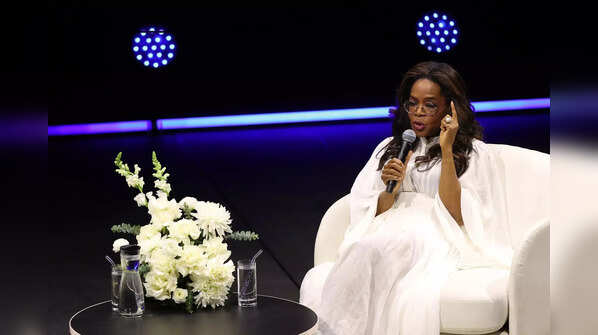
Oprah Winfrey once said, “Education is the key to unlocking the world…”: Five lessons for students
Education is often discussed in terms of results. Marks, degrees, rankings, placements. In this framing, learning becomes transactional — something pursued for outcomes rather than understanding. Against this backdrop, Oprah Winfrey’s words, “Education is the key to unlocking the world, a passport to freedom,” continue to circulate in speeches and classrooms. The quote is widely shared, but its implications for students are less often examined.
For students navigating pressure and uncertainty, the quote offers several lessons worth reading carefully.

Lesson one: Education expands choice before it delivers success
Students are often told that education leads to success. Winfrey’s framing is different. She speaks of education as access — to information, institutions, and movement across social boundaries.
This matters because education does not immediately change circumstances. What it changes first is choice. It allows students to understand options, question limits, and make informed decisions. Even when outcomes are delayed, access itself reshapes what is possible.
Lesson two: Freedom begins with understanding systems
The idea of a “passport” suggests movement, but also rules. A passport works within systems. Education helps students read these systems — academic, economic, and social.
For students, this means learning how institutions function, how opportunities are structured, and how power operates. Freedom, in this sense, is not the absence of limits. It is the ability to navigate them with knowledge rather than guesswork.
Lesson three: Education is not limited to classrooms
Students often equate education with formal instruction. Winfrey’s words allow for a broader view. Education includes exposure, reading, observation, and experience.
This matters for students who feel disconnected from traditional teaching spaces. Learning can continue outside exams and classrooms. What matters is engagement with ideas, not only performance within institutions.
Lesson four: Education does not remove inequality, but it can reduce dependence
The quote is sometimes read as a promise. In reality, education does not erase structural inequality. Students still encounter uneven access, financial pressure, and social barriers.
What education can do is reduce reliance on others for interpretation and direction. It gives students tools to question, compare, and decide. That form of independence is limited but significant.

Lesson five: The value of education grows over time
Students often expect education to produce immediate clarity. Winfrey’s framing suggests patience. A passport is not useful until it is used.
Many lessons acquired in school or college become relevant later — in work, civic life, or personal decisions. Understanding this helps students view learning as cumulative rather than urgent.
Winfrey’s quote does not position education as a cure or a guarantee. It frames it as access to movement, understanding, and choice. For students under pressure to measure learning only through outcomes, this perspective shifts attention back to what education quietly provides: the ability to engage with the world on informed terms.
Featured In Education

