
- News
- Education News
- Careers News
- International Returning Mothers Day: The new pact to bring moms back to work
Trending
International Returning Mothers Day: The new pact to bring moms back to work
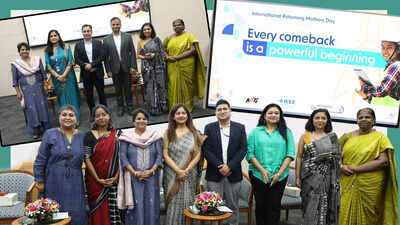
The first International Returning Mothers Day was officially observed on September 10, 2025, in New Delhi, spotlighting women resuming careers after family breaks. Launched by WePOWER, IEEE, and the iExplore Foundation, the initiative calls for stronger policies, workplace support, and cultural change. Experts stressed that retaining returning mothers strengthens leadership pipelines, preserves human capital, and drives inclusive economic growth.
From maternity break to management track
Respect at home , policy at work for mothers
Why mothers’ return powers the growth of India
End of Article
Follow Us On Social Media



Hot Picks
Top Trending
Explore Every Corner
Across The Globe
Brittany MahomesConnor McdavidDeshaun WatsonVanessa BryantMatthew KniesStephen CurryTom BradyChicago Bulls vs Cleveland Cavaliers Game ResultConnor McDavid ContractSidney CrosbyShedeur SandersNBA Trade RumorsKim Pegula Net WorthKeir StarmerSanae TakaichiEU Steel TariffsNavi Mumbai Airport InaugurationMark CarneyUS-Pakistan dealCalifornia DiwaliMasjid Al-QiblatainKarnataka caste surveyY Puran KumarHimachal bus landslideScotch Whisky PriceBihar SIRCough syrup tragedyH-1B visaNithin KamathRajvir Jawanda
Hot on the Web
World Happiest CountryProstate HealthClove For Heart HealthRajvir Jawanda Death NewsFatty Liver SymptomsKidney Damage SymptomsDiwali DateKidney HealthHeart Attack SymptomsPancreatic Cancer SymptomsHeart Failure CausesMalaika AroraMaria MoreraPancreatic CancerYuzvendra ChahalHeart Disease PreventionRishab ShettyBigg Boss 19Kantara Box Office CollectionSheikh Mohammed bin Rashid Al MaktoumSunny Sanskari Ki Tulsi Kumari CollectionRani MukerjiMagnesium Deficiency SymptomsVitamin B12 SupplementsCinnamon BenefitsIdli Kadai Box Office CollectionOral HealthIncrease HeightOG Box Office CollectionBobby DeolElephant Safari National ParkWhite Coconut For DiabetesDesi Ghee Vs Olive OilHyperlactation SyndromeSigns Of Kidney FailureBryan JohnsonGreek Yoghurt Vs Hung CurdLeaves That Help Lower CholesterolInfluencer Junior DutraDiwali AI Photo PromptsFatty Liver Drink
Trending Topics
Rohit SharmaVaibhav SuryavanshiPrithvi ShawAbrar AhmedCEAT Cricket Award Winner ListRohit Sharma ODI CaptaincyTSLPRB TSRTC RecruitmentShreyas IyerCFA Level 1 ResultIAF Day 2025BTSC Recruitment 2025Pat CumminsSai SudharshanH1B VisaUS Work CultureUGC Approved UniversitiesCBSE Board Exam 2026JKSSB Constable ResultAakash ChopraDelhi RainsHimachal Pradesh LandslideNavi Mumbai International AirportY Puran KumarBhim Jora DeathMP Cough Syrup Death CaseSambhal Demolition DriveBengaluru Sexual AssaultNavi Mumbai Airport InaugurationJaved Habib ArrestedRajvir Jawanda Passed AwayBihar Election DateElon MuskJeff BezosLucy GuoTim CookSridhar VembuJensen HuangPavel DurovNyt ConnectionsWordle TodaySora AppDaylight Saving Time 2025
Popular Categories
HeadlinesSports NewsBusiness NewsIndia NewsWorld NewsBollywood NewsHealth+ TipsIndian TV ShowsTechnologyTravelEtimesHealth & FitnessDelhi Gold Rate TodayNumerology Number 1 HoroscopeChinese Horoscope PredictionsAstrologyWeather TodayPlatinum Rate TodaySilver Rate TodayGold Rate TodayIs Bank open todayIs Bank Open TomorrowBank Holidays in SeptemberPublic Holidays in SeptemberStock Market HolidaysNFL ScheduleTechnology NewsInternational SportsPublic HolidaysBank Holidays
Trending Videos
Hamas Ally Vows Continued War Against Israel, Sets New Red Line For Hostages | ‘Will Take Souls’Fico Fumes At Russian Nuke Ban, Vows To ‘Knock Sense’ Into EU Boss | ‘Can’t Put Mercedes Engine…’Nobel Physics Win, Vijay Meets Karur Victims, Modi Shares CM Memories ..And MoreUS To Arm Pakistan With Advanced AIM-120 Missiles As F-16 Fleet Upgrades Loom After Op SindoorPunjabi Singer Rajvir Jawanda Dies After 11 Days On Ventilator Following Road AccidentTrump’s 9-Word Remark Stuns Oval Office; What He Said Has Everyone Talking | WATCHTrump’s Crackdown: 500+ Texas Army National Guard Troops ‘STORM’ Chicago To Aid ICE Agents | WatchUK PM Keir Starmer’s Mumbai Visit Focuses On Trade Boost With India While Visa Rules Stay UnchangedDolly Parton’s Sister Sparks Concern With Prayer Plea After Sudden Vegas Show PostponementBREAKING: Israeli 'Choppers Pound' 9 Gaza-bound Freedom Flotilla Ships | 'Futile Attempt Ends...'Netanyahu ‘Pleads’ Putin To Not Arm Iran With Russian Jets In ‘Tense’ Phone Call | ReportJaipur-Ajmer Highway Inferno: LPG Truck Collision Causes Massive Fire, Authorities Rush To SiteUkrainian Forces Claim They Have Captured Indian Fighting For Russia | India Verifying ReportsKamala Harris Explodes in Private LA Event: “These Mothaf---s Are Crazy”, Slams Trump Era‘Mr Trump, Don’t Dare…’: Afghan FM SHOOTS Blunt Message To U.S. From Putin's Land | Watch“Transformative President…” PM Carney Echoes Trump’s Claims On India-Pak Peace At White House MeetBig Alert For Ukraine As Putin Declares ‘Enemy Retreating’, Unleashes New Weapons | WatchPam Bondi REFUSES TO ANSWER When Asked About Trump’s Epstein Photos | SENATE HEARING
Latest News
Why 'Adithya Varma' not considered as Dhruv Vikram's debut film? 'Bison' actor clarifies his viral statement‘Save NASA’: Bill Nye calls proposed cuts an ‘extinction-level event’ for space explorationSBI chairman seeks streamlined KYC, to engage with regulatorNPCI may allow Aadhaar-based face authentication for high-value transactionsPunjabi singer Rajvir Jawanda dies: Severe brain and spinal injuries cited as cause of deathStop touching your shopping receipts! Scientists warn of toxic chemicals in thermal paperOptical illusion personality test: Woman or horses? What you see first reveals if you are a born leader or a loyal caregiverAIIMS gastroenterologist shares 8 beverages that lower cancer riskLionel Messi's GOAT Tour in India: Schedule, Ticket prices, where to buy - all detailsSuzuki Gixxer, Gixxer SF get festive upgrades: New colours, other benefitsGoogle CEO Sundar Pichai: Feeling lucky this morning to work at a company that ...Kyunki Saas Bhi Kabhi Bahu Thi 2: Pari plots against Tulsi as Mihir prepares for the award ceremonyRevolut launches India service incorporating UPIShoe 'hurling' attempt at CJI: Trouble mounts for Rakesh Kishore, criminal contempt action sought; lawyer writes to attorney generalFrance’s Safran to double workforce, boost sourcing from IndiaMalaika Arora reacts as Arhaan Khan welcomes Arbaaz Khan, Sshura Khan's baby girl in a hilariously adorable manner - PIC insidePawan Singh's friend alleges political conspiracy: Defends actor amid Jyoti Singh controversyBigg Boss Tamil 9: Nandhini opens up about her struggles, says “Life was never easy without parents”
Copyright © 2025 Bennett, Coleman & Co. Ltd. All rights reserved. For reprint rights: Times Syndication Service