
- News
- Nomads, nature and narrow roads: Army, police keep vigil as remote Sinthan Pass emerges as alternate J&K lifeline
Nomads, nature and narrow roads: Army, police keep vigil as remote Sinthan Pass emerges as alternate J&K lifeline
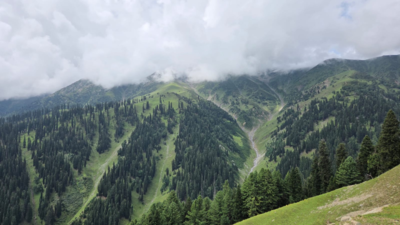
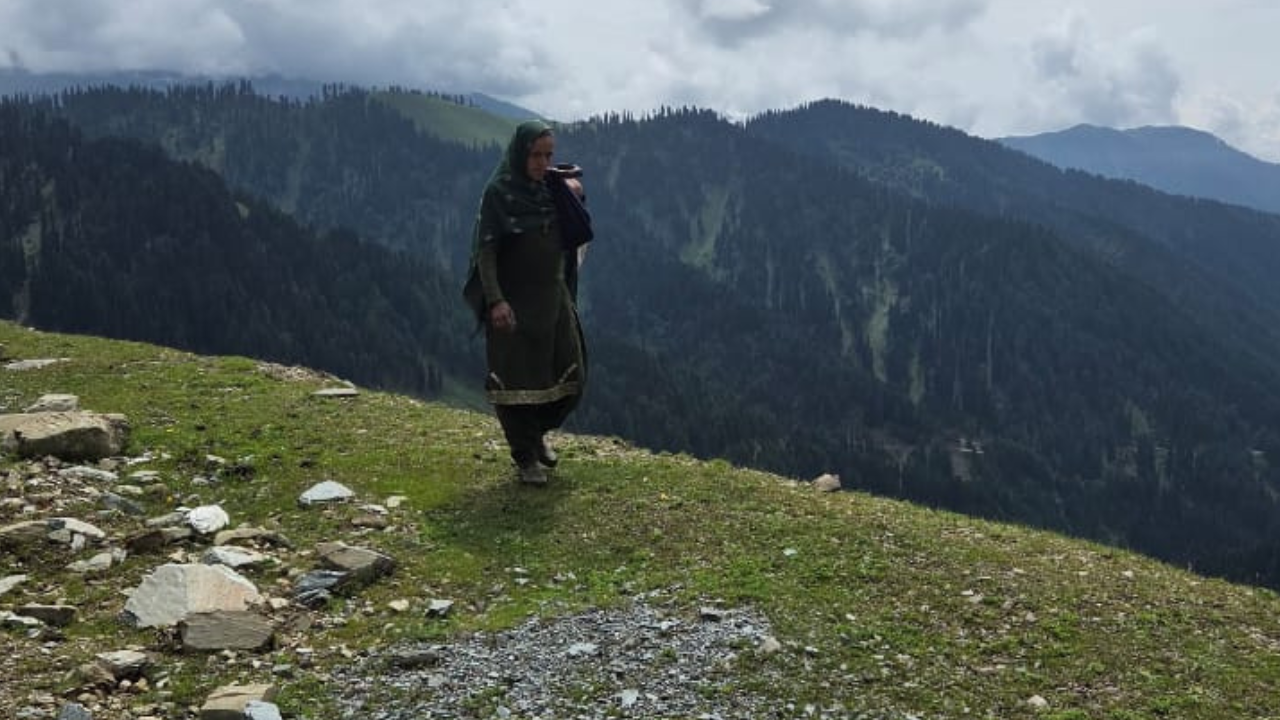
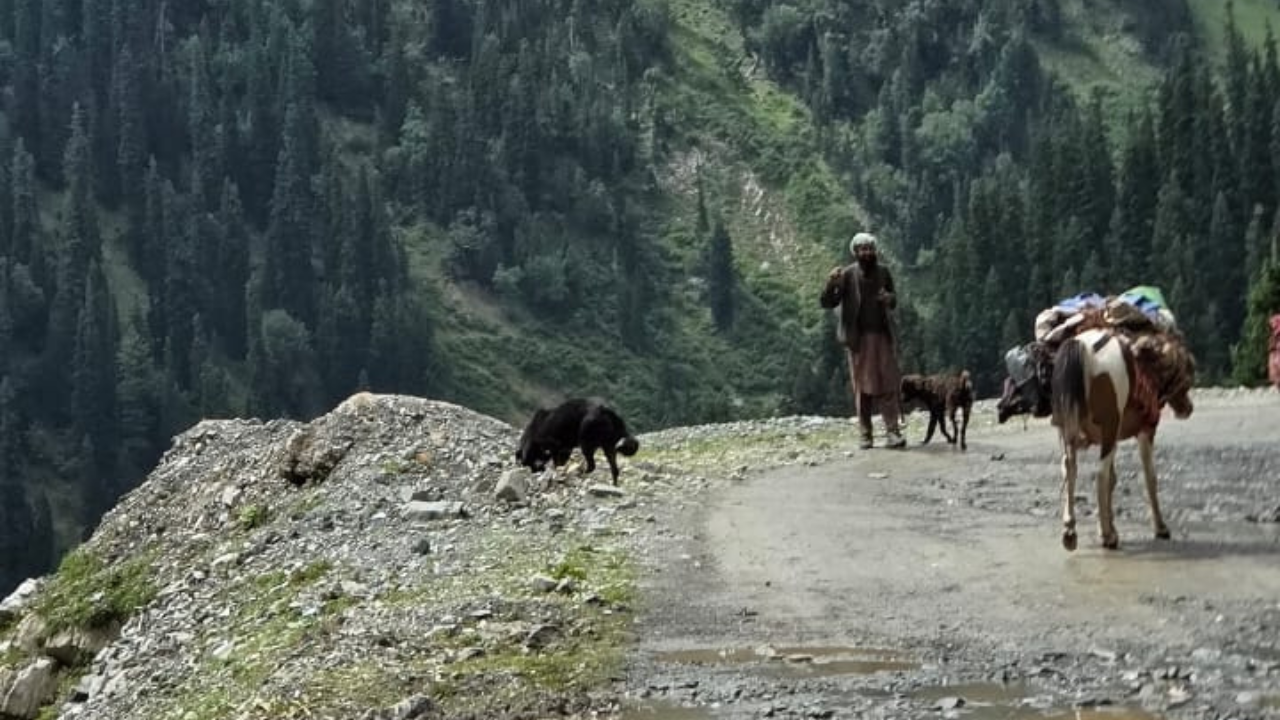
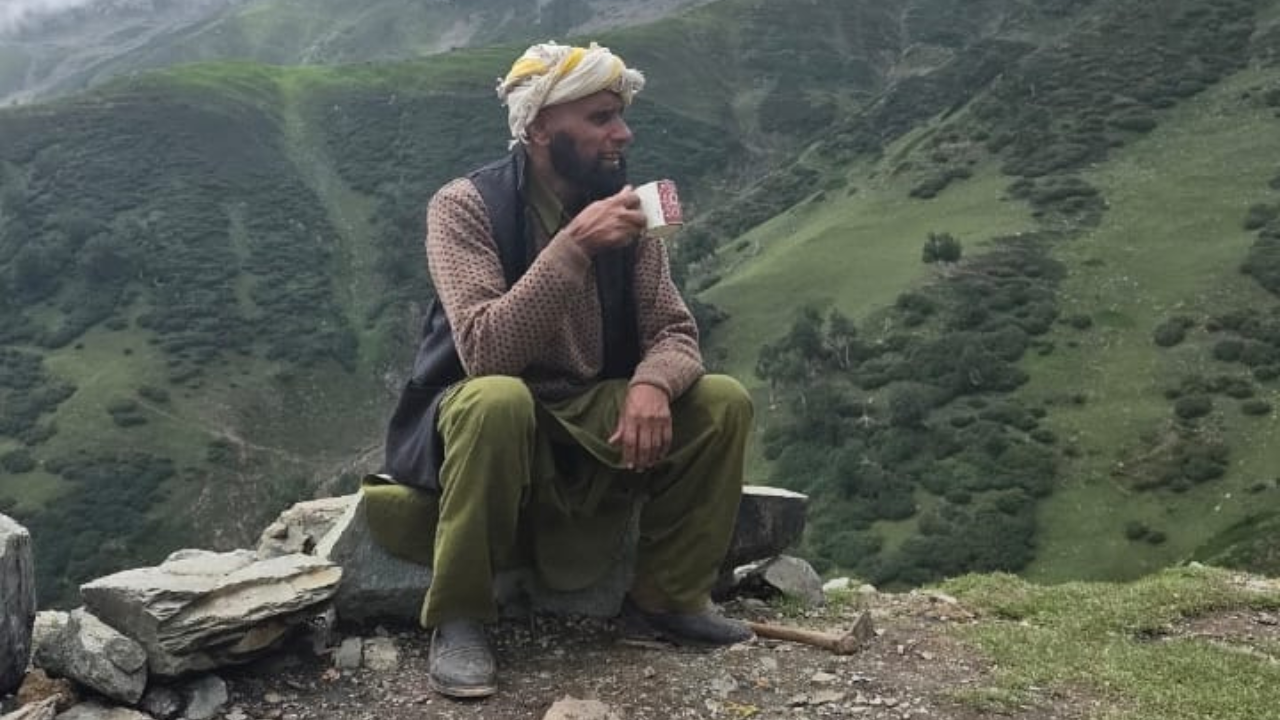
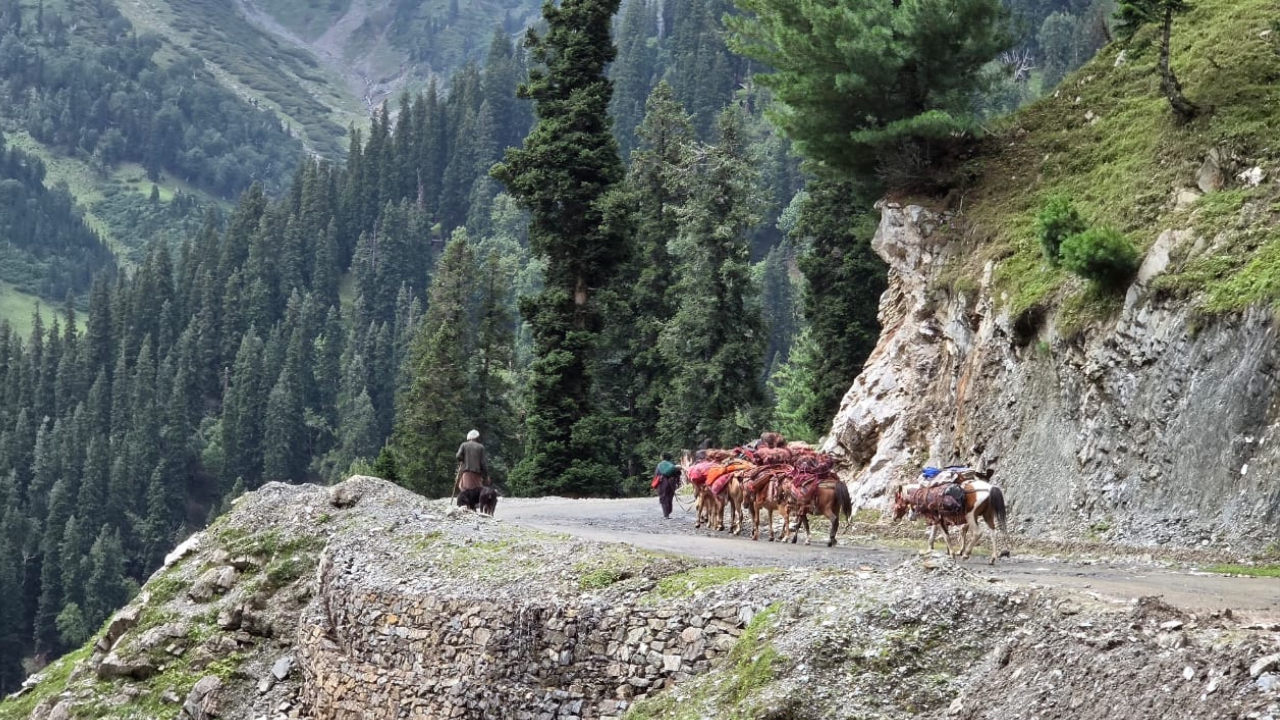
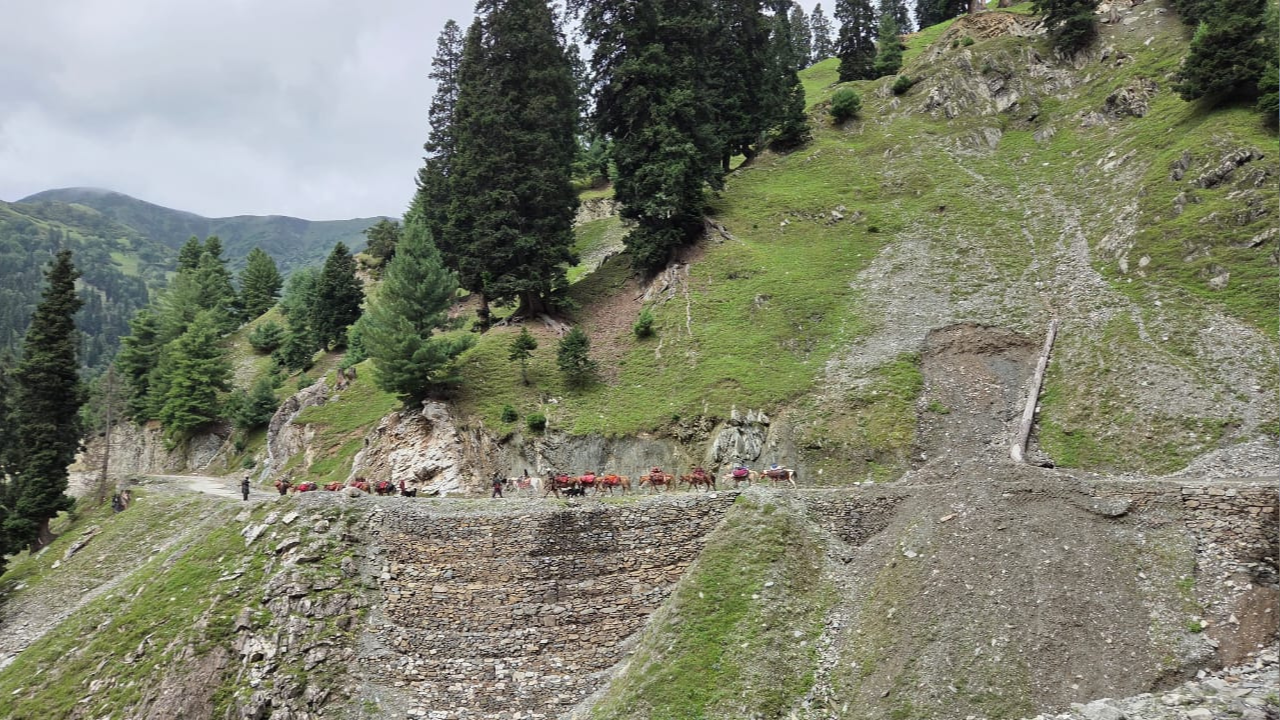
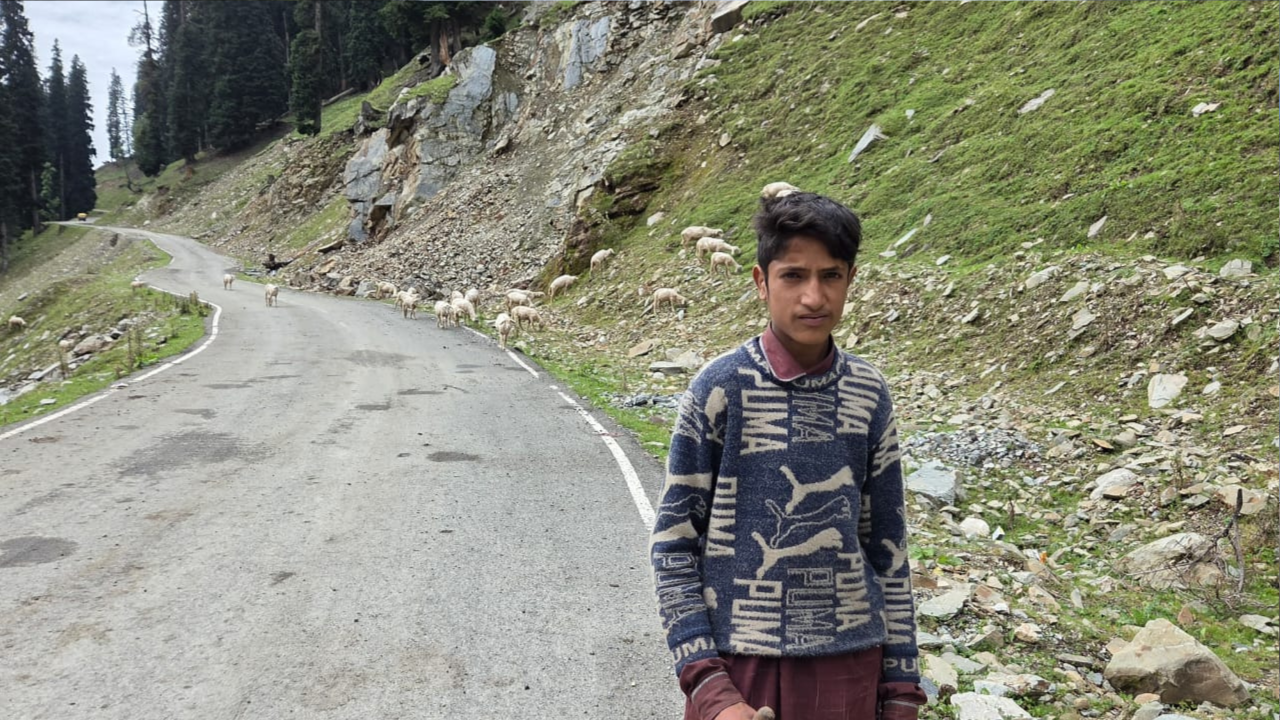
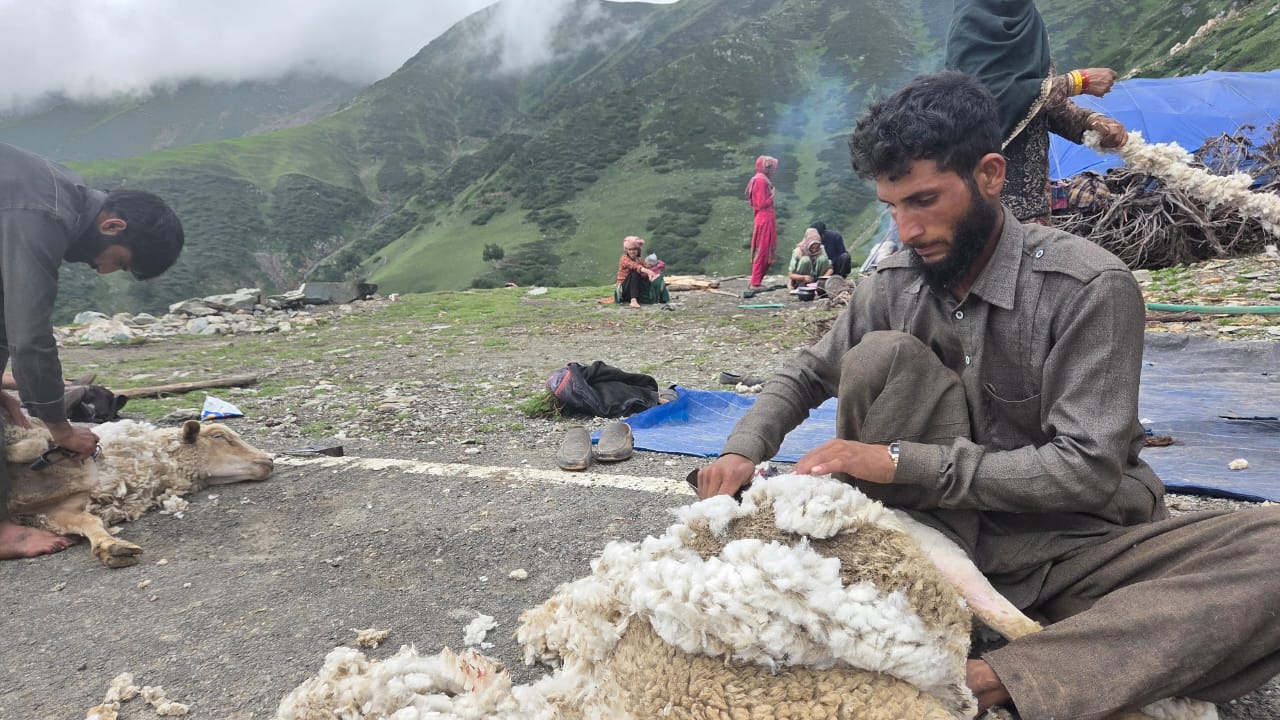
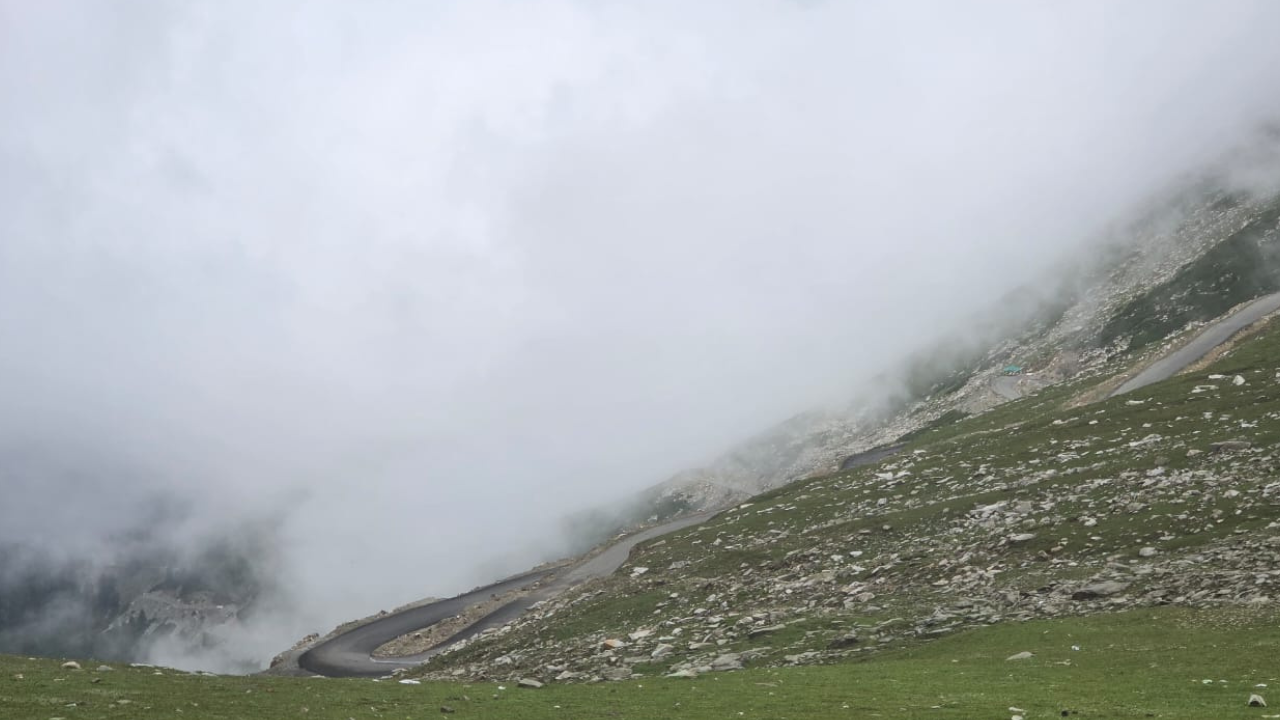
After a weather-related closure, the Sinthan road, or NH-244, connecting Kishtwar and Anantnag, reopens, offering an alternate route to Srinagar. Travelers navigate through towering mountains and alpine forests, encountering nomadic families with their flocks. The Sinthan Pass, at 12,500 feet, provides panoramic views, while Daksum valley welcomes tourists, contrasting with the pristine but littered beauty of the high-altitude landscapes.
Stay updated with the latest local news from your city on Times of India (TOI). Check upcoming bank holidays, public holidays, and current gold rates and silver prices in your area.
End of Article
Follow Us On Social Media
Visual Stories









Photostories

Hot Picks
Top Trending
Explore Every Corner
Across The Globe
Wayne GretzkyRoblox shutdownAndy RoddickDevin HaneyVanessa BryantRussell WilsonTravis KelceTaylor SwiftBrooke HoganUPPSC CES Mains ScheduleICCOnline Gaming BillJohn Cena RetirementBasit AliTrish Stratus MotherAhmedabad Student MurderRussia TradeElection CommissionHarjinder SinghNikki HaleyIsrael-Hamas warUS Sanctions IndiaViksit Bharat Rozgar YojanaTN NEET UG Round 1Nayara EnergyTexas Congressional MapsAlaska SummitTen CommandmentsTulsi GabbardPam Bondi
Hot on the Web
Beautiful Pet BirdsUSFDA Cookware WarningDhanashree VermaShah Rukh KhanMagnesium Deficiency SymptomsHigh Blood Sugar SymptomsVitamins For Hair GrowthBelly Fat LossHeart AttackCancer RisksReverse Fatty LiverOzempic Vulva Side EffectsSleeping TipsBharti SinghGarlic Health BenefitsBrain-Eating Amoeba SymptomsSu From So OTT ReleaseAquarium Setup TipsLongest International RiverPooja BediAngelina JolieYuzvendra ChahalBoney KapoorRajnikanthSunita GogoiTaj Mahal Restricted ChambersWar 2 Box Office CollectionCoolie Movie ReviewCoolie Box Office CollectionOvercrowded Tourist DestinationsAshwagandha For MenColon Cancer SymptomsHigh Protein FoodsKidney Stone PainHigh Cholesterol SymptomsLakshman BootiColorectal CancerOral SymptomsReduce Face Fat DietSide Effects Of BananasGinger Tea Side EffectsKidney Damage Symptoms
Trending Topics
Asia Cup All Teams SquadOnline Gaming Bill Key PointsICCImane KhelifHardik PandyaCSIR NET ResultDonald TrumpNEET PG ResultIBPS Clerk RecruitmentDU CSAS UGShubman GillSanju SamsonD GukeshSara ErraniBPSC DSO Answer KeyKarnataka UGCET 2025Shreyas IyerJAC Chandigarh CounsellingAjinkya RahaneDelhi Triple MurderNora FatehiKrishna River FloodMumbai BEST Election ResultRekha Gupta AttackedDelhi CM Attack CaseDelhi School Bomb ThreatGurgaon Delhi Expressway NewsRekha Gupta InjuriesAhmedabad Student MurderBengaluru Apple Store OpeningJeff BezosFastag Annual PassRealme P4Apple iPhone 17Elon MuskGrammarly Launches AiKairan QuaziNyt ConnectionsGoogle Pixel 10 Series PriceOpenai Cfo Sarah FriarGoogle Pixel 10 Pro FoldWordle Today
Popular Categories
HeadlinesSports NewsBusiness NewsIndia NewsWorld NewsBollywood NewsHealth+ TipsIndian TV ShowsTechnologyTravelEtimesHealth & FitnessNFLAugust Long Weekend 2025India vs EnglandAstrologyWeather TodayPlatinum Rate TodaySilver Rate TodayGold Rate TodayIs Bank open todayIs Bank Open TomorrowBank Holidays in AugustPublic Holidays in AugustStock Market HolidaysFinancial CalculatorsTechnology NewsInternational SportsPublic HolidaysBank Holidays
Latest News
OpenAI CFO Sarah Friar reveals future plans: Company will build trillion-dollar data centers and sell AI infrastructureHalloween The Game officially announced at Gamescom 2025, Release date, Features and MoreWhat did Destiny do? Streamer accused of sending sexual texts to a 17-year-old in viral screenshotsNikki Tamboli to celebrate birthday with beau Arbaz Patel in Dubai amidst song shoot; says ‘I’ll get to combine work with joy’ – ExclusiveNIRF 2025 rankings: What’s new, what’s changing, and what students should knowThe REAL reason why 'Dhurandhar' crew members starring Ranveer Singh fell sick, source says, 'There was a local contamination issue...'What makes these African people cut their bodies happily?Cheating scam: Mumbai bizwoman alleges Rs 3.23 crore fraud by five firms; FIR registeredRajani JainSaudi Arabia gold scam: Authorities shuts down foreign e-commerce store selling fake gold bullionRekha Gupta assault case: A wake-up call on security lapses; 10-year timeline of attacks on Delhi CMsLovneet Kaur‘Thackeray brand wiped out’: BJP panels sweep BEST credit poll; UBT-MNS fail to win a single seatEarly morning earthquake hits Oman’s Madha region near UAE border following series of minor tremorsNeena KapoorChahatt Khanna battles 102° fever while shooting in Jabalpur’s dense terrain; says ‘I’m very sick’Roopam Sehtya'K-Pop Demon Hunters' fume over DELETED Rumi and Jinu kiss; Sparks hopes for EPIC reunion in sequel
Copyright © 2025 Bennett, Coleman & Co. Ltd. All rights reserved. For reprint rights: Times Syndication Service