
- News
- City News
- ranchi News
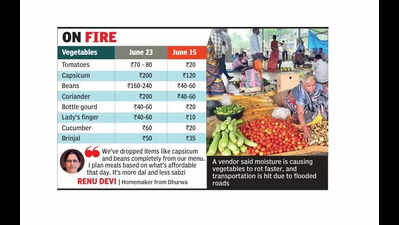
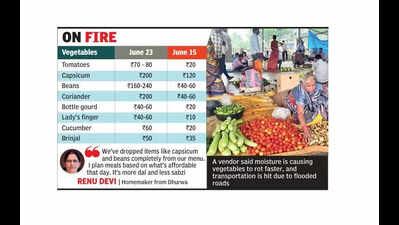
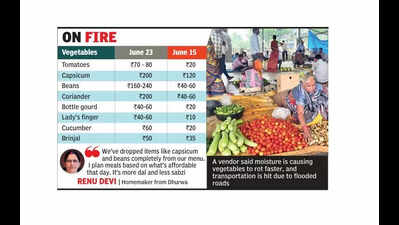
- Loss of yield, supply chain woes push veggie prices north
Trending
Loss of yield, supply chain woes push veggie prices north
Get the latest lifestyle updates on Times of India, along with Doctor's Day 2025, messages and quotes!
End of Article
Follow Us On Social Media
Visual Stories







Photostories

Hot Picks
Top Trending
Explore Every Corner
Across The Globe
Taylor SwiftDwyane WadeBlake LivelyNHL Free Agency 2025Hailee SteinfeldLebron JamesWayne Gretzky DaughterMitch MarnerTravis KelcePatrick MahomesMichael Porter Jr Net WorthAndrew FlintoffTom BradyMike Vick WifeMitch MarnerITR filing FY 2024-25Small Savings SchemesMonojit MishraWess RoleyOliver GibsonDisney Cruise Ship OverboardUS Citizenship DenaturalizationCristiano RonaldoTrapit BansalImmigration policiesAbrego GarciaKayla NicoleBig Beautiful BillElon MuskNarayana Murthy
Hot on the Web
National Chartered Accountant Day WishesNational Doctor's Day WishesPooja GhaiBetta FishColon Cancer SymptomsLiver Disease SymptomsVitamin D DeficiencyGautam GambhirLargest CrocodilesKareena Kapoor KhanParag TyagiHeart Health MedicationsHeart HealthPoonam DhillonHappy National Doctor Day MessagesMunmun DuttaThe Great Indian Kapil Show 3High Uric AcidMost Colourful BirdsReverse Heart AgeingBlack Coloured AnimalsKannappa Box Office CollectionSitaare Zameen Par Box Office CollectionRailone AppAries Monthly HoroscopeTaurus Monthly HoroscopeGemini Monthly HoroscopeCancer Monthly HoroscopeLeo Monthly HoroscopeVirgo Monthly HoroscopeWorld Beautiful IslandsDemon SlayerHigh Blood Sugar In MorningBlack Mamba FightWorld Richest ManSimpson PredictionJeff Bezos SiblingsiOS 26Nikhil KamathStrongest Female Anime CharactersSolo Travel TipsAnand Mahindra
Trending Topics
JAC Class 11 ResultIND vs ENG Live StreamingKarnataka 2nd PUC Exam 3 ResultICC T20 RankingRavi ShastriAnish GiriMohammed SirajWhat is EB 1 VisaIBPS SO RegistreationKavya MaranAKTU One View ResultDHSE Kerala Plus 2 ResultMPSOS June ResultCristiano RonaldoNHL Trade NewsEvan BouchardJohn CenaSaquon BarkleyA J BrownTelangana Factory BlastLawrence BishnoiCoimbatore Bus FireTirupur Suicide CaseMonojit MishraNavi Mumbai Baby NewsTej Pratap YadavNavi Mumbai Techie NewsMadhya Pradesh Hospital MurderHimachal Pradesh CloudburstOdisha BMC Officer AssaultJeff BezosPassport SevaNYT Connections TodayWordle Today HintsDonald TrumpNasa To Launch On NetflixVitamin C DeficiencyUS VisaElon MuskSam AltmanLauren SanchezAmerica Party
Popular Categories
HeadlinesSports NewsBusiness NewsIndia NewsWorld NewsBollywood NewsHealth+ TipsIndian TV ShowsTechnologyTravelEtimesHealth & FitnessNFLIntel The Learning CurveIndia vs EnglandAstrologyWeather TodayPlatinum Rate TodaySilver Rate TodayGold Rate TodayDelhi AQI TodayJune Bank HolidaysPublic Holidays in JuneStock Market HolidaysNSE HolidaysBSE HolidaysTechnology NewsInternational SportsPublic HolidaysBank Holidays
Latest News
'I nearly joined WWE, money was obscene': Former cricketer makes massive revelation“That’s simply crazy to me”: Suni Lee reveals Simone Biles’ routines push gymnasts to their breaking pointRajasthan NMMS 2025 result declared at rajshaladarpan.rajasthan.gov.in: Direct link to download scorecards hereCensor Board clears Rudra's 'Oho Enthan Baby' for releaseEight years of GST: PM Modi hails reform for boosting ease of doing business, economic growthBrandy recalls her not-so-good experience while filming 'I Know What You Did Last Summer,' reveals why she chose the film - Deets Inside'I Know What You Did Last Summer' to release soon: Meet the star castGeorge Kittle and NFL tight ends embrace 'TE University' reunion as fifth-year 'students'We just spent a day in the hottest place in India. How people survive hereApoorva Mukhija REACTS to her rumoured link up with Purav Jha: 'There are 82,000 edits of us... And it’s only going to get worse...'Kejriwal on three-day Gujarat visit after Visavadar bypoll win, to launch 'Gujarat Jodo' campaignMom-to-be Kiara Advani finds peace in mornings, cherries and poetry - See postBigg Boss 18 fame Shrutika Arjun opens up about post COVID vaccine health scare: “It was worse than childbirth”Anant Joshi goes bald to play CM Yogi Adityanath in his biopic 'Ajey'Yale, Madras & the Curious Case of Empire FundingWhat is tennis star Polina Kudermetova’s net worth? Everything you need to know about her material assets, brand endorsements and moreFrom Kanpur to Meta: Tracking the meteroic rise of Indian-origin researcher Trapit Bansal; joins Zuckerberg's Superintelligence 11Lenovo Yoga Slim 7i Aura Edition review: Keeping things basic and solid
Copyright © 2025 Bennett, Coleman & Co. Ltd. All rights reserved. For reprint rights: Times Syndication Service