
- News
- City News
- raipur News
- Chhattisgarh HC upholds RI for life in arson murder case, dismisses husband’s plea
Trending
Chhattisgarh HC upholds RI for life in arson murder case, dismisses husband’s plea
The Chhattisgarh High Court upheld the life sentence of Rajkumar Banjare for the murder of his wife Ombai. Banjare was found guilty of setting her on fire following domestic abuse and dowry demands, despite initial contradictory statements. The final ruling relied on later consistent dying declarations and supporting medical evidence.
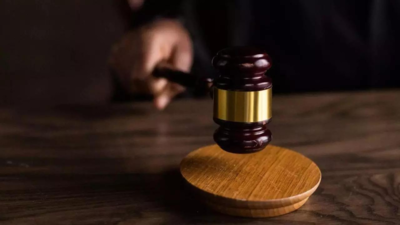
Representative photo
Banjare had challenged the judgment of the Sessions Judge, Mahasamund, dated December 31, 2020, which found him guilty of murder under Section 302 of the Indian Penal Code (IPC). He was sentenced to rigorous imprisonment for life and a fine of Rs 1,000, with an additional six months of rigorous imprisonment in default of payment.
The case stemmed from an incident on December 19, 2016, when Ombai suffered severe burn injuries at her home in Nawapara Acharideeh under Tumgaon police station of Mahasamund district. The prosecution argued that Banjare had poured kerosene oil on her and set her ablaze following a history of domestic abuse and dowry demands. Ombai succumbed to her injuries on January 5, 2017, at state-run Dr. B.R. Ambedkar Hospital, Raipur.
During the trial, the prosecution presented multiple dying declarations of the deceased. The defense argued discrepancies in these declarations, particularly the initial statements where Ombai claimed the fire was accidental, caused while lighting a stove. However, the court found the later declarations, especially the one recorded on December 24, 2016, at Dr. B.R. Ambedkar Hospital, Raipur, to be more credible. In this declaration, Ombai explicitly accused her husband of setting her on fire.
The court addressed the defence's contention that the initial dying declarations contradicted the later ones. However, it found the circumstances surrounding the initial declarations suspicious, particularly given the medical evidence of kerosene burns. The court also considered the testimony of Ombai’s uncle, Lal Singh, who had raised concerns about potential tampering with evidence.
Stay updated with breaking news, weather updates, bank holidays and upcoming public holidays in march.
End of Article
FOLLOW US ON SOCIAL MEDIA
Visual Stories








Photostories

Hot Picks
TOP TRENDING
Explore Every Corner
Across The Globe
IND vs NZWayne GretzkyTaylor SwiftCam NewtonBlake LivelyGisele BndchenBrad MarchandAnthony EdwardSidney CrosbyJordyn WoodsBrady TkachukAaron JudgeSteph CurryNBA Buyout RumorsNBA HalftimeAuston MatthewTaylor Swift AlbumWWE Elimination Chamber ResultRhea RipleyKevin OwensRoman ReignsLiv MorganThe RockErin AndrewsMicrosoft Outlook OutageBank HolidaysBank Holidays in MarchChampions Trophy ScheduleChampions Trophy Points TableICC Champions Trophy Live Streaming
Hot on the Web
Heart Blockage SymptomsChia Seeds BenefitsKrushna AbhishekTaarak Mehta Ka Ooltah ChashmahIbuprofen GuidePeppermint Oil For HairMagnesium Oil BenefitsKomodo Dragon vs King CobraWater Weight Loss TipsTanmay BhatGovindaElon MuskRanveer AllahbadiaOptical IllusionWall Sits BenefitsDoomsday FishRajinikanthMere Husband Ki Biwi CollectionChhaava Box Office CollectionChhaava Movie ReviewSadhguru Diet HabitsAshwagandha for Hair GrowthMorning Brain ExercisesUS National ParksUnique AnimalsBig Cat Safari DestinationFatty Liver Reducing FoodsBig Cats IndiaBaby Girl NamesDates Benefits
Trending Topics
India vs New ZealandCarlo ColaiacovoLamelo BallNodirbek YakubboevBrett FavreJimmy ButlerGiannis AntetokounmpoTravis KelceJoe BurrowTaylor SwiftLogan PaulTom BradyErin AndrewRob GronkowskiTravis HunterSouth Africa Cricket TeamChampions Trophy SemifinalMHT CET LLBUS National Anthem BooedVivian RichardNyt ConnectionsKing Legacy CodesDa Hood CodesWordle HintsInzamam Ul HaqDonald TrumpIndia vs New Zealand ScorecardChampions Trophy Points TableChampions Trophy ScheduleICC Champions Trophy 2025 Live Streaming
Popular Categories
HeadlinesSports NewsBusiness NewsIndia NewsWorld NewsBollywood NewsHealth+ TipsIndian TV ShowsTechnologyICC Champions TrophyIPLTravelEtimesHealth & FitnessHollywood NewsWeb SeriesWWEUS NewsNFLHow to watch IPL 2025How to watch IPL in CanadaHow to watch IPL in USACBSETechnology NewsInternational SportsAstrologyPublic HolidaysBank HolidaysIndia vs New ZealandWeather Today
Latest News
Voter card number duplication doesn't imply fraud, says ECDak Prescott and fiancee Sarah Jane Ramos share a heartwarming family moment with their daughter amid NFL announcements'False' toll fee deduction? NHAI cracks the whipRam Charan and Janhvi Kapoor to resume filming 'RC 16' at Parliament and Jama Masjid: ReportLocals force govt to stop Porvorim temple demolition for highway workConservation delivers: Emus to gaurs, Goa's Bondla zoo preps for scores of newbornsHow chronic conditions make us more vulnerable to infectionsEuropean allies rally around Ukraine, to raise defence spendingTesla stock has a 'problem', and it may be related to Elon Musk and DOGE“I Thought the Dude Died”: Eagles Star Quinyon Mitchell Gets Coffin Parade, and Twitter Loses ItMeet cricketer Varun Chakravarthy's wife Neha Khedekar: Their heartwarming love storyBill Belichick and girlfriend Jordon Hudson dragged into new “security” controversy after the NC State event as fans troll JordonMove aside, ladies! Here are the best-dressed gentlemen in Oscars historyShraddha Kapoor's phone wallpaper features Rahul Mody affectionately hugging her in a mirror selfieJordanian troops shoot Kerala man trying to sneak into IsraelMrunal Thakur's advice to help stop hair fall is a total game changerZaheer Iqbal, Sonakshi Sinha's latest banter is too fun to miss; take a lookMakers confirm 2025 release for 'Metro In Dino'
Copyright © 2025 Bennett, Coleman & Co. Ltd. All rights reserved. For reprint rights: Times Syndication Service