
- News
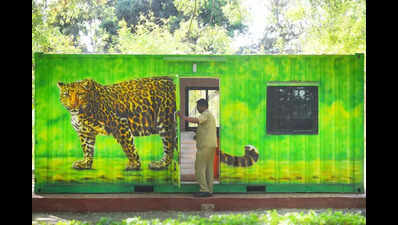
- Leopard seen again inside Pune airport boundary, workers told to move in groups
Leopard seen again inside Pune airport boundary, workers told to move in groups
End of Article
Follow Us On Social Media










Hot Picks
Top Trending
Explore Every Corner
Across The Globe
CBSE Board ResultAaron RodgersDwyane Wades DaughterTaylor Swift Pregnancy RumorsRohit SharmaMI vs GT HighlightsTNDTE Typewriting ResultMock DrillsVirat KohliAnthony EdwardsPaul Skenes WifeFriedrich MerzPahalgam AttackGM Jason LichtJalen HurtsCUET UG Exam DateBreanna StewartsMock Drill IndiaMichael StrahanMichelle ObamaIndia UK Trade DealBank Holidays MaySaquon Barkley Net WorthMP Board 10th ResultMP Board 12th ResultIPL Today MatchIPL Purple CapIPL Orange CapIPL Schedule 2025IPL Points Table
Hot on the Web
Met Gala 2025Raid 2 Box Office CollectionRetro Box Office CollectionKesari 2 CollectionHIT 3 Box Office CollectionKiara AdvaniMet Gala Indian CelebritiesDiljit DosanjhNeena GuptaBabil KhanRaid 2 Movie ReviewSnake PlantsKiara Advani Met Gala LookHigh Blood Pressure SymptomsLongevity Life RulesAnimal Self Made HomesBaby Girl NamesBrain Ageing HabitsAjaz KhanShah Rukh KhanRahul VaidyaSonu NigamSuriyaChia SeedsFood for Kidney HealthMost Beautiful Aquarium FishColourful FishVirat KohliPush Ups BenefitsAloe Vera Gel BenefitsOldest Living AnimalsLargest Snake on EarthCOVID-19 House Of HorrorsMoushumi ChatterjeePapuan Olive PythonBest National Parks IndiaPakistani Artists BanDeadliest Snakes on EarthBelly Fat LossPawandeep RajanGautami Kapoor MolestedGautami Kapoor
Trending Topics
CBSE Board Exam ResultsMPBSE Matric ResultLebron JamesBoard Exam ResultsGautam GambhirMallikarjun KhargeShashi TharoorMP school Principal Librarian ClashMU AdmissionsTrump Carney MeetingMamata BanerjeeCarlos MendozaAIMA MAT 2025 RegistrationsGT vs MIVirat KohliNationwide BlackoutMP Board 12th Result 2025GTA 6 Trailer 2Naruto Vs SasukeMPBSE Class 12th TopperReal Id Scam AlertMicrosoft Skype ShutdownGarena Free Fire MaxWordle TodayNYT Connections HintsJeff BezosAvneet KaurMock Drill IndiaPascal Siakam InjuryRookie PaigeIndia Squad for England TourMax ScherzerTyrese HaliburtonWWE Star Steve AustinTaylor SwiftPahalgam Terror AttackSaquon BarkleyMock Drill TodayHardik PandyaIndia UK Multi Billion Pound Free TradePublic Holidays MaySam Altman
Popular Categories
HeadlinesSports NewsBusiness NewsIndia NewsWorld NewsBollywood NewsHealth+ TipsIndian TV ShowsTechnologyTravelEtimesHealth & FitnessWWENFLPahalgam Terror AttackAstrologyWeather TodayIPLAnimeApril Bank HolidaysPublic Holidays in AprilIPL TeamsStock Market HolidaysNSE HolidaysBSE HolidaysMCX HolidaysTechnology NewsInternational SportsPublic HolidaysBank Holidays
Latest News
Calcutta high court: Lawyers now aligned with political partiesLeBron James showers wife Savannah James with praises for her Met Gala lookWWE Chief Content Officer Paul “Triple H” Levesque responds to Logan Paul’s attack on WWE RAWGujarat Titans snatch thrilling last-ball wtin over Mumbai Indians in a rain-hit thrillerPapal Conclave 2025: Who will lead the catholic church next? Key dates, candidates, betting odds & moreKL Rahul reveals he had to convince Athiya Shetty to name their baby girl Evaarah: 'But her parents and my parents loved it'This simple finger test may reveal your hidden risk for lung diseaseNikola Jokic drops 42-22-6 in Game 1 against Oklahoma City Thunder, then celebrates at local OKC barUS, Cameroon players in TN squadTravis Kelce and Taylor Swift's relationship sparks ticket requests — But Alex and Jason Kelce are saying “No”After govt names new chief town planner, Rane names own personIran foreign minister takes first strike in Pakistan as ‘mediator’, to land in Delhi todayGTA 6 second trailer features the action-packed reference from the Fast Five movieWayne Gretzky’s daughter Paulina Gretzky gives a glimpse into her glam routine after cheering on Dustin Johnson at the MastersBenfica officials arrive in Goa, govt keen to appoint technical director from Portuguese clubSean 'Diddy' Combs' legal team faces tough challenge in disputing accuser claimsGFA questions AIFF awards selection, says disheartening when commendable work is overlookedMadras high court judge Justice J Sathya Narayana Prasad dies
Copyright © 2025 Bennett, Coleman & Co. Ltd. All rights reserved. For reprint rights: Times Syndication Service