
Trending
This story is from December 2, 2016
Agents of change 101
Creating a safe space on troll-prone Twitter, and using traditional embroidery as art for change, here’s how youth across the country are smashing body shaming...

Creating a safe space on troll-prone Twitter, and using traditional embroidery as art for change, here’s how youth across the country are smashing body shaming...
The film emerged from Sachin’s personal struggle with body shaming and weight loss.

Colleges, workplaces and even communities are hotbeds for brazen body shaming attacks, of which youngsters are often at the receiving end. While Vazandar was a means of closure and catharsis for Sachin, youngsters across cities have channelled their body issues to raise awareness, create safe spaces for dialogue and ultimately, come to love and accept themselves…
Personal experiences triggered change
“No offense, but we don’t want fat people to be seen in our clothes. That wouldn’t go well with our core audience,” is how brutally honest one brand manager was with Mumbai-based fashion blogger Amena Azeez, during her early days of blogging. “My enthusiasm to try new collections previews would turn to discomfort when brands had nothing that’d fit me,” says Amena, a plus size fashion blogger. Pune-based radio jockey, Apurva faced similar shaming. She was once poked in the tummy by a random colleague. Also, a suitor stopped talking to her because his parents didn’t like how she looked.
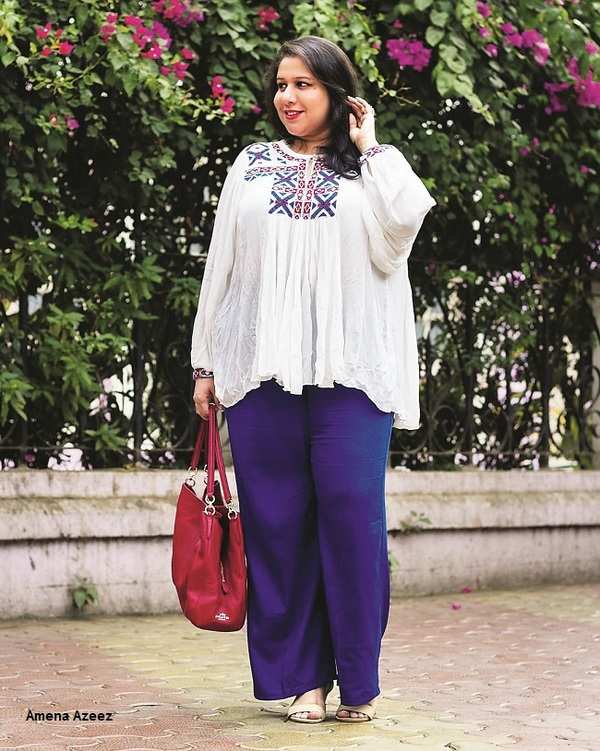
Amena spent years not taking chances for fear of rejection, and Apruva struggled with depression; but they soon chose resilience. Amena broke up with shame, reading about body positivity and unlearning the conditioning imbibed from society. She blogs extensively about fat acceptance, body positivity and plus size fashion. “There’s no place for plus-size people in the Indian fashion scene and media, and truth be told, fat shaming is a form of bullying. Normalising fat shaming means normalising bullying” says Amena, admitting that personalities like Adele and Tess Holliday inspired her to be comfortable being fat. Today, she’ll refuse being part of promotions with nothing to offer in plus-size. Apurva too, encourages interactions about body shaming on air, making sure she reminds listeners to love and accept themselves. “I’ve had many women tell me that they’ve felt better,” Apurva admits.
Clinical psychologist Vanessa Pinto Anthony notes, “Body shaming can have severe psychological effects. Depression, demotivation and more weight gain constitute a vicious cycle. The impact is graver when one is shamed by a close relative.”
Why it’s ‘okay’ to fat shame
Mumbai-based, 21-year-old poet Harnidh Kaur can’t stress enough on how insidious fat shaming can be. “While shaming, people think, ‘Oh, I’m not shaming, I’m just giving advice’. Fat people are acutely aware that they are larger than other people. So, this ends up putting a person down when they know they already are,” says Harnidh.
When someone is shamed for colour or disability, people rise up in defence, because it is about shaming ‘something that can’t be changed’. “Fat shaming is however so normalised; equated to laziness and lack of discipline. No one considers other causes, like medication, or PCOS in women,” she adds.
Early this month, Harnidh started a thread on Twitter, asking people to share instances of being body shamed. “My family didn’t treat me any different. My confidence came from the fact that I wasn’t told I was less because I’m fat. Realising that not many get to hear this, the idea of a safe space, where people could open up, came to me,” she says.
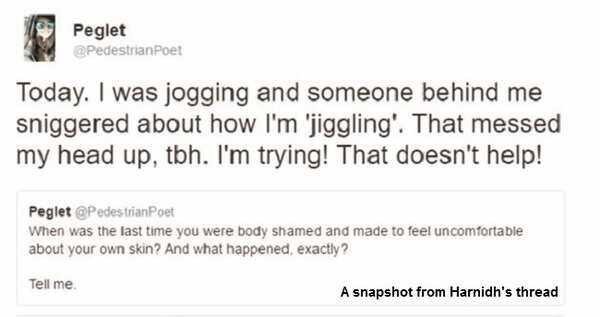
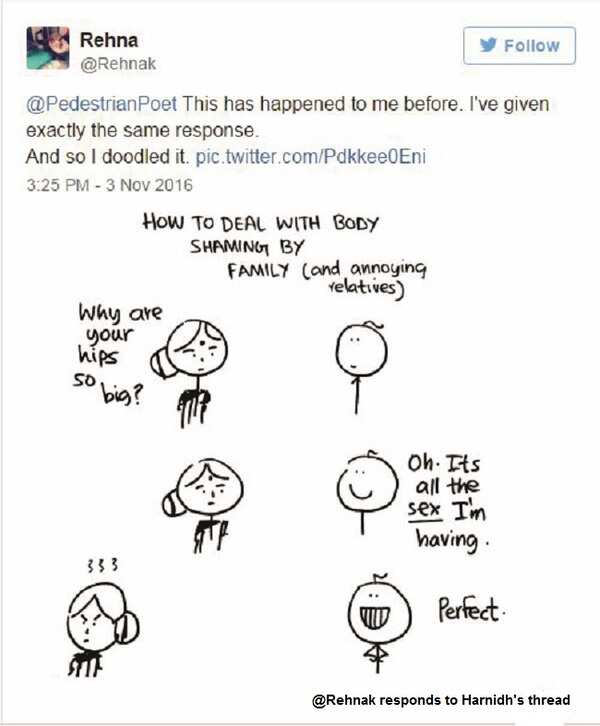
Creating a platform on a space open to trolls, Harnidh’s initiative garnered an overwhelming response. “16-year-olds as well as 60-year-olds shared their stories. Opening up to empathetic strangers can be healing, especially when you realise that there are others who go through the same situations you go through,” says Harnidh.
Change beyond boundaries
NID Ahmedabad design student Sarah Naqvi’s artwork has created waves online. They aptly highlight the need to question body shaming. Sarah says, “I was tired of being a mere spectator. There was a need to raise awareness. Ignorance about a problem breeds the fear to question.”
Picking the female body in relation to body image and shaming, Sarah has been able to make lots of women open up and question the problem. She then went beyond regular media, to forms like embroidery, something no one would think of in their wildest dreams. “Embroidery has been around for the longest time. It is accessible to even the most common woman,” she says. Through it, Sarah depicts daily struggles and taboos faced by women.
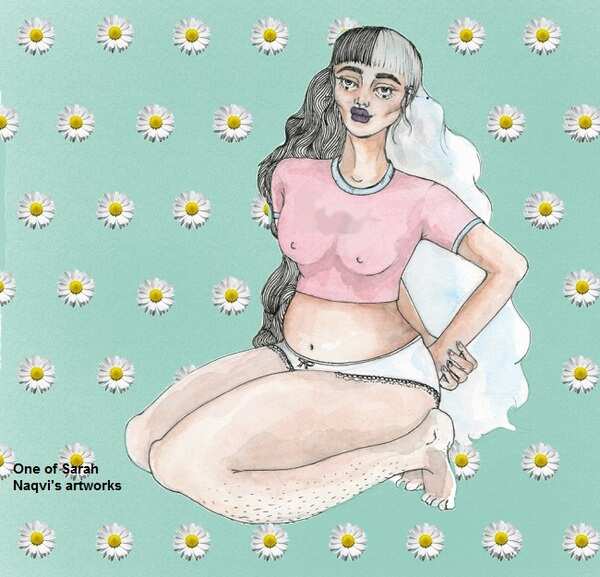
Instagram took down two of her works, leaving Sarah more determined to create such artwork. “Our brains feed on the physical standards set by advertising and media. Also, the lesser the female body is normalised, the more sexualised it will be,” says Sarah, who admits to feeling better about herself with each artwork she creates.
Is the online space safe?
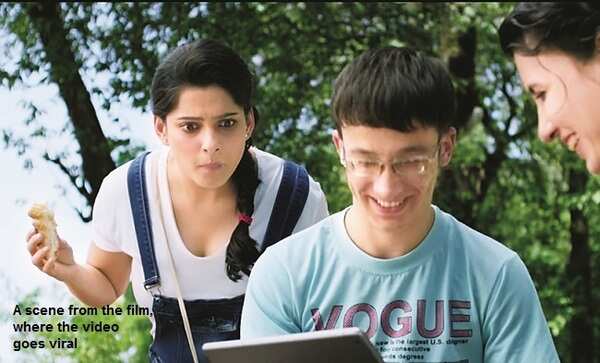
The fact that Kaveri (Sai) and Pooja (Priya) face immense body shaming via a viral video, in the film, makes one question the safety of the online space. Priya Bapat says, “It is but a tool. One can use it, or misuse it.” She recently uploaded a video on valuing one’s self. “I only did this online because of its wide reach. The online space can be put to good use. We mustn’t misuse it to destroy someone.” Harnidh adds, “Safe spaces are created through solidarity. Stand up for someone you see being shamed online. This will encourage others too.”
Are only women at the receiving end?
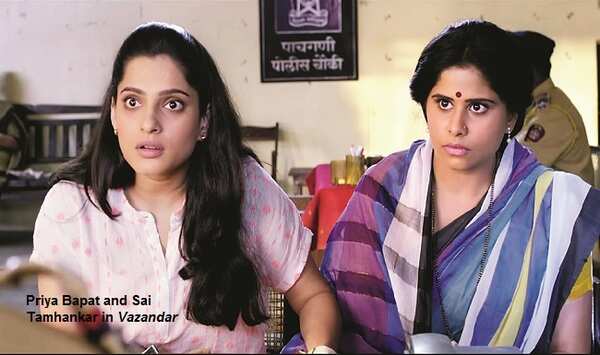
While auditioning for Bollywood, Sai Tamhankar confessed to being wary of her weight. "Our industry rides high on physical attractiveness. So, though the film was Sachin's story, the choice of women protagonists makes sense, considering women struggle with objectification and shaming," says Sai. However Sachin does not downplay the fact that men face shaming too. "Lots of young men came forward saying that they didn't even realise they were being shamed. In India, men have to be powerful and non-emotional. When one's body type does not conform to that, shaming almost always happens."
The importance of a support system
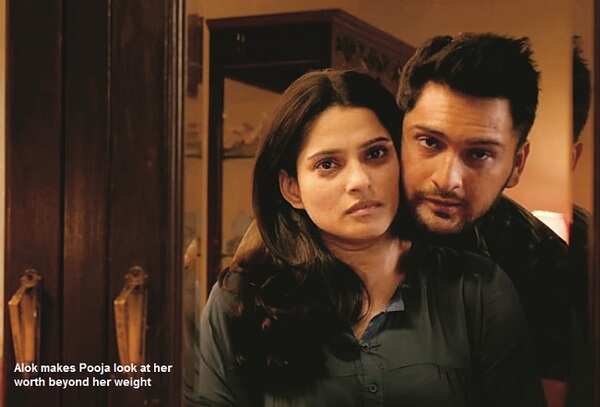
Alok, Pooja's love interest in the film, essayed by Siddharth Chandekar, plays a crucial role in making her look at her worth beyond her body weight. City-based internationally certified image consultant Nancy Katyal says, "Having such a support system is vital. He or she must encourage with emphasis on a paradigm shift, the importance of respecting oneself and looking for bigger pursuits, like health and personality, not just physical appearance."
Watch the trailer of Vazandar:
Vazandar Official Trailer | Sai Tamhankar | Priya Bapat | Landmarc Films
End of Article
FOLLOW US ON SOCIAL MEDIA





Photostories

Hot Picks
TOP TRENDING
Popular Categories
Hot on the Web
Top Trends
Mohamed Muizzu India VisitIsrael Hezbollah WarAssembly Election Result 2024 DateTravis KelceENG vs SA Live ScoreSunil GavaskarKayla NicoleDipa KarmakarInd vs China Stock MarketHaryana Assembly Constituencies 2024Top Pharmacy Colleges of IndiaDiddyWomen's T20 World CupTop MBA Colleges of IndiaT20 WC ScheduleWomen T20 World Cup Points TableLive Cricket Score
Trending Topics
Bigg Boss 18 Launch LIVE UpdatesBigg Boss Tamil 8 Contestants ListBigg Boss Tamil 8 Launch LIVE UpdatesNavratri Colours 2024Navratri Day 2 ColourDurga Puja 2024Bigg Boss 18 House PhotoDevara CollectionNita AmbaniDeepika PadukoneGovindaDevaraGovinda NewsDevara Movie ReviewSwatantrya Veer SavarkarColdplay India tour 2025Watch NFL Live StreamDress To ImpressCall Of Duty Black Ops 6Wordle Answer
Living and entertainment
Latest News
1st T20I: Dominant India make quick work of BangladeshWorld famous Corpus Clock: A time piece and a haunting work of artRanveer Singh: I have a man crush on Tiger ShroffGhum Hai Kisikey Pyaar Meiin: Savi accuses Jigar of misbehaviourYouTube Shorts extends duration to 3 minutes5 must follow rules of Ayurveda to lose 5kg in 30 daysONGC Apprenticeship Recruitment 2024 registration begins: Check direct link hereWWE Hall of Famer Diamond Dallas Page signs new WWE Legends deal'Like a ghost': Manish Sisodia says Arvind Kejriwal has become PM Narendra Modi's 'sole obsession''Singham Again' Trailer: Ranveer Singh kisses wife Deepika Padukone's poster as she skips grand launch eventMy effort in internationalising Shatatantri Veena among the next generation seemingly paying dividends says Tarun Bhattacharya on his return from US TourOptical Illusion: Can you find who's the boss in this picture?'All teams will come to Pakistan for Champions Trophy': PCB chairman on India's participation‘Ke Prothom Kachhe Eshechi’s Mihi aka Radhika Karmakar makes an appearance in ‘Rannaghar’ with her motherBest Gaming Laptops Under 60000 That Deliver High Performance'Toolkit used to open trunk, paper scanned': CBI gives full details of how UG-NEET paper was leaked'Nervous Nineties': Sachin Tendulkar’s 'unwanted' record in international cricketCoin Master free spins and coins for 7 October, 2024: Earn million of coins using today’s link
Copyright © 2024 Bennett, Coleman & Co. Ltd. All rights reserved. For reprint rights: Times Syndication Service