
- News
- City News
- patna News
- PMC started cleaning 9 drains
Trending
This story is from February 24, 2022
PMC started cleaning 9 drains
The Patna Municipal Corporation (PMC) has started cleaning and desilting the drains, manholes and catch-pits in the city as a part of its preparations for the pre-monsoon season to meet contingencies arising during the rainy period.
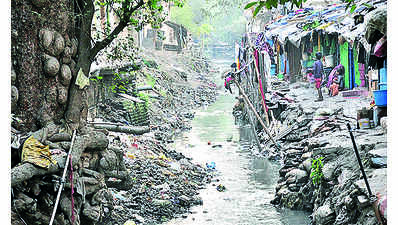
The PMC officials said the cleaning of nine big drains has started with the help of machineries and labourers.

Patna mayor Sita Sahu told TOI on Wednesday that desilting of small and medium drains, catch-pits and manholes, which requires manual work, would start from March 1. “We have set the target to complete the cleaning of drains in the pre-monsoon phase by May-end as the monsoon season is likely to begin from June-July. The total length of nine major drains is 33,662 metres and cleaning work through machines have already begun on these drains,” she said.
“Poclain machines (6), super-suction machines (2), JCB (75), tractors (29), haiwas (40), tipper silt (20) and skid- steer loader (6) have been pressed into cleaning work of drains. High-boom poclain machine, which is easier to dredge out the silt from drain will be hired for the cleaning task,” she said.
The municipal body has engaged 7,500 sanitation workers and labourers in drains cleaning while 25-30 extra workers will be hired for each ward to clean the city’s 14 mediums drains and 172 small ones, 40,373 manholes and 35656 catch-pits.
The urban development and housing department has also given instructions to all the municipal bodies to clean the main drains and small drains under the ‘Mission 100 days campaign’. The instruction was also given that the silt and waste should not be left near the drains after their cleaning.
“It should be ensured that as soon as the silt of the drain dries, it is properly transported to the dumping site. As far as possible, pipes should be used on the side of the road, so that there is no hindrance in vehicular movement. Ward-wise supervision of cleaning of drains should be done in the municipal bodies by the sanitary inspectors,” an official said.

About the Author
Faryal RumiEnd of Article
FOLLOW US ON SOCIAL MEDIA






Hot Picks
TOP TRENDING
Trending Stories
In City
Entire Website
- Breathtaking cosmic catwalk! SpaceX makes history with first-ever private spacewalk
- 2 Army officers thrashed, their female friend gang-raped in Madhya Pradesh
- Bangladesh announce Test squad for India tour
- Top fastest trains in the world: From China's CR Harmony to Germany's ICE
- Amid Shannon Sharpe Viral Video, Former ESPN Host Michelle Beadle Reacts Claiming It Was Not Her
- Ayushman Bharat insurance scheme expanded to cover elderly above 70
- 'Will be demolished if... ': Himachal minister's assurance amid Shimla mosque row
- Mumbai's Haji Ali and Mahim dargahs cancel Eid shamiana
- Garena Free Fire MAX redeem codes for September 11, 2024: Win free room cards, skins, diamonds, pet skins, and more rewards today
- GK for students: Top 8 Largest Mammals in the World
- In the (y)ear of conspiracy theories, Trump hears insults galore
- On Mamata's 'ready to resign' offer, protesting docs say 'want justice'
- Your cousin’s poo can now cure your chronic stomach problems
- Haryana polls: Rebellion erupts after Congress leaders file independent nominations
- 'Lady Macbeth of Bengal': CV Ananda Bose to 'socially boycott' Mamata Banerjee
- 2 dead, 20 police officials injured as Assam eviction drive turns violent
- Why are Bangladeshi Hindus in India for 50 yrs still not Indians?
- Planning to buy iPhone 16? How much Apple will give for iPhone 12 & others
- Putin invites 'great friend' PM Modi for talks on sidelines of BRICS summit
- Israel intel unit chief quits over Oct 7 failure, seeks 'forgiveness'

Popular Categories
Hot on the Web
Top Trends
Trending Topics
Alia BhattMalaika Arora Father DeathArbaaz KhanNatasa StankovicMr Bachchan OTT ReleaseNational Parks In IndiaSelena GomezGOAT CollectionVikas Sethi DeathMalayalam ProducersIndia's Best Dancer 4Simi GarewalDilli BabuIndian National ParksLaung BenefitsVikas SethiiPhone 16Microsoft 365 OutageMG Windsor EvWordle Answer
Living and entertainment
Latest News
Epilepsy medication shows promise of treating sleep apnoea symptoms: StudyIndia successfully flight tests surface-to-air missileDigest this: Unhealthy gut may be linked to Parkinson’s disease'Played a big role in turning the cricket around': Ricky Ponting applauds Virat Kohli’s brilliance as India’s former captainAadhaar card update: Do you have to compulsorily update details on your Aadhaar every 10 years?Single Indians are now choosing slow, meaningful dates over-elaborate outings, reveals an online dating platform’s surveyExclusive- Saurabh Gumber reveals joining a new show during Ganeshotsav says, "I consider it as Bappa's small gift and believe he has great plans for me ahead"Who was Illia 'Golem' Yefimchyk, the Belarusian bodybuilder who consumed 2.5 kg of meat and 108 sushi pieces daily before his death at 36?Pakistan: Bilawal cautions Shehbaz govt against political victimisation, points to Imran Khan's caseVijay Varma reveals he was DROPPED from 'Sacred Games' at the last minuteMahindra Thar Roxx with VIN 0001 to be auctiond for charity: How to registerVijay Sathya-starrer 'Dhil Raja' to release in SeptemberHarvard University Sees Drop in Black Freshman Enrollment Post-Supreme Court Ruling on Affirmative ActionCMF Buds Pro 2 by Nothing review: Big delivery on a budgetArbaaz Khan spotted outside Malaika Arora's house along with police after the tragic news of her father's demise by alleged suicide - WATCH VIDEOHarvey Weinstein charged with additional crimes during hearing on rape chargesMitchell Schwartz's Cryptic Tweet Stirs Debate About Mahomes' ContractSiddhant Chaturvedi reveals he rejected Ranbir Kapoor, Alia Bhatt and Amitabh Bachchan starrer Brahmastra after father’s advice: 'He asked me, ‘Tujhe kaun dekhega?''
Copyright © 2024 Bennett, Coleman & Co. Ltd. All rights reserved. For reprint rights: Times Syndication Service