
- News
- City News
- patna News
- National ranking to elude Patna University
Trending
This story is from October 13, 2016
National ranking to elude Patna University
To start with, it is proposed to provide an enabling regulatory architecture to 10 public and private institutions each to emerge as world class teaching and research institutions. They will be facilitated by giving autonomy on academic, administrative and financial matters.
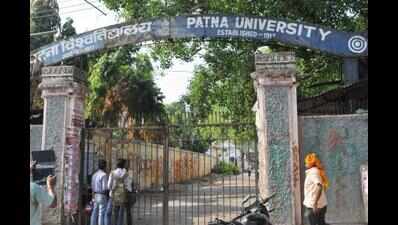
Patna University
For the second time in a row, PU has missed to apply for the National Institutional Ranking Framework (NIRF) launched by the union HRD ministry.

Much hue and cry was made by the academics last time when PU did not figure anywhere in the list of 100 best institutions of the country based on NIRF ranking. However, two much newer institutions of the state (IIT-Patna and Central University of South Bihar) had figured in the list.
The main objective of launching the NIRF is to have indigenous ranking for the institutions across the country. An institution is assessed on five broad parameters, including teaching and learning resources, research and professional practices, graduation outcome, outreach and inclusivity and perception.
PU has not even applied so far for its accreditation by the National Assessment and Accreditation Council (NAAC). Even though the UGC, the state government and the chancellor's secretariat have repeatedly been asking all the universities and colleges to get themselves accreditated if they want to avail the development grants, PU has always been looking the other way. However, two of its constituent units (Patna Women's College and
Magadh Mahila College) are being accredited regularly by the NAAC and getting all the development grants from the UGC as well as the state government.
On the other hand, the UGC has displayed on its website a policy document of the union HRD ministry on Establishment of World Class Institutions along with draft Guidelines and Regulations, 2016, inviting views and suggestions from academicians and stakeholders by October 28.
To start with, it is proposed to provide an enabling regulatory architecture to 10 public and private institutions each to emerge as world class teaching and research institutions. They will be facilitated by giving autonomy on academic, administrative and financial matters.
End of Article
FOLLOW US ON SOCIAL MEDIA










Photostories

Hot Picks
TOP TRENDING
Popular Categories
Hot on the Web
Top Trends
Hurricane MiltonRatan Tata NewsNew UPI Transaction LimitRatan Tata DiesPM ModiRafael NadalShantanu NaiduTom BradyStock Market TodayNarayana MurthyEngland Cricket Team New RecordRatan Tata Inspiring QuotesManagement Colleges of IndiaTop Medical Colleges of IndiaTop Engineering Colleges of IndiaTop Pharmacy Colleges of IndiaLive Cricket Score
Trending Topics
Diwali WishesBigg Boss Tamil 8 Contestants ListDussehra WishesVettaiyan Twitter ReviewSanjay Leela BhansaliVettaiyan ReviewSalman KhanDevara CollectionBigg Boss 18Deepika PadukoneShraddha KapoorRatan Tata Passed AwayColdplayVettaiyan Movie ReviewSwatantrya Veer SavarkarDussehra 2024Watch NFL Live StreamDress To ImpressRatan Tata DeathWordle Answer
Living and entertainment
Latest News
NIA charges 5 with human traffickingDisturbed sleep tops list of complaints received on mental health helplineTD Bank pleads guilty to money laundering violations, agrees to $3 billion penaltyRanveer Singh: I have a man crush on Tiger ShroffEthel Kennedy, widow of Senator Robert F Kennedy Sr suffers stroke in sleep, hospitalised'Stree 2' hits OTT after record-breaking box office success: Here’s where to watch!SP-Congress alliance for UP bypolls intact: Akhilesh YadavHours after arrest, 1 of 2 Surat rape accused dies in custodyDa Hood Codes October 2024: Unlock new weapons to elevate your gameplayTriple centurion Harry Brook happy to break Dad's club record'Thalapathy 69': Here's how much Vijay will be earning in his last film!Happy Dussehra 2024: Top 50 Wishes, Messages, and Quotes to Share with Your Loved OnesAnees Bazmee reveals Vidya Balan's first reaction after reading 'Bhool Bhulaiyaa 3' scriptHow The Tarot Suit Can Be Associated With The ElementsBigg Boss 18: Karan Veer Mehra's comment on Arfeen Khan converting his wife's religion sparks anger; Arfeen says, "Agar ye ghar mein nahi hota main iski band baja deta"'You're drunk': Britons stunned by BBC app's shocking 18,995 mph wind forecast!Arko: The reach of Bollywood is greater than single albumsExclusive- Iss Ishq Ka Rab Rakha fame Shalini Kapoor Sagar on celebrating Navratri festivities says, "We will be shooting the Durga Puja track soon"
Copyright © 2024 Bennett, Coleman & Co. Ltd. All rights reserved. For reprint rights: Times Syndication Service