
- News
- City News
- noida News
- Bad air: Smog returns to Delhi-NCR; CAQM rolls out 27-point GRAP Stage I action plan
Trending
Bad air: Smog returns to Delhi-NCR; CAQM rolls out 27-point GRAP Stage I action plan
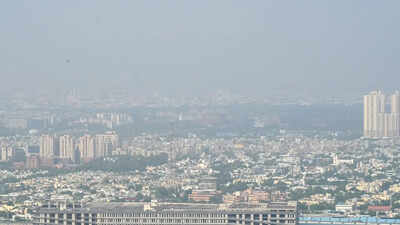
Delhi-NCR faces worsening air quality, prompting the Commission for Air Quality Management to implement Graded Response Action Plan Stage I. Poor AQI readings across Noida, Ghaziabad, and Greater Noida are attributed to construction dust, retreating monsoons, and reduced wind speeds. Authorities are enforcing measures like dust control and restricting certain construction activities.
You Can Also Check: Noida AQI | Weather in Noida | Gold Rate Today in Noida | Silver Rate Today in Noida
Uttar Pradesh Pollution Control Board (UPPCB) regional officer Ritesh Tiwari conceded that ongoing construction activities and dust from the nearby Pushta road near Amity University are aggravating pollution in the area. 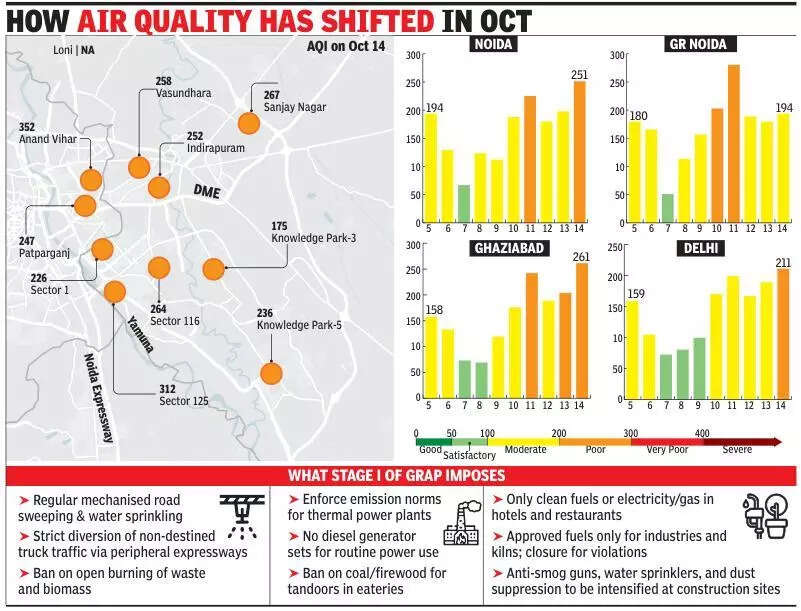

About the AuthorShafaque Alam
End of Article
Follow Us On Social Media
Hot Picks
Top Trending
Explore Every Corner
Across The Globe
Chris EvertMLB Trade RumorsJack RoslovicTravis KelceMilwaukee Bucks vs OKC ThunderSavannah JamesStefon DiggsRoger Federer vs Rafael Nadal Net WorthDonald TrumpBrittany MahomesCam NewtonElon MuskCarlos AlcarazLebron JamesTom BradyCJ Gardner JohnsonMatthew GoldenUS China TradeTop Stock RocommendationsAmazon LayoffsStock Market TodayAshley TellisDelhi Green FirecrackersChuck LiddellAyesha CurryDonald TrumpCJ Gardner JohnsonThe RockWho is Ashley TellisGold Price Prediction
Hot on the Web
Artery Plaque PreventionKidney Detox FoodsLiver HealthFatty Liver DiseaseMoringa For Hair GrowthLemon Water BenefitsD'Angelo Death NewsKaty PerryAkshay KumarColon Cancer SymptomsCalcium Deficiency SymptomsLiver CancerBlood Sugar ControlKaun Banega Crorepati 17Rise And FallDe De Pyaar De 2 TrailerHimesh ReshammiyaIndian RailwaysShah Rukh KhanHair Growth OilT RajenderInternational DestinationsUdaipur LakeWalking Health BenefitsBigg Boss 19Kantara Box Office CollectionSunny Sanskari Ki Tulsi Kumari CollectionAlec BaldwinIdli Kadai Box Office CollectionOG Box Office CollectionElephant Safari National ParkBrass Vs Copper UtensilsSkincare TipsBest Time To Drink Coconut WaterNight Drinks That Boost MetabolismInterstellar Comet 3I/ATLASRoasted Chana For DiabetesWeight LossInfluencer Junior DutraDiwali AI Photo PromptsFatty Liver Drink
Trending Topics
Virat KohliYashasvi JaiswalAjinkya RahaneR AshwinMohammed ShamiWho is Zach YadegariBSSC 2nd Inter Lever RecruitmentAmazon LayoffsCBSE CTET DecemberWorld Cup QualifierAfghanistan Cricket TeamPGCIL Admit CardIND vs Pak Hockey MatchRUHS Result 2025Easton CowanErin AndrewsSavannah JamesDelhi NCR PollutionJerome PowellHaryana SuicideJaisalmer Bus FireHaryana Police Officer SuicideEknath ShindeBengaluru Traffic JamDurgapur RapeKerala Techie DeathRahul GandhiDelhi Green FirecrackersDelhi AQIMaithili ThakurBihar Election DateAbel ArizaUkrainian Influencer DeadElon MuskZoho Founder Sridhar VembuDonald TrumpNyt ConnectionsWordle TodayAshwini VaishnawJoe TsaiH-1B Success JourneyNSE Faces Cyberattacks
Popular Categories
HeadlinesSports NewsBusiness NewsIndia NewsWorld NewsBollywood NewsHealth+ TipsIndian TV ShowsTechnologyTravelEtimesHealth & FitnessDelhi Gold Rate TodayNumerology Number 1 HoroscopeChinese Horoscope PredictionsAstrologyWeather TodayPlatinum Rate TodaySilver Rate TodayGold Rate TodayIs Bank open todayIs Bank Open TomorrowBank Holidays in SeptemberPublic Holidays in SeptemberStock Market HolidaysNFL ScheduleTechnology NewsInternational SportsPublic HolidaysBank Holidays
Trending Videos
Israel Cuts Aid To Gaza, Halts Reopening Of Rafah Crossing As Hamas Fails To Return All HostagesGlobal Economy Resilient Despite Trump Tariff Shock but Outlook Looks ‘Dim’: IMFKaty Perry Confirms Justin Trudeau Romance? ‘48 Hours Ago’ Comment Stuns FansIran Blasts ‘Hypocrite’ Trump; Says He Can’t Be ‘President Of War & Peace’ At Same Time'BRICS Was Attack On US Dollar': Donald Trump Blasts India, China, Russia Amid Tariffs. Here's Why‘The Shining Star Of Our Family Has Dimmed’: D’Angelo Remembered By Family & FansUS Turns to India to Curb China’s Rare Earth Grip, Global Alliance to Counter Beijing’s MovesMassive crowd for Virat Kohli, Rohit Sharma at Delhi airport as Team India leave for AustraliaUkraine’s NEW Region Wants To Join Russia? ‘Anxious’ Zelensky Imposes Emergency | WatchPakistan-Afghanistan Clashes: Heavy Fighting Along Khyber Pakhtunkhwa Border, Taliban Posts DamagedRepublican Women Revolt: Greene, Boebert, Mace Take On ‘Weak Men’ In GOP LeadershipJaisalmer Bus Fire: 20 Killed, 15 Injured After Jodhpur-Bound Bus Catches Fire on Rajasthan HighwayErika Breaks Down Thanking Trump For Charlie Kirk’s Posthumous HonourBig EMBARRASSMENT! Kristi Noem’s Govt Shutdown Video BANNED By Several US AirportsTrump Threatens Spain with NATO Expulsion and Tariffs Over Defence Spending Defiance | WatchA Storm Of Emotion: Erika Kirk Lifts The Veil On Charlie’s ‘Big Secret’ | WatchUS Attacks 5th Narco Vessel Off Venezuela’s Coast; Maduro Fumes, Takes Big Pledge‘BRICS Attack On Dollar’: Trump Loses Cool At Putin’s Allies Over De-dollarisation Bid | Watch
Latest News
Indian-origin US adviser Ashley Tellis arrested: Why he’s under scrutiny; what FBI found at his home‘I ran 5 km every day, and still got 2 stents. Here’s what it taught me’IIM Lucknow summer placement 2025 records domestic stipend of Rs 3.95 lakh per month: Why this matters for future managersGlobal auto giant Stellantis to set up EV manufacturing and export hub in Abu DhabiSri Lankan PM Harini Amarasuriya is an alumna of Hindu College: Here is what she studiedRajvir Jawanda's antim ardaas: Late Punjabi singer's prayer meet scheduled for October 17'People said my kids won’t respect me': Deepshika Nagpal recalls her infamous nude scene in Shah Rukh Khan's KoylaPriya Sachdev drops emotional post for Sunjay Kapur on his birth anniversary amidst legal battle with Karisma Kapoor's chilren'Pappan is back': Jayasurya returns as Shaji pappan after eight years; 'Aadu 3' shoot beginsAkshay Kumar’s ‘Jolly LLB 3’ sees over 60 % jump on 4th TuesdayD'Angelo's family: All about R&B icon's three children'Called anti-Sanatan': Gwalior top cop Hina Khan chants 'Jai Shri Ram' amid confrontation with lawyersWhen Vicky Kaushal and Anurag Kashyap trolled Taapsee Pannu’s throwback pic; Actress replied, ' I am a very fair player'Gold rush: Why are Gold prices at an all time high? Factors affecting the exponential riseBigg Boss Tamil 9: Contestants VJ Pavathy and FJ engage in a dirty fight during BB Mask taskLadakh protest: SC allows Wangchuk to share notes with wife; next hearing on Oct 29Disney is changing its DEI policy; starting this week employees can ...Scaling Insurtech for a Changing India
Copyright © 2025 Bennett, Coleman & Co. Ltd. All rights reserved. For reprint rights: Times Syndication Service