
- News
- City News
- mumbai News
- Worli’s Formula 4 racer to represent India at women’s championship
Trending
Worli’s Formula 4 racer to represent India at women’s championship
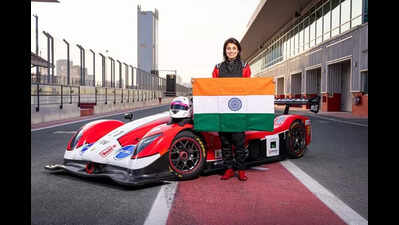
Bedridden for months, she watched races she once dreamt of joining from her medical bed. "Speed pulled me back to it," says Kelkar, who is now one of 38 women from 26 countries to make it to the finals of the inaugural Formula Women Nations Cup. "I was racing for myself before. Now, I race for India," she adds, a testament to her enduring determination.
The tournament, set to take place in May 2025, aims to enhance female participation in motorsports. Among her rivals are mechanics, engineers, and others who have been racing since they were six. "I discovered racing much later in life by chance," she admits.
As a child, seated on her father's lap in his Fiat, Kelkar would grip the steering wheel, feeling invincible. "The realisation that one small movement of your hand can control this massive machine—that sense of power was surreal," she reflects. Her father, scriptwriter Ram Kelkar of *Khalnayak* fame, and her mother, Jeevankala, a former Bollywood actress, both influenced her love for the wheel. "I really wanted to be a fighter pilot," she says, but when she passed her HSC exams, she was told the dream wasn't open to women.
Kelkar was one of six women selected from 900 across India for national-level championship training. Although she participated in races, acting initially took precedence. "Motorsport wasn't seen as a profession in India at the time," she recalls. But after her 2018 accident, doctors warned her against returning to the track.
When she eventually did, her driving skills were "pathetic." "My jaw would lock when I drove," she explains. Through muscle and endurance training, she regained her form, but it was the race track that truly helped her find her rhythm again.
Kelkar also battled post-traumatic stress disorder, seeking help from numerous doctors. Yet, it was yoga, meditation, and observing a fellow driver shift gears "like a romantic song" that taught her to value calmness in racing. "Aggression needs direction," she believes.
Her calm came in handy during the qualifiers at the Dubai Aerodrome on December 12, 2024, when 50 drivers from 26 nations competed for a spot in the FW Nations Cup. When a car spun dangerously in front of her, she kept her composure. Jorden Dolischka from Austria dominated the day, earning the top spot in all three sessions, while shifting track conditions made the competition tough.
As one of the 38 finalists, Kelkar is preparing for intense training in the UK and Sweden ahead of the May 1-4 race. With temperatures predicted to hit 40°C, she knows the heat and the fireproof suit will make things challenging. "Once the helmet is on, your gender becomes irrelevant. Only your skill matters," she says. "When my car moves, I fly."
Many girls reach out to her on Instagram, asking if they should pursue circuit racing or rallies. "Girls are often hesitant to ask, but I always say: ask," she encourages. Acknowledging the high costs of speed car racing, she adds, "Sponsors will back you once you prove yourself." Despite the male-dominated sport, she believes racing can be especially rewarding for women. However, she hopes the sanitation and hygiene levels at India's racetracks improve. "We still don't have proper changing rooms. We have to change in makeshift ones," she notes.
End of Article
FOLLOW US ON SOCIAL MEDIA




Photostories

Hot Picks
TOP TRENDING
Explore Every Corner
Across The Globe
MLB RumorsJasprit BumrahFox Reporter Interview with Jalen HurtsKendrick LamarLebron JamesAlex BregmanElon MuskGracie HuntPatrick Mahomes Voodoo Doll VideoFox Sports Reporter Erin AndrewsLos Angeles LakersJasprit BumrahTaylor Swift Engagement RingDonald Trump Jr.JEE Main Result 2025Trump Pauses Anti Bribery LawBlake Lively FriendshipLuka DoncicAnne HathawayAaron RodgersBob NightengaleAirshow BengaluruHarry BolzDonald TrumpBrittany MahomesMagic JohnsonLuka DoncicChampions Trophy ScheduleTravis Kelce Ex GirlfriendJEE Main 2025 Result
Living and Entertainment
Hot on the Web
Ranveer AllahbadiaSamantha Ruth PrabhuHug Day WishesHug Day MessagesGuru Ravidas Jayanti WishesMagnesium Deficiency SymptomsRoadies XXOptical IllusionSanam Teri Kasam CollectionVitamin DAmitabh BachchanSaif Ali KhanLate Sleepers StudyTaylor SwiftB PraakPriyanka ChopraRanveer Allahbadia Educational QualificationValentine Week DaysValentine Week List 2025Valentine Week Style GuideLeftover Rice DishesBaby Girl NamesHigh Protein Lobia LunchSea AnimalsWorld Oldest PerfumesOranges BenefitsFruits for SkinBanana BenefitsSelf Improvement TipsFamous Indian Railway Stations Foods
Trending Topics
NBA All Star WeekendLuka DoncicScottie BarnesKayla NicoleJoel EmbiidToronto Raptors vs Philadelphia 76ers Game PreviewMemphis Grizzlies vs Phoenix SunsJEE Main Result 2025Tyler MatzekLos Angeles Lakers DebutLane JohnsonAJ Lees Early RetirementCody Rhodes vs John CenaTyrese HaliburtonDetroit Pistons vs Chicago Bulls Game PreviewJA MorantKenley JansenUtah Jazz vs Los Angeles LakersJimmy ButlerWhite Sox Manager Chris GetzSuper Bowl Winner White House VisitKarl AnthonySaquon BarkleyDwyane WadeDewanna BonnerDelhi CM CandidateJEE Main 2025 Session 1 ResultsGTA 6Maruti Suzuki CelerioRanveer Allahbadia
Popular Categories
HeadlinesSports NewsBusiness NewsIndia NewsWorld NewsBollywood NewsHealth+ TipsIndian TV ShowsCelebrity PhotosTechnologyICC Champions TrophyIPLTravelEtimesHealth & FitnessK POPHollywood NewsWeb SeriesVideosWWEUS NewsNFLBoard Exam ResultsCBSETechnology NewsInternational SportsMobile & Tabs NewsAstrologyTOISAMedithon
Latest News
Kendrick Lamar’s halftime show becomes the most-watched Super Bowl performance, dethroning Michael Jackson's long standing viewership recordSebi bans 5 entities over Fema violations'His whole life is from position of insecurity': Sam Altman's jibe at Elon Musk after Open AI takeover offerRBI rescue? Rupee rises 71 paise in a day to 86.76 vs $Chhaava advance booking Day 1: Vicky Kaushal starrer heading for Rs 10-crore opening; to surpass 'Uri: The Surgical Strike'SP Balasubrahmanyam Road: Chennai street officially renamed in honor of the legendary singer'Badass Ravikumar’ box office collection day 5: Himesh Reshammiya’s action parody inches towards the Rs.10 crore mark in its first weekUnnatural sex by husband with wife without her consent not offence: Chhattisgarh HCChampions Trophy: Mitchell Starc out, Steve Smith to lead AustraliaBleep Off! Christina Haack, Tarek, and Heather El Moussa can't stop dropping F-bombs on The Flip-OffIndia's Got Latent controversy: 'Cool abroad but not in Indian culture'“I'm very disappointed”: Former Panthers WR Steve Smith Sr. criticized Cam Newton's comments, who called the team “losers”Jasprit Bumrah out of Champions Trophy as team management takes no chancesSmall is big for startups amid funding woesAmy Poehler watches her drunken SNL impersonation of Jenna Bush Hager together with the Today co-host: 'I'm Sweating'New congressional task force believes two shooters were involved in JFK assassinationHappy Hug Day 2025: Top 50 Wishes, Messages and Quotes for your special someoneTough to mobilise workers for large projects: L&T chief
Copyright © 2025 Bennett, Coleman & Co. Ltd. All rights reserved. For reprint rights: Times Syndication Service